Altenar explains How Costly and Complex Is a Blockchain-Based Loyalty Program
Monday 18 de May 2026 / 12:00
⏱ 3 min read
(Douglas).- Blockchain loyalty programs are transforming iGaming rewards by replacing traditional points with digital tokens stored on blockchain networks. While these systems offer greater transparency, portability, and appeal to crypto-native players, they also introduce significant technical, regulatory, and operational challenges that operators must carefully evaluate before implementation.
Blockchain Loyalty Programs in iGaming
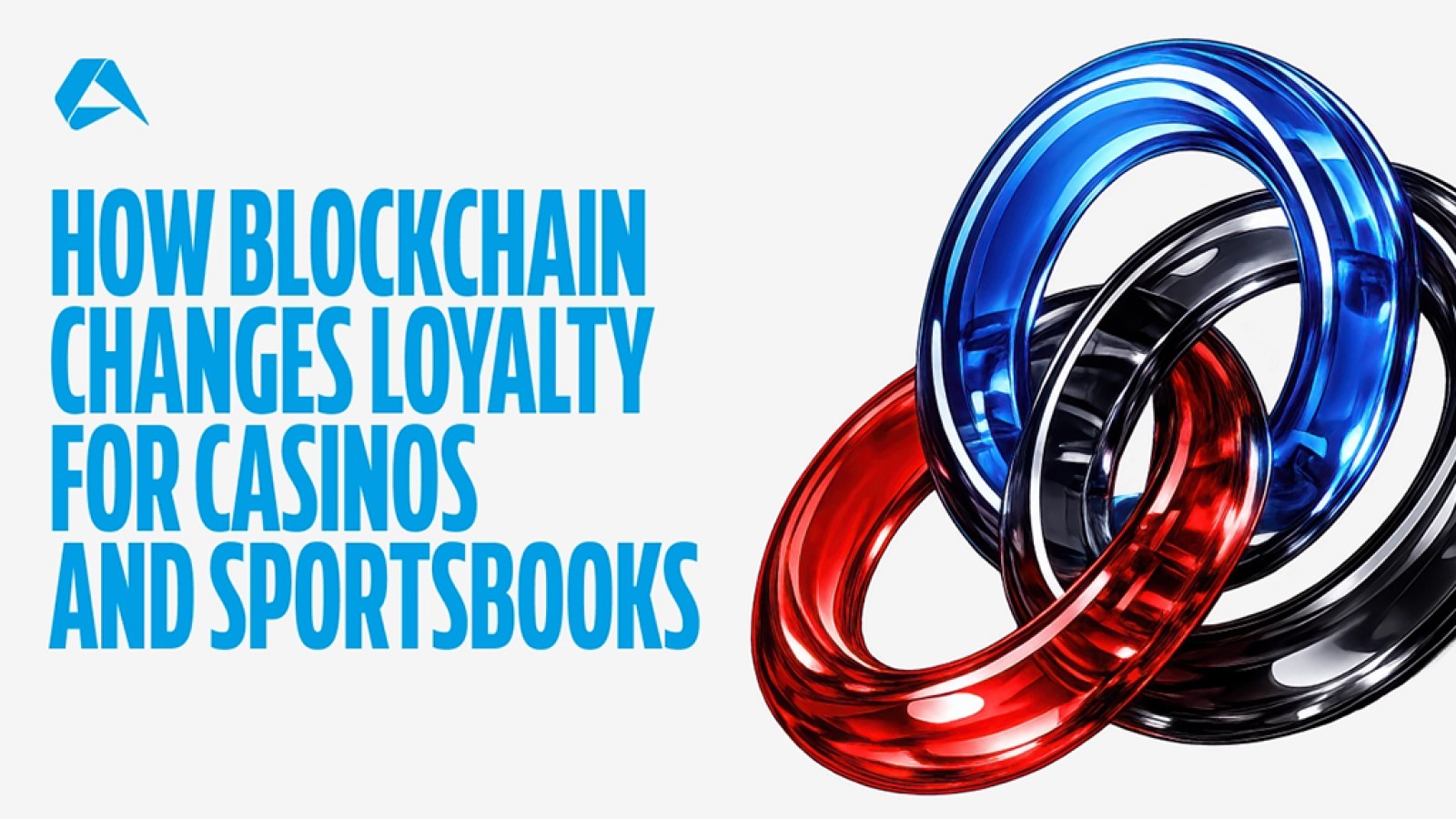
Blockchain-based loyalty programs replace traditional reward points with digital tokens stored on a blockchain. Instead of rewards existing only in an operator’s database, players receive tokens that can potentially move across brands, platforms, and products. This creates a stronger sense of ownership and appeals especially to crypto-native users who value transparency and innovation.
Implementing this type of loyalty system is far more complex than adding a standard marketing feature. Operators must build infrastructure that includes wallets, smart contracts, transaction monitoring, and secure connections between verified player accounts and anonymous blockchain wallets. As a result, loyalty becomes part of the platform’s core financial and operational structure.
Another challenge is the player experience. Many users are unfamiliar with wallets, private keys, and blockchain transactions. Token transfers may involve delays or network fees, which can make rewards feel less smooth compared to traditional systems. In addition, blockchain records are permanent, meaning errors or bugs cannot easily be reversed and require extensive testing and security audits before launch.
Costs, Risks, and Business Challenges
The cost of developing a blockchain loyalty program is significantly higher than upgrading a traditional CRM or bonus system. Initial development usually includes token creation, wallet integration, player interfaces, monitoring tools, testing, and compliance preparation. Typical launch costs for a mid-sized iGaming operator range between €300,000 and €800,000, while yearly maintenance and operational expenses can exceed €100,000.
Beyond technical expenses, operators also face legal and regulatory challenges. Transferable tokens may be treated as financial assets in some jurisdictions, triggering additional compliance, licensing, and AML obligations. Data privacy also becomes more complicated because blockchain systems are immutable, making it difficult to fully comply with player data deletion requests.
Despite these difficulties, blockchain loyalty programs offer several advantages. They increase transparency, strengthen player engagement through perceived ownership, and help brands position themselves as innovative. However, they also introduce ongoing operational burdens, customer-support challenges, and adoption barriers for mainstream players who may find blockchain technology confusing or unnecessary.
The Bottom Line
In summary, a blockchain-based loyalty program is not a simple upgrade to an existing rewards scheme. At its core, it changes how loyalty value is created, stored, governed, and supported across the business. The appeal is easy to understand. Tokens offer the promise of portability, transparency, and a sense of ownership that traditional points programs lack. For some operators, especially those building multi-brand businesses or serving crypto-native audiences, that can translate into real strategic value.
But the costs, operational demands, and regulatory exposure are just as real. These systems require long-term investment, significant coordination, and a tolerance for uncertainty that not every business is structured to absorb. For this reason, traditional loyalty tools will continue to deliver more substantial returns with far less risk for most operators.
Blockchain loyalty, therefore, is not a universal step forward for all iGaming operators. It is a specialised tool, suited to specific commercial situations.
To explore how player engagement, loyalty, and reward systems can evolve alongside your core platform, book a personalised demonstration of Altenar’s sportsbook and iGaming technology and discuss what makes sense for your operation.
Categoría:Analysis
Tags: Altenar,
País: Isle of Man
Región: EMEA



Event

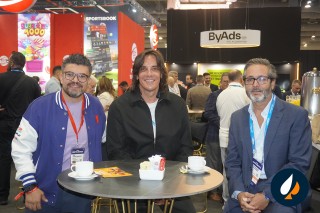
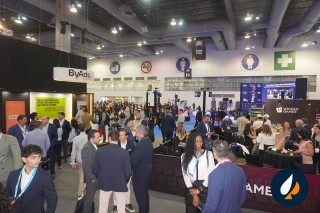


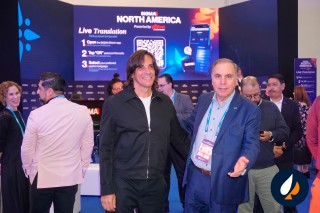

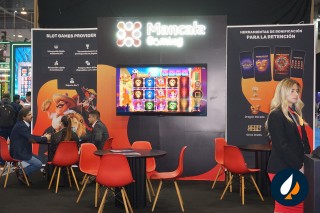
SiGMA North America 2026
01 de September 2026
LatAm Regulators Discussed Illegal Gambling and Innovation at SiGMA North America
(Mexico City, SoloAzar Exclusive).- The panel "The Red Pen Forum: Regulators Respond to the Industry," held during SiGMA North America 2026, brought together representatives from Uruguay, Argentina, Puerto Rico, and Honduras to analyze regulatory challenges, digital transformation, illegal gambling, and the need to adapt lotteries for new generations. The conference was moderated by Rodrigo Cigliutti, Executive Director of CIBELAE (Ibero-American Corporation of State Lotteries and Betting), and featured the participation of Marcelo Visconti, National Director of Lotteries and Quinielas of Uruguay; Carlos Moyano, President of IAFAS Entre Ríos, Argentina; Heidi Hernández Olivo, Deputy Secretary of the Puerto Rico Lottery; and Lissa Mencía, General Director of Lottery Operations and Games at Loto Honduras.
Monday 28 Sep 2026 / 12:00
SiGMA North America Addressed Crisis Management in iGaming
(Mexico, SoloAzar Exclusive).- During SiGMA North America 2026, Rosa Ochoa, founder of the Blue Global Gaming platform and strategic advisor for gaming operators; Iliana María Pineda Echeverri, Chief Legal & Compliance Officer at Wplay.co; Iraid Rosales, Country Manager Mexico at Amusnet; and Elizabeth Maya Cano, Executive President of CORNAZAR, analyzed the key factors in managing crisis situations within the iGaming industry, with a special focus on transparency, communication, technology, and preparation.
Friday 25 Sep 2026 / 12:00
Affiliates and Acquisition: Keys to Regulated Markets in North America
(Mexico City, SoloAzar Exclusive).- During SiGMA North America 2026, Cristopher Guzmán Reyes, Head of Affiliates at Logrand Entertainment Group; Guga Júnior, influencer and slots expert at Scalar Partners; Andrés Gómez, Head of Latin America Go-to-Market Strategy at Admattic; Yambot Aguilera, Gaming and Finance Sales Director at Google; and Paula Gabriel Jiménez, Advertising Client Growth Director for Microsoft at Aleph, analyzed the state and provincial affiliate ecosystem in North America, as well as the acquisition challenges in regulated markets.
Thursday 24 Sep 2026 / 12:00
SUSCRIBIRSE
Para suscribirse a nuestro newsletter, complete sus datos
Reciba todo el contenido más reciente en su correo electrónico varias veces al mes.