Fernando Calderón: "When Formality Is Strengthened, Peru Wins"
Monday 13 de July 2026 / 12:00
⏱ 3 min read
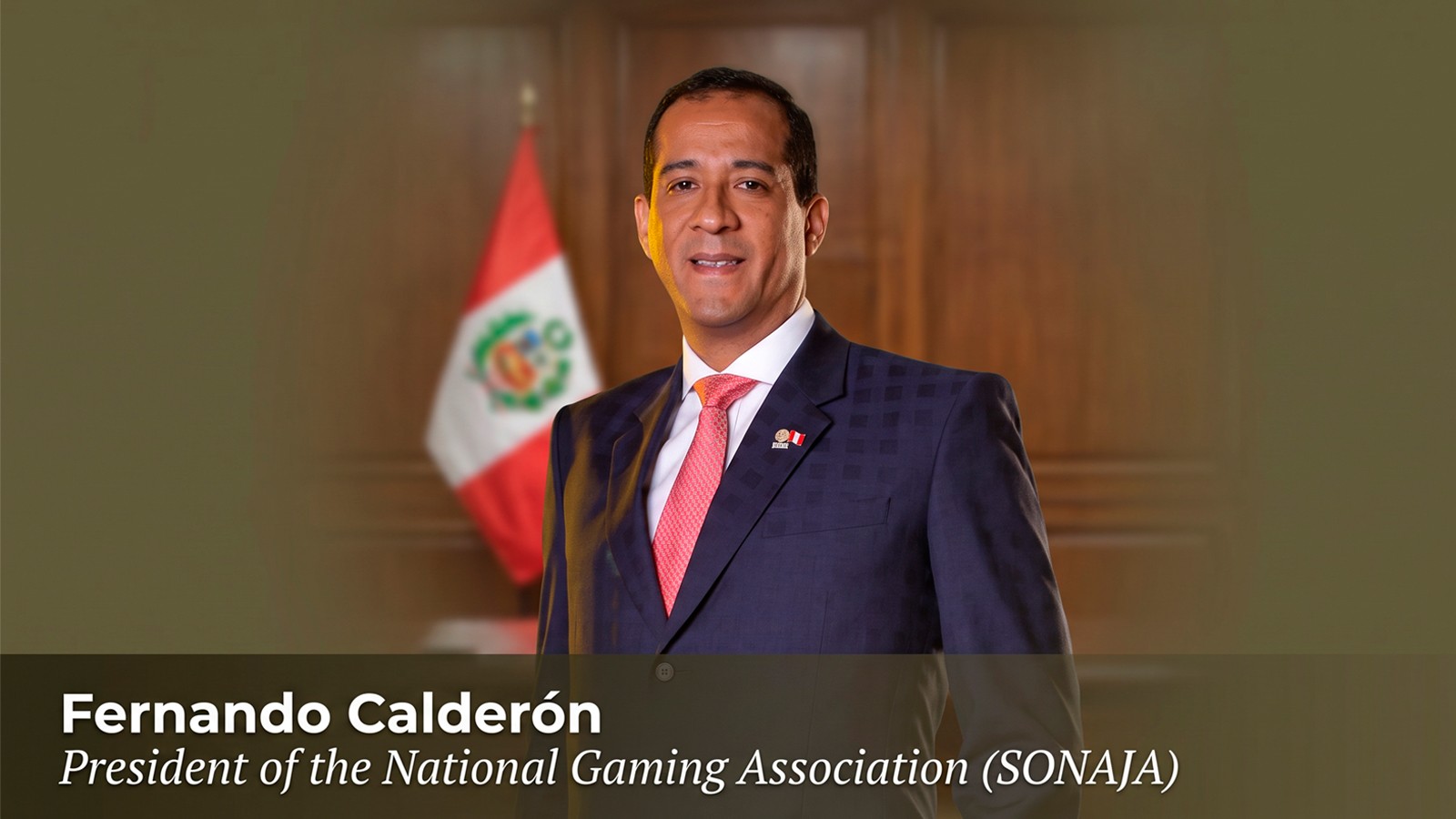
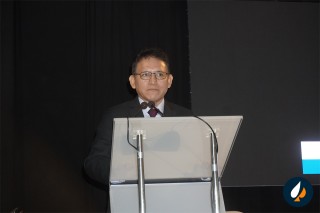
(Lima).- The President of the National Gaming Association (SONAJA), Fernando Calderón, shares an analytical opinion piece on the importance of regulation, highlighting the role of responsible gaming, the economic impact of the formal industry against clandestine operations, and the need for fair tax policies.
Responsible Gaming: Formality, Employment, and Development for Peru
In Peru, few formal economic activities still carry as many prejudices as the gaming and sports betting industry. Its risks are frequently discussed, but not always with the same emphasis on its regulation, its capacity to generate employment, its tax contribution, or the controls it complies with to operate within the law.
From the National Gaming Society, we believe the country needs to look at this sector with more evidence and less stigma. Formality should not be understood merely as an administrative condition, but as a guarantee for the user, the State, and society. In a region where many economies still face high levels of informality, Peru has made progress in building a regulatory framework that allows a clear distinction between those who comply with the law and those who operate outside of it.
This point is central. A formal operator invests, pays taxes, generates direct and indirect jobs, complies with labor obligations, submits to permanent oversight, and applies prevention protocols. An illegal operator, on the other hand, does not protect the consumer, does not contribute to the country, and weakens trust in an activity that, when well-regulated, should be understood as adult, safe, and responsible entertainment.
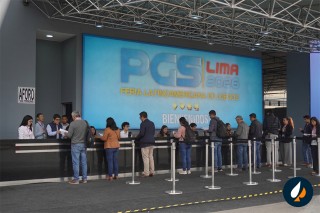
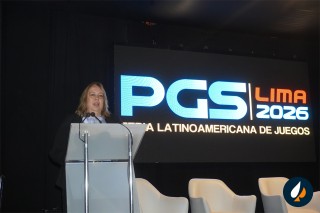
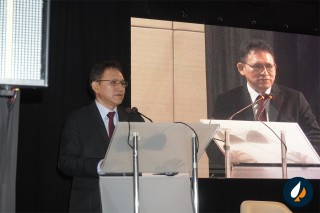
The Peru Gaming Show 2026 brought a necessary conversation to the table: responsible gaming cannot be a decorative message or a campaign slogan. It must be part of the industry's culture. Betting or participating in gaming activities must always be understood as entertainment—never as a source of income, an economic way out, or a method to recover losses.
Our sector does not deny that risks exist. It would be irresponsible to do so. However, it would also be unfair to ignore that the country has concrete tools to prevent them. Mincetur's Gambling Addiction Registry (Registro de Ludopatía), with more than four thousand people registered nationwide, demonstrates that an official protection mechanism exists for those who decide to self-exclude or require a family safeguard measure. This tool allows formal operators to block access or participation for individuals who have requested such protection.
Prevention, however, does not depend solely on a regulation. It requires ongoing training, technology, clear communication, and staff prepared to act with empathy. Operators must identify red flags, properly guide the user, and promote time and budget limits. They must also reinforce the protection of minors from within the household—through the supervision of parents and adults—and from the industry's side via identity verification, document review, and strict access protocols, both in physical venues and on digital platforms.
In the online environment, this challenge is even more critical. Regulated platforms must rely on technological tools to verify users, activate limits, suspend sessions, and detect risk patterns. That is precisely the difference between a formal industry and a clandestine offering: formality leaves traceability, demands responsibility, and allows for oversight.
But beyond regulation, this industry generates economic and social value. Behind every authorized venue, regulated platform, or supplier company, there are workers, families, technological investment, related services, security, entertainment, tourism, and commercial activity. Talking about gaming in Peru is also talking about formal employment and opportunities for thousands of people who are part of a broader productive chain.
The risk with the State is that, despite the benefits generated in this sector, tax regulations that are disproportionate and non-technical—such as the Selective Consumption Tax (Impuesto Selectivo al Consumo)—are not properly analyzed. This directly threatens the formal and regulated industry, running the risk of driving informality. Listening to operators authorized by the State itself, analyzing the impact of an ill-designed tax scheme, and enacting efficient, constitutional regulations is also Responsible Gaming.
The challenge moving forward is to continue raising standards. Responsible gaming is, ultimately, an expression of sectoral maturity. An industry that recognizes its risks, manages them seriously, and contributes consequently to the country's development deserves to be evaluated with balance. When formality is strengthened, it is not just a sector that wins: Peru wins.
Categoría:Analysis
Tags: Sin tags
País: Peru
Región: South America




Event
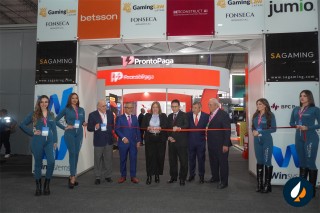
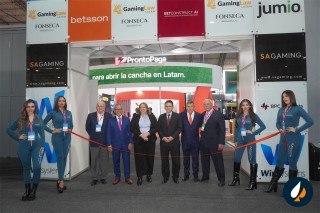
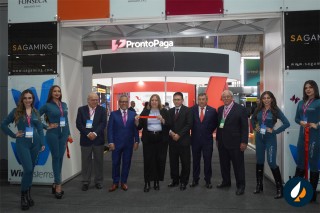
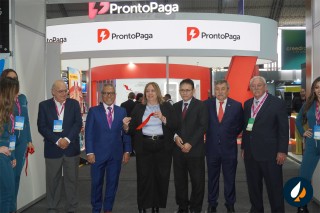

PERU GAMING SHOW – PGS 2026
17 de June 2026
ProntoPaga Consolidates Its Position at Peru Gaming Show 2026
(Lima, SoloAzar Exclusive).- Juan Carlos Loza, Head of Sales Latam at ProntoPaga, spoke exclusively after the company's participation in Peru Gaming Show 2026, highlighting the agreements reached, the interest in their payment solutions, and the expansion plans that will drive their growth across Latin America.
Monday 03 Aug 2026 / 12:00
Enhancing Responsible Gaming Through Effective Training at PGS 2026
(Lima, SoloAzar Exclusive) – Training, prevention, and technology took center stage at the "Value of Responsible Gaming in Gambling Operations" conference during the 2026 Perú Gaming Show (PGS). Presented by Fernando Calderón Castro, President of the National Gaming Society (SONAJA), the session brought industry leaders together to tackle current challenges and explore strategies for safer, more transparent, and sustainable operations.
Wednesday 22 Jul 2026 / 12:00
LSports at the Peru Gaming Show: Building Presence, Opening Doors
(Lima, SoloAzar Exclusive).- The Peru Gaming Show was never just about the booth. For LSports, it was about showing up in a market where showing up still matters — and leaving with more than a contact list. Federico Brancato, Sales Manager for the LATAM Region, came to Lima with a clear sense of what operators in this part of Latin America need most right now. What he found confirmed it.
Friday 17 Jul 2026 / 12:00
SUSCRIBIRSE
Para suscribirse a nuestro newsletter, complete sus datos
Reciba todo el contenido más reciente en su correo electrónico varias veces al mes.