One Event, Different Behaviors: Regional Betting Patterns in 2026
Friday 15 de May 2026 / 12:00
⏱ 5 min read
(Cyprus).- Ahead of World Football Forum 2026, the betting industry is preparing for a truly global wave of attention. Yet global reach does not produce uniform user behavior: the same match, odds format, or campaign can trigger very different decisions depending on the cultural context in which the user operates.

That is why the Biggest Football Event of 2026 is not only a traffic opportunity but also a market test. It highlights a basic industry truth: betting is not shaped by odds alone, but by local patterns of trust, risk perception, digital habits, and the social meaning of sport.
Let’s take a closer look at why culture matters in betting and how it shapes regional trends.
Risk, trust and the cultural lens
Users do not approach betting platforms as neutral decision-makers. They bring with them cultural attitudes that affect how they evaluate uncertainty, how much they trust digital services, and whether they see betting as a private utility, a social activity, or an emotional extension of fandom.
Research on sports betting across jurisdictions shows that cultural differences remain an important lens for understanding behavior, especially when comparing collectivist and individualist settings or markets with different levels of normalization and regulation. In practice, this means product teams and affiliate marketers cannot assume that one global interface or one universal message will resonate everywhere.
Decision styles
Across markets, several broad behavioral patterns appear again and again. Some users are low-risk and methodical, preferring smaller, more calculated choices; others chase higher odds, react emotionally, or place bets as part of live entertainment rather than structured analysis.
These differences become even more visible during major football tournaments. Large events expand the audience with casual and first-time users, but their actions are still filtered through local habits: some rely on data and expert previews, while others respond more strongly to patriotism, momentum, community signals, or favorite-team loyalty.
Next, we will examine specific regions and their betting behavior, using concrete examples.
Europe: mature, regulated, and data-aware
Europe remains one of the most mature and regulated betting environments, with strong licensing frameworks, high operator competition, and a heavy emphasis on compliance, transparency, and consumer protection. European regulation also places visible weight on fairness, and responsible data practices, which reinforces the importance of platform credibility.
In this context, users often behave in a more analytical and comparison-driven way. They are more likely to value clear interfaces, stable reputations, transparent terms, and data-rich experiences, which helps explain sustained demand for live statistics, pre-match research, long-term markets, and expert analysis around major tournaments.
Asia: mobile-first, fast, and community-driven
Asia is widely described as a mobile-first betting environment, shaped by high digital adoption, fast interface expectations, and strong demand for real-time engagement. At the same time, the region is highly fragmented, and legal restrictions in many countries mean that access conditions and user journeys differ sharply from one market to another.
This combination encourages short sessions, fast in-play decisions, and strong responsiveness to live moments. In many Asian markets, users expect immediate updates, localized payments, and flexible mobile experiences, while trust is often reinforced through familiar ecosystems, peer influence, and community-led recommendations rather than formal brand messaging alone. At the same time, trust in established brands remains a key factor in driving user confidence and retention.
Latin America: passion, emotion, and fan-first behavior
Latin America is one of the fastest-evolving betting regions, and football carries unusually strong emotional weight across the market. Industry sources consistently describe the region as highly engaged, mobile-oriented, and diverse, with betting behavior that can vary by country but is often closely tied to identity, entertainment, and fan culture.
As a result, decision-making here tends to be more emotionally charged during major tournaments. Live betting has grown quickly, and users often respond well to content that feels energetic, local, and personality-driven, including influencer communication, entertaining formats, and offers connected to match drama rather than purely statistical framing.
Africa: mobile-driven, multi-channel, and pragmatic
Across much of Africa, mobile is the main access point, but the betting journey is still more hybrid than in many other regions. Industry reporting highlights the continued importance of SMS for confirmations and trust, as well as the social role of betting shops as both transaction points and community spaces.
That environment shapes a pragmatic user profile. Betting activity is often built around convenience, speed, familiar channels, and small but frequent stakes, while in-play engagement is reinforced by mobile usage and real-time match discussion. Trust tends to be grounded in local relevance, known brands, and communication that feels direct and useful rather than overly polished or abstract. At the same time, user loyalty to specific operators remains relatively low, meaning that the most competitive odds and tangible offers often become the decisive factor, requiring platforms to maintain continuous engagement through promotions and interactive campaigns.
Product implications: one brand, different experiences
For product teams, the central lesson is clear: the same sportsbook cannot perform equally well in every market without adaptation. Successful platforms localize not just language, but also navigation logic, risk presentation, payment methods, bonus framing, content hierarchy, and even the pace of the user journey.
The regional patterns above suggest different priorities. In Europe, a stronger analytics layer and visible trust signals can improve relevance; in Asia, speed, mobile UX, and live functionality matter more; in Latin America, emotional storytelling and real-time engagement are especially effective; and in Africa, lightweight mobile flows, practical messaging, and channel flexibility are critical.
Affiliate adaptation
These differences also reshape affiliate strategy. A campaign built for a compliance-oriented, comparison-driven European user will not necessarily convert in a market where community trust, local influencers, or low-friction mobile behavior play a larger role.
That is why affiliate ecosystems increasingly move toward localization at the creative, operational, and payment level. For 1xPartners, localization goes far beyond translation. The program offers adapted creatives for regional audiences, supports the integration of relevant local payment solutions, and provides partners with the tools needed to scale more effectively in each market.
Global events, local behaviors
Global football events unite attention, but they do not standardize behavior. As the Biggest Football Event of 2026 approaches, the most important competitive advantage may not be scale alone, but the ability to interpret how culture shapes risk, trust, interaction, and conversion in each local market.
For operators, affiliates, and product teams, the future belongs to flexible platforms that think globally but execute locally. The closer the industry gets to the Biggest Football Event, the more visible this principle becomes: audience size may be global, but betting behavior remains deeply regional.
Categoría:Analysis
Tags: 1XBet,
País: Cyprus
Región: EMEA




Event

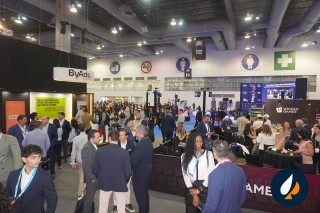

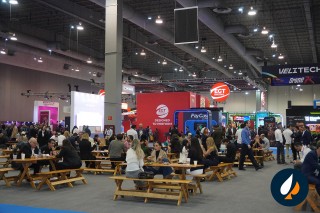
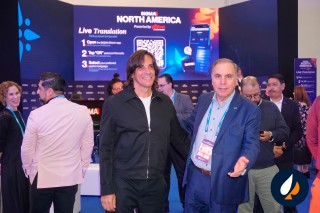

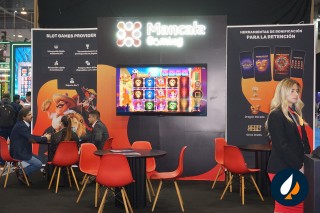
SiGMA North America 2026
01 de September 2026
LatAm Regulators Discussed Illegal Gambling and Innovation at SiGMA North America
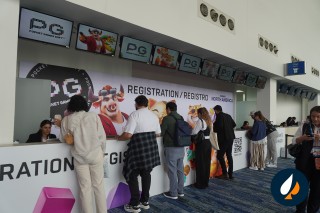
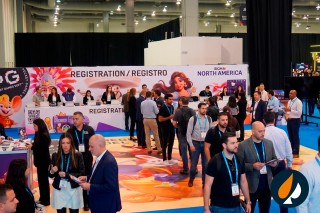
(Mexico City, SoloAzar Exclusive).- The panel "The Red Pen Forum: Regulators Respond to the Industry," held during SiGMA North America 2026, brought together representatives from Uruguay, Argentina, Puerto Rico, and Honduras to analyze regulatory challenges, digital transformation, illegal gambling, and the need to adapt lotteries for new generations. The conference was moderated by Rodrigo Cigliutti, Executive Director of CIBELAE (Ibero-American Corporation of State Lotteries and Betting), and featured the participation of Marcelo Visconti, National Director of Lotteries and Quinielas of Uruguay; Carlos Moyano, President of IAFAS Entre Ríos, Argentina; Heidi Hernández Olivo, Deputy Secretary of the Puerto Rico Lottery; and Lissa Mencía, General Director of Lottery Operations and Games at Loto Honduras.
Monday 28 Sep 2026 / 12:00
SiGMA North America Addressed Crisis Management in iGaming
(Mexico, SoloAzar Exclusive).- During SiGMA North America 2026, Rosa Ochoa, founder of the Blue Global Gaming platform and strategic advisor for gaming operators; Iliana María Pineda Echeverri, Chief Legal & Compliance Officer at Wplay.co; Iraid Rosales, Country Manager Mexico at Amusnet; and Elizabeth Maya Cano, Executive President of CORNAZAR, analyzed the key factors in managing crisis situations within the iGaming industry, with a special focus on transparency, communication, technology, and preparation.
Friday 25 Sep 2026 / 12:00
Affiliates and Acquisition: Keys to Regulated Markets in North America
(Mexico City, SoloAzar Exclusive).- During SiGMA North America 2026, Cristopher Guzmán Reyes, Head of Affiliates at Logrand Entertainment Group; Guga Júnior, influencer and slots expert at Scalar Partners; Andrés Gómez, Head of Latin America Go-to-Market Strategy at Admattic; Yambot Aguilera, Gaming and Finance Sales Director at Google; and Paula Gabriel Jiménez, Advertising Client Growth Director for Microsoft at Aleph, analyzed the state and provincial affiliate ecosystem in North America, as well as the acquisition challenges in regulated markets.
Thursday 24 Sep 2026 / 12:00
SUSCRIBIRSE
Para suscribirse a nuestro newsletter, complete sus datos
Reciba todo el contenido más reciente en su correo electrónico varias veces al mes.