Responsible Gambling Cannot be Scaled Using a Single Framework
Friday 26 de June 2026 / 12:00
⏱ 3 min read
(Cyprus).- International betting brands often operate under a single strategy and a common set of responsible gambling principles. However, player protection does not function the same way across all markets. It is influenced by laws, payment infrastructure, digital maturity, regulatory strength, the role of retail betting, players’ attitudes toward gambling, and the scale of the illegal segment.
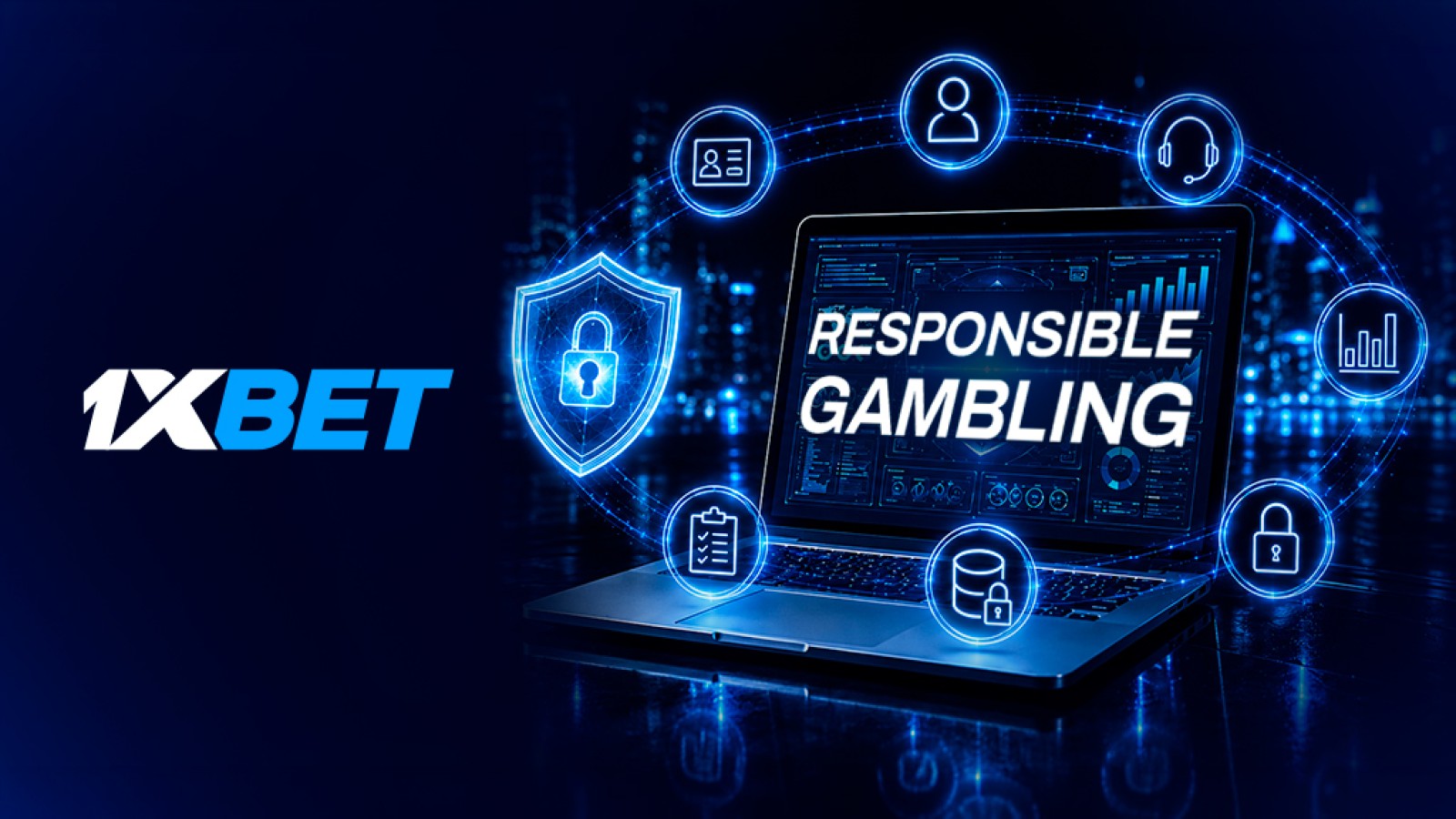
Findings from the International Player Safety Index, the research initiative, produced with SBC Media and supported by 1xBet, show that player protection cannot be separated from local market realities.
In Western Europe, regulation is already well-established, but challenges remain. About 60% of respondents rated the effectiveness of regulation in their primary market at 7 or higher out of 10. However, 43% of operators were dissatisfied with the quality of guidance on player protection, and another 26% were unsure whether the guidance was sufficient.
What stands out is that even a well-developed regulatory environment does not eliminate operational challenges. Operators and regulators may share the goal of protecting players, but differing requirements across borders make it challenging to establish a uniform standard. In one market, the focus is on affordability checks; in another, on self-exclusion; in a third, on advertising; and in a fourth, on financial monitoring. An international brand must not simply copy best practices but instead develop a working model for each jurisdiction separately.
Latin America presents a different picture. The region is rapidly transitioning from offshore dominance toward locally licensed models, and player protection appears robust in certain areas. The study notes that 84% of the operators surveyed use KYC checks, 69% employ real-time activity monitoring, and 34% use AI to identify potential gambling harm.
However, technological progress does not bridge the main gap: players do not always understand the tools designed to protect them. In some markets, gambling is still viewed not as entertainment, but as a way to make money. In such an environment, limits, monitoring, self-assessment, and verification require explanation. Otherwise, protective mechanisms appear to the player as an obstacle rather than as part of a safe environment.
The African market highlights a different reality. The study describes the region as one characterized by two-speed development: Nigeria and Kenya are moving toward more modern frameworks, while other countries are still developing their regulatory and compliance frameworks. Additional challenges are posed by retail betting, cash payments, mobile networks, and the perception of betting as a path to economic improvement.
For an international brand, this means that responsibility cannot be captured in a single slogan. In one market, it is important to strengthen data-led protection and real-time monitoring. In another, it is necessary to explain basic protection tools. Elsewhere, operators may face regulatory uncertainty, while in other jurisdictions the focus remains on reducing the presence of unlicensed operators.
The illegal market remains one of the main challenges for responsible gambling. Unlicensed operators often compete by offering unrestricted conditions: fewer checks, faster access, simpler bonuses, and less oversight. For some players, this seems more appealing, especially if they don’t understand why licensed operators implement protective tools.
Yet the absence of restrictions also means the absence of many protective mechanisms. Without licensing or external oversight, key safeguards such as age controls, self-exclusion tools, financial monitoring and complaint mechanisms become far less effective. As a result, addressing the unlicensed segment is not simply a matter of competition. It is a matter of player safety and the long-term development of the market itself.
In this context, the findings of the International Player Safety Index are particularly valuable. It reveals where regulation is effective, where guidance remains insufficient, what technologies are being used, where players lack education, and why responsible gambling cannot be promoted without addressing the unlicensed segment.
For operators working across multiple markets, these findings reinforce the importance of combining licensing, local adaptation, player protection, education and ongoing research. 1xBet’s support for the International Player Safety Index reflects this broader approach to long-term regulated-market development.
Responsible gambling is not a one-size-fits-all solution. It is the ability to uphold a common principle across different contexts: betting should remain a form of entertainment, players should not be left to face risks alone, and growth should not be built on circumventing the rules that make the market safer.
Categoría:Analysis
Tags: 1XBet,
País: Cyprus
Región: EMEA




Event
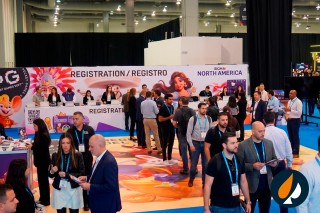

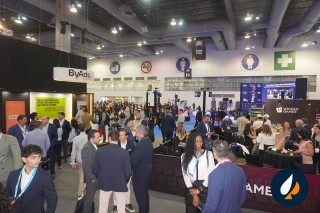



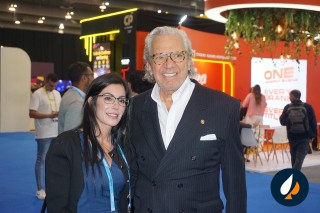
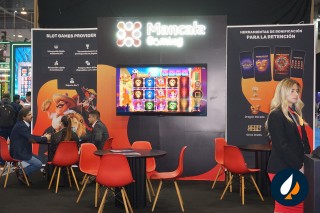
SiGMA North America 2026
01 de September 2026
LatAm Regulators Discussed Illegal Gambling and Innovation at SiGMA North America
(Mexico City, SoloAzar Exclusive).- The panel "The Red Pen Forum: Regulators Respond to the Industry," held during SiGMA North America 2026, brought together representatives from Uruguay, Argentina, Puerto Rico, and Honduras to analyze regulatory challenges, digital transformation, illegal gambling, and the need to adapt lotteries for new generations. The conference was moderated by Rodrigo Cigliutti, Executive Director of CIBELAE (Ibero-American Corporation of State Lotteries and Betting), and featured the participation of Marcelo Visconti, National Director of Lotteries and Quinielas of Uruguay; Carlos Moyano, President of IAFAS Entre Ríos, Argentina; Heidi Hernández Olivo, Deputy Secretary of the Puerto Rico Lottery; and Lissa Mencía, General Director of Lottery Operations and Games at Loto Honduras.
Monday 28 Sep 2026 / 12:00
SiGMA North America Addressed Crisis Management in iGaming
(Mexico, SoloAzar Exclusive).- During SiGMA North America 2026, Rosa Ochoa, founder of the Blue Global Gaming platform and strategic advisor for gaming operators; Iliana María Pineda Echeverri, Chief Legal & Compliance Officer at Wplay.co; Iraid Rosales, Country Manager Mexico at Amusnet; and Elizabeth Maya Cano, Executive President of CORNAZAR, analyzed the key factors in managing crisis situations within the iGaming industry, with a special focus on transparency, communication, technology, and preparation.
Friday 25 Sep 2026 / 12:00
Affiliates and Acquisition: Keys to Regulated Markets in North America
(Mexico City, SoloAzar Exclusive).- During SiGMA North America 2026, Cristopher Guzmán Reyes, Head of Affiliates at Logrand Entertainment Group; Guga Júnior, influencer and slots expert at Scalar Partners; Andrés Gómez, Head of Latin America Go-to-Market Strategy at Admattic; Yambot Aguilera, Gaming and Finance Sales Director at Google; and Paula Gabriel Jiménez, Advertising Client Growth Director for Microsoft at Aleph, analyzed the state and provincial affiliate ecosystem in North America, as well as the acquisition challenges in regulated markets.
Thursday 24 Sep 2026 / 12:00
SUSCRIBIRSE
Para suscribirse a nuestro newsletter, complete sus datos
Reciba todo el contenido más reciente en su correo electrónico varias veces al mes.