South Korean Casino Reforms: Balancing New Regulations with the Threat of Regional Competition
Thursday 30 de July 2026 / 12:00
⏱ 4 min read
(Seoul).- As the South Korean government weighs significant regulatory shifts—including higher fund contributions and strict license renewals—tourism advisor Lee Jae-seok discusses the industry's path forward. In this interview, he explores the delicate balance between government oversight, industry investment, and the urgent need to maintain regional competitiveness.
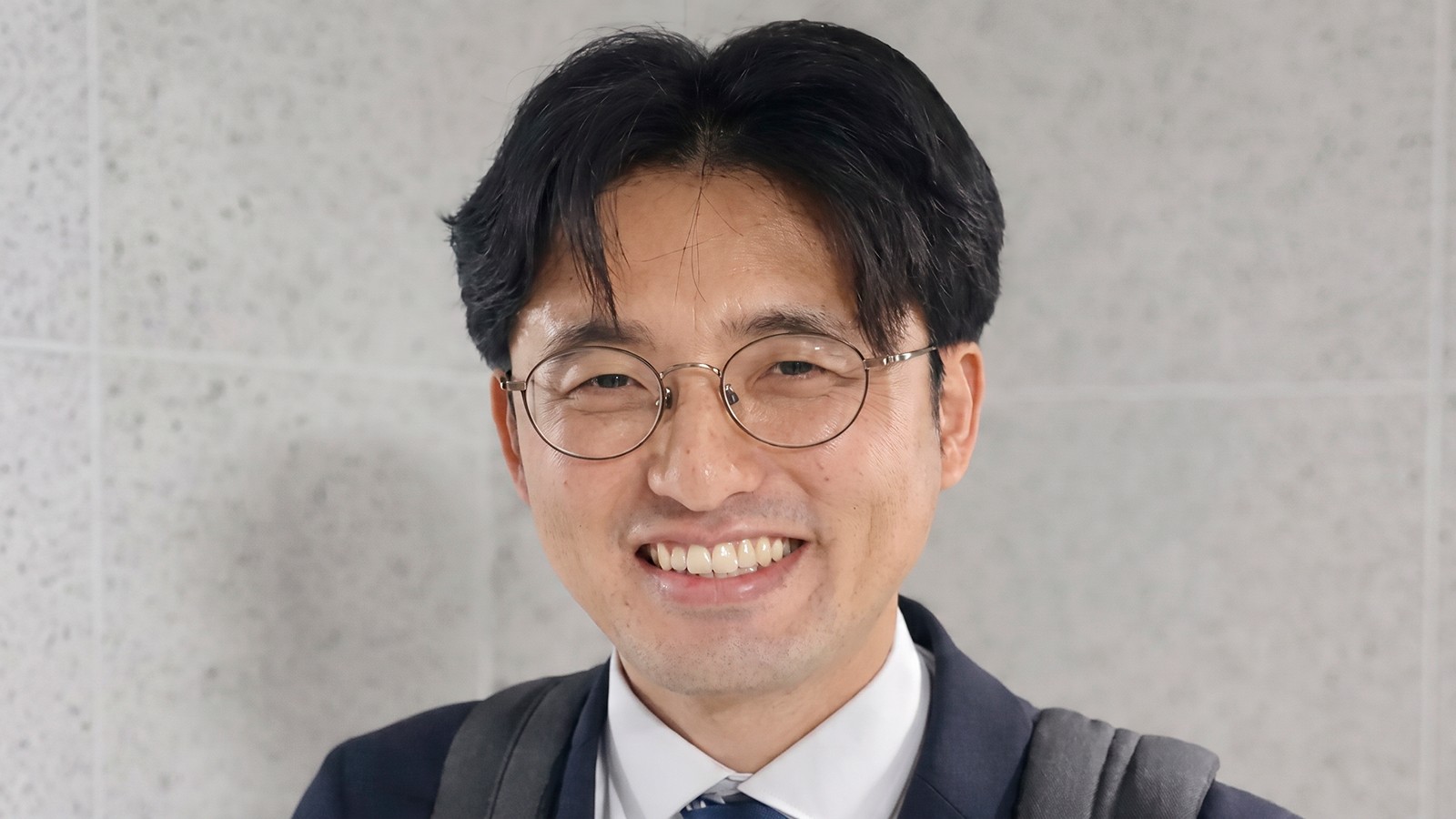
In an interview with GGRAsia, leading tourism management expert Lee Jae-seok weighed in on the pros and cons of South Korea's potential casino regulatory reforms. Discussed at a recent parliamentary forum, The proposed regulations would hike the tourism fund tax from 10% to 15% of gaming revenue, implement periodic license renewals for mainland operators, and mandate government authorization for ownership changes.
Here is the article with interspersed H1 headings and the interview questions shortened and paraphrased for a punchier, more direct flow:
Evaluating Proposed Tax Hikes and License Renewals
What's behind the proposed 15% fund contribution?
Officially, the objective is simply to secure additional Tourism Promotion and Development Fund revenue. The Ministry of Culture, Sports and Tourism has not formally proposed that rate. At present, it appears to be a figure circulating in media reports rather than an official government proposal.
Where does the five-year license renewal idea come from?
As far as I am aware, no specific renewal period has been officially decided, and the Ministry has not announced a five-year term. The current discussion is about whether to introduce a licence renewal system, rather than the length of any renewal period.
The Ministry defended the proposed regulations as an international standard during the forum, but it does not appear to have conducted a comprehensive international comparison or presented specific overseas examples. I consider the reference to ‘international standards’ as rhetorical and insignificant.
Will periodic license renewals discourage investment?
There are advantages and disadvantages. Most overseas jurisdictions combine licence renewals with periodic performance evaluations. However, those systems generally apply to casinos allowed to serve local players, whereas most South Korean casinos are foreigner-only venues.
As South Korean operators therefore face greater investment risk, any renewal cycle introduced should probably be longer than those in comparable overseas jurisdictions, in order to provide greater investment certainty.
Ownership Rules and Reinvesting in the Casino Sector
Are ownership approval rules a reaction to recent casino sales?
In my view, the proposal is not primarily a response to those recent transactions. Similar ownership issues have arisen repeatedly over many years, both on the country’s holiday island Jeju and elsewhere in South Korea. The proposal is therefore better understood as an effort to close a long-standing gap in the country’s casino regulatory framework.
What else does the casino industry need to thrive?
The key issue is how revenue from the Tourism Promotion and Development Fund is used. Casinos contribute a disproportionately large share, but little appears to be reinvested in the industry.
Using more of the fund to support casino tourism and integrated resorts could improve the sector’s long-term competitiveness. At present, however, there is no guarantee that any increase in casino contributions would be spent on the casino industry.
Will the government push these reforms through despite industry pushback?
That will depend on negotiations between the government and the industry, as well as on whether the proposals originate from the government or lawmakers. [President] Lee Jae Myung’s administration appears to advance legislation relatively quickly compared with previous administrations, so the reforms could be enacted during its term if prioritised. However, competing national issues could cause delays.
Kangwon Land's Monopoly and Regional Threats
How will these amendments affect Kangwon Land?
Most of the proposals discussed appear to have little direct relevance to Kangwon Land Inc. However, any increase in contributions to the Tourism Promotion and Development Fund would apply to the company. It already contributes to that fund despite also being subject to payments to the Abandoned Mine Fund.
What is the impact of stricter AML requirements?
I cannot assess Kangwon Land Inc’s own estimate that the proposed AML requirements would result in a 20-percent decline in revenue. The expanded reporting requirements would inconvenience customers and could discourage some from visiting. The AML proposal is separate from the casino-industry reforms we have discussed.
Will the government end Kangwon Land’s monopoly on local players?
Representative Cho Gye-won, who hosted the forum, noted there was no casino in Honam. During an appearance on local television last Saturday, he also said he would propose a casino in Yeosu – his constituency in Honam. President Lee Jae Myung questioned at a ministry work report session late last year why ‘Honam lacked a casino,’ but there is no clear evidence that establishing one has become government policy.
Legally, another locals-play casino is possible, as licences are issued at the government’s discretion. Any approval would ultimately depend on future political and policy decisions. It is difficult to assess whether such a casino would be publicly- or privately-operated.
Why is the upcoming MGM Osaka causing urgency in South Korea?
MGM Osaka could pull South Korean and Japanese players away from Kangwon Land Inc and the country’s foreigner-only casinos. The challenge goes beyond casinos, to South Korea’s tourism economy. Even as the regional market grows, South Korea must improve its competitiveness, otherwise risk losing market share.
* Lee Jae-seok is an associate professor and head of the Department of Tourism Management at Kangwon National University. He holds a PhD in business administration, with a focus on tourism and sport, from Temple University in Philadelphia, Pennsylvania in the United States. He previously taught at the Faculty of Hospitality and Tourism Management at the Macau University of Science and Technology.
Mr Lee currently serves on the South Korean Ministry of Culture, Sports and Tourism’s K-Tourism Innovation Task Force. His research and advisory work focus on casino integrated resorts, tourism policy and gaming regulation.
Categoría:Analysis
Tags: Sin tags
País: South Korea
Región: Asia




Event





SiGMA North America 2026
01 de September 2026
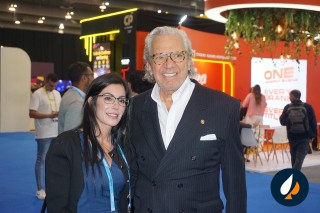
Evert Montero Analyzed Colombia's Gaming Regulation at SiGMA
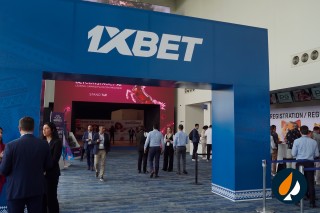
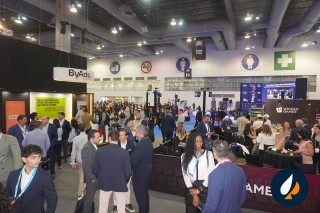
(Mexico City) — Speaking at SiGMA North America 2026, FECOLJUEGOS President Evert Montero Cárdenas offered a deep dive into the regulatory shifts shaping the Latin American and North American markets. He highlighted the sustainability challenges ahead for Colombia's industry and the ongoing impact of technological innovation. A major highlight of the September 1-3 summit at Mexico City’s Centro Banamex was Montero's induction into the Hall of Game 2026.
Friday 11 Sep 2026 / 12:00
Sportradar highlights LATAM growth at SiGMA North America
(Mexico City, SoloAzar Exclusive).- Rodrigo Cambiaghi, Sales Executive Lead, Digital Advertising at Sportradar, highlighted the strategic importance of Mexico and the broader Latin American market during SiGMA North America 2026. Held from September 1–3 at Centro Banamex in Mexico City, the event brought together nearly 2,250 delegates and focused on artificial intelligence, innovation, public-private collaboration and the adaptation of global strategies to local market dynamics.
Friday 11 Sep 2026 / 12:00
AIEJA Highlights Success of SiGMA North America in Mexico
(Mexico City, SoloAzar Exclusive).- Dr. Miguel Ángel Ochoa Sánchez, Executive President of AIEJA, underscored the success of the inaugural SiGMA North America in Mexico, noting its crucial role in elevating the local gaming industry on the global stage. Speaking at the event—held September 1-3 at Mexico City's Centro Banamex—he also broke down key regulatory hurdles, strategies to combat illegal gambling, and emerging opportunities within the sector.
Wednesday 09 Sep 2026 / 12:00
SUSCRIBIRSE
Para suscribirse a nuestro newsletter, complete sus datos
Reciba todo el contenido más reciente en su correo electrónico varias veces al mes.