Macau government likely to extend gaming licenses until 2025
Thursday 17 de December 2020 / 07:11
⏱ 2 min read
(Macau).- Analysts from Morgan Stanley believe that the Macau government will likely extend the current gaming concessions beyond the current 2022 deadline by three years, due to the impact of the Covid-19 pandemic.
According to a note issued by the brokerage, the Chief Executive will likely extend the current concessions by three years, considering the current legislation only allows for a five-year extension and the SJM/MGM China concession was previously extended by two years to match the remeaning concession’s deadline.
One of the reasons Morgan Stanley predicts this outcome is the pace of the process to review the current gaming law and the required steps to prepare the public concession process.
‘The market is hoping that the new gaming bill will be voted in the Legislative Assembly (AL) and the public consultation can be concluded by 4Q21, so the decision on license extension can be finalized by 1Q22 (expiring in June 2022),’ the brokerage noted.
‘For open bidding to happen, Macau has to run a public consultation (earlier planned for 2H20), and then put the new law in the AL (the draft is not ready yet), which could take more than a year’
For Morgan Stanley, if the public consultation is done and the new gaming law is passed in the AL before the third quarter of 2021, it is possible to run an open bid for the gaming license.
However, the brokerage believes it to be more likely that a decision on the extension will be made by June 2021, a year before the expiry date in June 2022, with concessionaires probably required to pay a nominal amount for the extension, as SJM/MGM each paid US$25 million for theirs.
In any case, Morgan Stanley dispelled some possible scenarios for new requirements to be included in the new bidding process, including a gaming tax increase or the impact of a gaming operator being added.
According to the company, since 2002 gaming operators have spent over US$45 billion, added 26,000 rooms, generated cumulative revenue of over US$430 billion, some US$76 billion EBITDA and tax receipts of some US$160 billion.
‘We note that the Macau government collects 38-39 per cent of all gross gaming revenue and received US$14 billion in direct tax in 2019. We do not expect the tax rate to be increased (or changed) meaningfully since the returns on newer casinos have been lower,’ the brokerage added.
As for a 7th or 8th new entrant in the gaming sector, for Morgan Stanley without a ‘big piece of land to go with it’, there will be no competitive threat to the existing players.
Categoría:Casino
Tags: Sin tags
País: Macao




Event

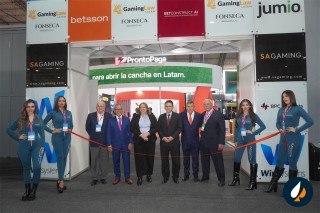
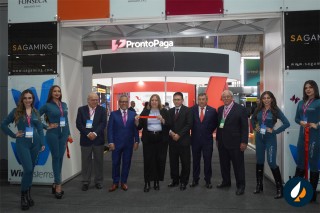

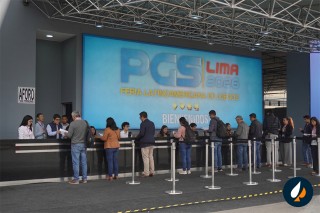

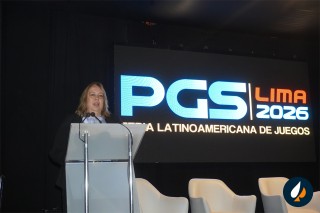
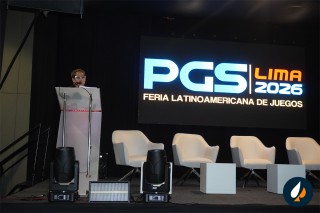
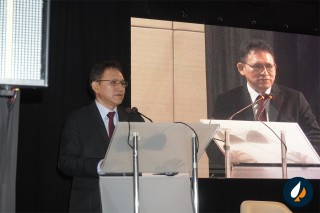
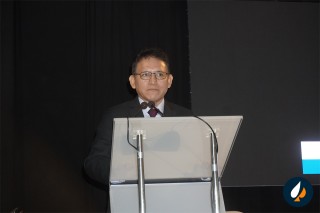
PERU GAMING SHOW – PGS 2026
17 de June 2026
ProntoPaga Consolidates Its Position at Peru Gaming Show 2026
(Lima, SoloAzar Exclusive).- Juan Carlos Loza, Head of Sales Latam at ProntoPaga, spoke exclusively after the company's participation in Peru Gaming Show 2026, highlighting the agreements reached, the interest in their payment solutions, and the expansion plans that will drive their growth across Latin America.
Monday 03 Aug 2026 / 12:00
Enhancing Responsible Gaming Through Effective Training at PGS 2026
(Lima, SoloAzar Exclusive) – Training, prevention, and technology took center stage at the "Value of Responsible Gaming in Gambling Operations" conference during the 2026 Perú Gaming Show (PGS). Presented by Fernando Calderón Castro, President of the National Gaming Society (SONAJA), the session brought industry leaders together to tackle current challenges and explore strategies for safer, more transparent, and sustainable operations.
Wednesday 22 Jul 2026 / 12:00
LSports at the Peru Gaming Show: Building Presence, Opening Doors
(Lima, SoloAzar Exclusive).- The Peru Gaming Show was never just about the booth. For LSports, it was about showing up in a market where showing up still matters — and leaving with more than a contact list. Federico Brancato, Sales Manager for the LATAM Region, came to Lima with a clear sense of what operators in this part of Latin America need most right now. What he found confirmed it.
Friday 17 Jul 2026 / 12:00
SUSCRIBIRSE
Para suscribirse a nuestro newsletter, complete sus datos
Reciba todo el contenido más reciente en su correo electrónico varias veces al mes.