Nevada gaming regulators to hear from health and safety experts as casino reopening nears
Friday 22 de May 2020 / 01:09
⏱ 3 min read
(Nevada).- Insight into how Nevada plans to reopen casinos that have been silenced since mid-March due to the coronavirus pandemic could become clearer next week. The Gaming Control Board will hold a workshop hearing on Tuesday with health and safety experts involved in managing Nevada’s response to COVID-19.
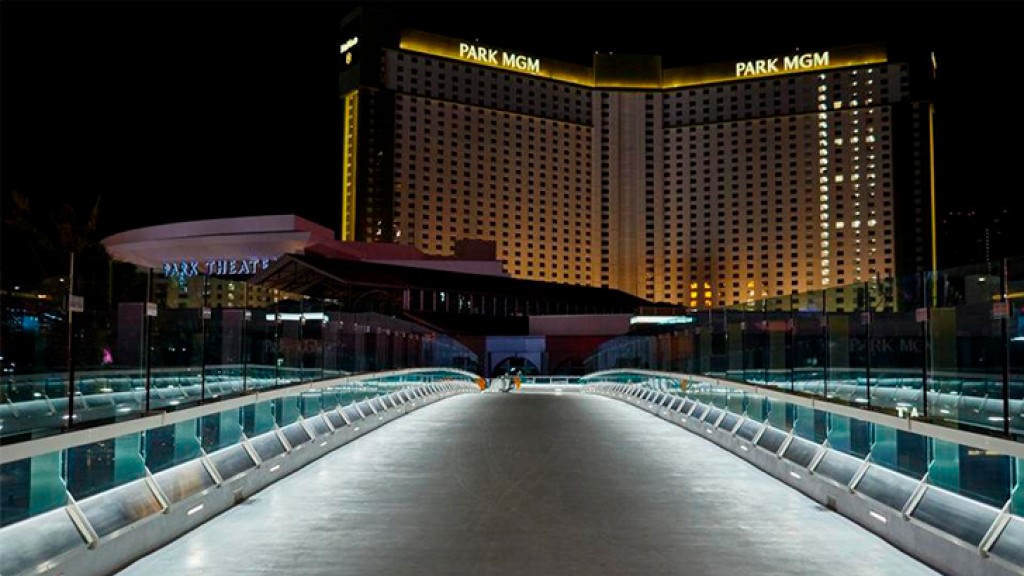
The Gaming Control Board will hold a workshop hearing on Tuesday with health and safety experts involved in managing Nevada’s response to COVID-19, including the state’s director, hospital officials from Reno and Las Vegas, and first responder representatives.
Control Board Chairwoman Sandra Douglass Morgan said Wednesday she scheduled the workshop, which will be held on a live stream virtual platform, “to ensure that the board has the best information available on how local health and public safety officials that have jurisdiction over Nevada’s two largest resort destinations have responded to COVID.”
Nevada’s gaming industry, the largest in the nation, has been closed since March 18 as part of the shut-down of non-essential businesses ordered by Gov. Steve Sisolak in an effort to slow the spread of the virus.
The closures left several hundred thousand casino workers unemployed and have all but eliminated Nevada gaming and non-gaming revenues going on nine weeks.
Neighboring states – California and Arizona – have seen tribal casinos reopen in the past week, as have regional gaming markets, including Louisiana on Monday and Mississippi, which is scheduled to open Thursday.
Sisolak reopened a portion of Nevada’s economy on May 9 after the state had met several benchmarks dictated by health professionals. Casinos are expected to reopen in the next phase, although a date will be determined by Sisolak. Morgan said regulators will determine the plan of reopening while the governor will set the date.
Nevada gaming regulators have approved a series of health and safety guidelines gaming operators must follow in order to reopen properties. Gaming operators are required to submit their own health and safety plans to the Control Board before reopening properties and several casino companies – Wynn Resorts, Las Vegas Sands, MGM Resorts, Station Casinos, Boyd Gaming – have released all or portions of those plans publicly.
he Las Vegas Culinary Union, which represents hotel and casino workers, has asked that all plans submitted to the Control Board made public, but Morgan said the plans can’t be made public under state law. Morgan said it would be “beneficial to the board” to hear from health and safety experts.
According to the agenda, Morgan invited: Caleb Cage, the state’s COVID-19 response director; Mason Van Houweling, CEO of University Medical Center in Las Vegas; Fermin Leguen, district health officer for the Southern Nevada Health District; Clark County Fire Department Chief John Steinbeck; Anthony Slonim, CEO of Renown Health in Reno; and Dean Dow, CEO of Regional Emergency Medical Services Authority in Washoe County.
In the past month, operators of Las Vegas Strip casinos have hinted at reopening plans, possibly by June, with some releasing ideas for a phased-in restart for multiple properties. Many casino operators have accepting hotel reservations for dates in May, only to cancel the plans. Las Vegas Sands announced this week it was accepting reservations at the Venetian starting on June 1.
The Gaming Control Board’s guidelines – a seven-page document for resort casinos and locals gaming properties, and a four-page notice for operators with up to 15 slot machines, such as taverns, bars, restaurants, convenience stores, and supermarkets – establish initial requirements covering operations, customers and employees.
Casinos run by resort operators will be limited to no more than 50% their maximum occupancy capacity, must increase the space between their slot machines, and will be required to limit the seating at table games – three players for blackjack, six for craps, four for roulette, and four for poker.
Also, casinos are to follow state and medical requirements for the usage of medical masks and other personal protective equipment and should make the items available for resort guests and employees. It is up to the casino to decide if masks will be required. Most Nevada casinos have said they will require employees to wear masks.
As with resort casinos, occupancy inside the smaller locations will be reduced by 50% while social distancing measures in taverns will limit the number of bar top slot machines that can be used at a given time.
Categoría:Casino
Tags: Sin tags
País: United States




Event




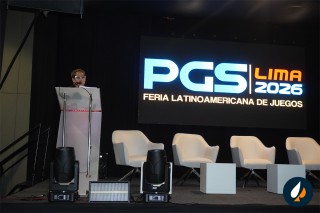
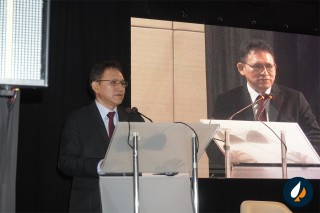
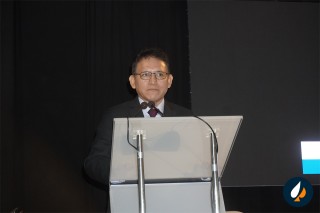
PERU GAMING SHOW – PGS 2026
17 de June 2026
ProntoPaga Consolidates Its Position at Peru Gaming Show 2026
(Lima, SoloAzar Exclusive).- Juan Carlos Loza, Head of Sales Latam at ProntoPaga, spoke exclusively after the company's participation in Peru Gaming Show 2026, highlighting the agreements reached, the interest in their payment solutions, and the expansion plans that will drive their growth across Latin America.
Monday 03 Aug 2026 / 12:00
Enhancing Responsible Gaming Through Effective Training at PGS 2026
(Lima, SoloAzar Exclusive) – Training, prevention, and technology took center stage at the "Value of Responsible Gaming in Gambling Operations" conference during the 2026 Perú Gaming Show (PGS). Presented by Fernando Calderón Castro, President of the National Gaming Society (SONAJA), the session brought industry leaders together to tackle current challenges and explore strategies for safer, more transparent, and sustainable operations.
Wednesday 22 Jul 2026 / 12:00
LSports at the Peru Gaming Show: Building Presence, Opening Doors
(Lima, SoloAzar Exclusive).- The Peru Gaming Show was never just about the booth. For LSports, it was about showing up in a market where showing up still matters — and leaving with more than a contact list. Federico Brancato, Sales Manager for the LATAM Region, came to Lima with a clear sense of what operators in this part of Latin America need most right now. What he found confirmed it.
Friday 17 Jul 2026 / 12:00
SUSCRIBIRSE
Para suscribirse a nuestro newsletter, complete sus datos
Reciba todo el contenido más reciente en su correo electrónico varias veces al mes.