Pennsylvania tries luck again in mini-casino license auction
Friday 10 de July 2020 / 12:58
⏱ 2 min read
(Harrisburg).- Pennsylvania will again seek to auction a mini-casino license on Sept. 2, under orders from state lawmakers in search of cash for a treasury starved of tax collections from shutdowns to contain the coronavirus.
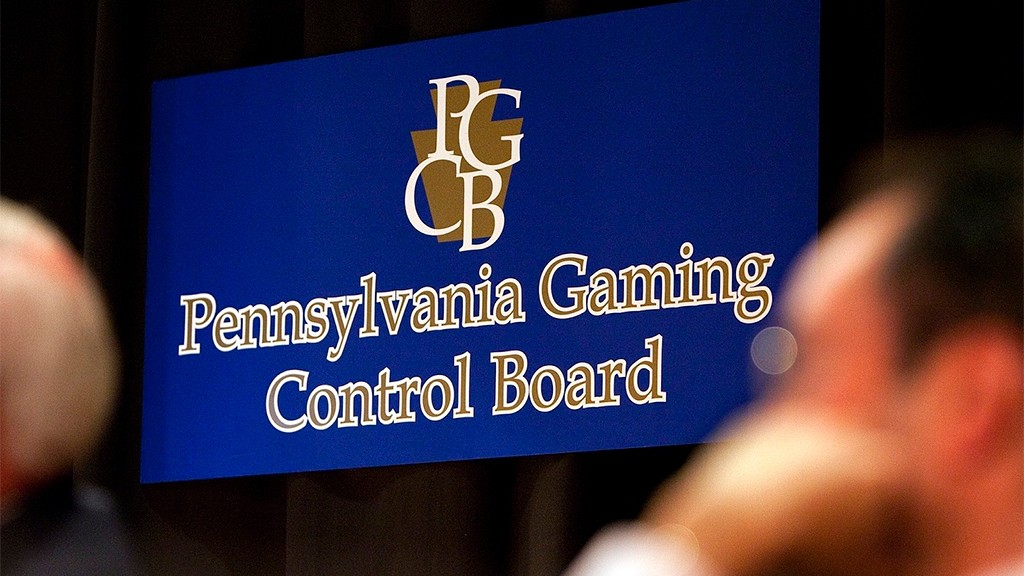
The Pennsylvania Gaming Control Board on Wednesday scheduled the auction after budget legislation that passed in May required another auction.
Owners of the state’s licensed casinos are eligible to bid, although many of them never even bid in seven prior auctions. The bidding is under an aggressive 2017 state law to expand gambling, including authorizing auctions of 10 mini-casino licenses that allow the holder to operate up to 750 slot machines and up to 40 table games.
Bidders must submit a prospective site for the casino that cannot come within 40 miles of another casino location.
Minimum bids are set at $7.5 million, and the state tax rate on casino revenue is among the nation’s highest.
Meanwhile, exclusion zones around the 17 existing and proposed casino sites have rendered Pennsylvania’s largest metropolitan areas off-limits. That leaves bidders with a choice of rural northern Pennsylvania, a stretch along the Ohio border between Pittsburgh and Erie, and a handful of smaller cities, including Altoona, Williamsport and State College.
On top of that, coronavirus shutdowns have kept Pennsylvania’s casino closed for much of the last four months, and slot-machine play – the dominant money-maker – was off by about 25%, or almost $7 billion, in the 11 months through June, according to the latest state statistics.
The state received bids in five auctions in 2018, but interest petered out in the sixth auction and another auction ordered by lawmakers last year drew no bids.
None of the mini-casinos have opened yet and one successful bidder, the owners of Mount Airy Casino Resort in the Pocono Mountains, saw regulators reject their proposed mini-casino after acknowledging that they couldn’t finance the project.
One mini-casino is being built near the city of Reading, along the Pennsylvania Turnpike, while two are sited in southcentral Pennsylvania and another is being built in Westmoreland County, in western Pennsylvania. All told, the state has reaped about $111 million in bids.
With 12 casinos operating, Pennsylvania was the nation’s No. 2 state for commercial casino revenue, behind Nevada, at $3.4 billion in 2019, according to American Gaming Association figures. It was No. 1 in tax revenue from casino gambling last year at $1.5 billion.
Categoría:Casino
Tags: Sin tags
País: United States




Event


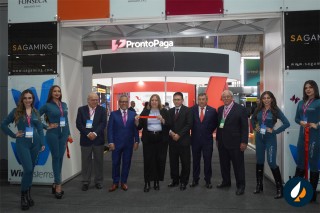

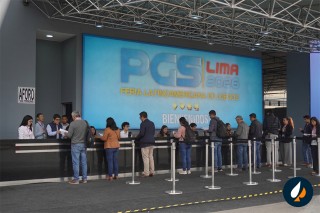

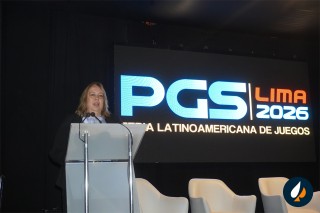
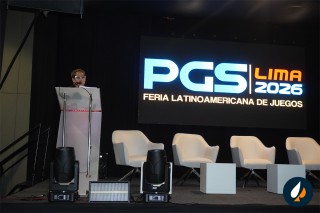
PERU GAMING SHOW – PGS 2026
17 de June 2026
ProntoPaga Consolidates Its Position at Peru Gaming Show 2026
(Lima, SoloAzar Exclusive).- Juan Carlos Loza, Head of Sales Latam at ProntoPaga, spoke exclusively after the company's participation in Peru Gaming Show 2026, highlighting the agreements reached, the interest in their payment solutions, and the expansion plans that will drive their growth across Latin America.
Monday 03 Aug 2026 / 12:00
Enhancing Responsible Gaming Through Effective Training at PGS 2026
(Lima, SoloAzar Exclusive) – Training, prevention, and technology took center stage at the "Value of Responsible Gaming in Gambling Operations" conference during the 2026 Perú Gaming Show (PGS). Presented by Fernando Calderón Castro, President of the National Gaming Society (SONAJA), the session brought industry leaders together to tackle current challenges and explore strategies for safer, more transparent, and sustainable operations.
Wednesday 22 Jul 2026 / 12:00
LSports at the Peru Gaming Show: Building Presence, Opening Doors
(Lima, SoloAzar Exclusive).- The Peru Gaming Show was never just about the booth. For LSports, it was about showing up in a market where showing up still matters — and leaving with more than a contact list. Federico Brancato, Sales Manager for the LATAM Region, came to Lima with a clear sense of what operators in this part of Latin America need most right now. What he found confirmed it.
Friday 17 Jul 2026 / 12:00
SUSCRIBIRSE
Para suscribirse a nuestro newsletter, complete sus datos
Reciba todo el contenido más reciente en su correo electrónico varias veces al mes.