Proposed tribal casino is risky business and sparks tensions in California
Wednesday 27 de November 2024 / 12:00
⏱ 3 min read
(Washington).- The Koi Nation, a small Native American tribe with fewer than 100 members, is moving closer to building a $600 million Las Vegas-style casino resort in California’s Sonoma County, just an hour north of San Francisco.
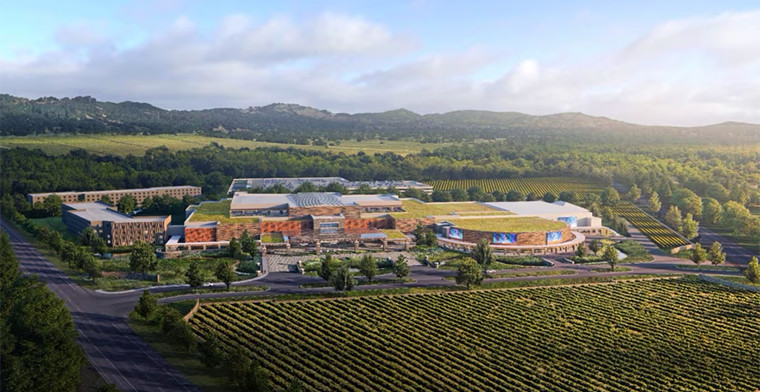
The Bureau of Indian Affairs has released its final environmental impact statement for the proposed Shiloh Resort and Casino, marking a key step in the tribe's application to place 27 hectares of land into federal trust.
The environmental report analyzed the project's potential impacts on air and water quality, wildlife, traffic, and other factors. While most effects were deemed "less than significant," some were classified as "potentially significant." The public now has 30 days to review the findings and submit comments before the bureau makes a final decision.
The Shiloh project faces stiff opposition from California lawmakers, Governor Gavin Newsom and neighboring tribes. Newsom argued in an August letter to the Department of the Interior that the land in question lies outside the Koi Nation’s historical homeland — a key requirement under federal law for gaming approval.
Competing tribes, most notably the Federated Indians of Graton Rancheria, also oppose the project. They launched a high-profile media campaign earlier this month with full-page ads in major newspapers accusing the Interior Department of undermining tribal sovereignty.
At the heart of the controversy is the Indian Gaming Regulatory Act of 1988, which sets the rules for tribal gaming and includes guidelines about a tribe’s historical connection to land. The casino must be located on land the federal government holds in trust for the tribe. The act also prohibited gaming on lands acquired after October 17, 1988, unless certain conditions are met.
One such exception applies to tribes with restored federal recognition. In December 2023, the Biden administration announced an updated final rule that made it easier for tribes to acquire land in trust. The rule now permits gaming on lands placed into trust as part of restoring territory to a landless tribe that has regained federal recognition.
To qualify for this exception, a tribe must demonstrate both a historical and contemporary connection to the land.
For the Koi Nation, the fight is deeply personal. In 1916, the federal government recognized the tribe under its former name, the Lower Lake Rancheria, and allocated 56 hectares of land in neighboring Lake County which were largely unfarmable. By 1918, most tribal members had relocated to Sonoma County.
In 1956, the federal government sold off 40 hectares of the Lake County land and transferred the remaining 16 hectares to the sole tribal member still residing there.
The Interior Department did not officially terminate the tribe; through clerical errors, it simply forgot about them. Decades later, the government reaffirmed that relationship.
“The Lower Lake Rancheria have been officially overlooked for many years by the Bureau of Indian Affairs even though their government-to-government relationship with the United States was never terminated,” then-assistant Indian affairs secretary Kevin Gover stated in his December 29, 2000 finding. “I am pleased to correct this egregious oversight.”
The Koi purchased the Shiloh land for $12.3 million in 2021 and applied to the government to place the land into trust. The tribe says that trails their ancestors used in trade pass directly through the site.
“The Koi Nation has been in this region for thousands of years and is fully within its rights to pursue this project,” said Sam Singer, a spokesperson for the tribe.
Singer attributes much of the opposition to fear of competition. Currently, more than 60 tribes operate 66 casinos across California. The Graton Rancheria operates a resort and casino about 17 kilometers south of the Shiloh property and is currently undergoing a $1 billion expansion.
By Cecily Hilleary
Categoría:Casino
Tags: Sin tags
País: United States
Región: North America




Event


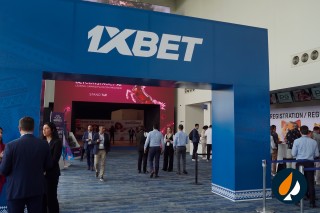

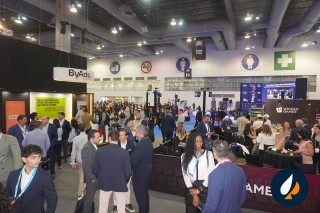


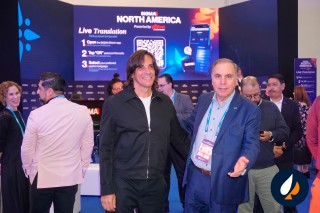


SiGMA North America 2026
01 de September 2026
LatAm Regulators Discussed Illegal Gambling and Innovation at SiGMA North America
(Mexico City, SoloAzar Exclusive).- The panel "The Red Pen Forum: Regulators Respond to the Industry," held during SiGMA North America 2026, brought together representatives from Uruguay, Argentina, Puerto Rico, and Honduras to analyze regulatory challenges, digital transformation, illegal gambling, and the need to adapt lotteries for new generations. The conference was moderated by Rodrigo Cigliutti, Executive Director of CIBELAE (Ibero-American Corporation of State Lotteries and Betting), and featured the participation of Marcelo Visconti, National Director of Lotteries and Quinielas of Uruguay; Carlos Moyano, President of IAFAS Entre Ríos, Argentina; Heidi Hernández Olivo, Deputy Secretary of the Puerto Rico Lottery; and Lissa Mencía, General Director of Lottery Operations and Games at Loto Honduras.
Monday 28 Sep 2026 / 12:00
SiGMA North America Addressed Crisis Management in iGaming
(Mexico, SoloAzar Exclusive).- During SiGMA North America 2026, Rosa Ochoa, founder of the Blue Global Gaming platform and strategic advisor for gaming operators; Iliana María Pineda Echeverri, Chief Legal & Compliance Officer at Wplay.co; Iraid Rosales, Country Manager Mexico at Amusnet; and Elizabeth Maya Cano, Executive President of CORNAZAR, analyzed the key factors in managing crisis situations within the iGaming industry, with a special focus on transparency, communication, technology, and preparation.
Friday 25 Sep 2026 / 12:00
Affiliates and Acquisition: Keys to Regulated Markets in North America
(Mexico City, SoloAzar Exclusive).- During SiGMA North America 2026, Cristopher Guzmán Reyes, Head of Affiliates at Logrand Entertainment Group; Guga Júnior, influencer and slots expert at Scalar Partners; Andrés Gómez, Head of Latin America Go-to-Market Strategy at Admattic; Yambot Aguilera, Gaming and Finance Sales Director at Google; and Paula Gabriel Jiménez, Advertising Client Growth Director for Microsoft at Aleph, analyzed the state and provincial affiliate ecosystem in North America, as well as the acquisition challenges in regulated markets.
Thursday 24 Sep 2026 / 12:00
SUSCRIBIRSE
Para suscribirse a nuestro newsletter, complete sus datos
Reciba todo el contenido más reciente en su correo electrónico varias veces al mes.