United States Crack Down on Sweepstakes Casinos: A Growing Controversy
Monday 17 de March 2025 / 12:00
⏱ 3 min read
(Nevada).- Over the past couple of weeks, one of the hottest topics in statehouses around the country has been a tsunami of sweepstakes bills aimed at slowing or stopping the rapid rise in what many lawmakers see as an illegal form of gambling that is siphoning money and tax dollars from their states. Read about some interesting developments in Mississippi, Maryland and Nevada.
It's that point in the legislative calendar in many states when many bills are being pushed forward and others left behind. Some even receive votes and are sent to other house chambers for approval or reconciliation.
Below, you can read some of the most interesting developments of the past week to keep you updated on all of the legislative sweepstakes happenings.
Mississippi Moves Forward
Mississippi has crossed the finish line, becoming the first state to pass a bill that explicitly says that online sweepstakes casino-style games are illegal. Fines for running an unlawful internet betting business start at $100,000 with the possibility of 10 years in prison.
Mississippi SB 2510 sailed through the Senate with a 44-1 vote, and an amended version also quickly made it through the Mississippi House 83-19. However, because of an amendment added by the Gaming Chair that would have allowed online sports betting, the bill must be reconciled and concurred before being sent to the Governor's mansion.
While the sports betting amendment is likely to be removed, the Governor will likely sign the rest of the bill in the next few weeks, making it effective July 1 of this year. This means that Sweeps Casinos' time in Mississippi is rapidly ending.
Maryland Muddles Along
This week, Maryland SB0860 also unanimously passed out of the Budget and Taxation Committee before again not drawing a single no vote in a 47-0 passage by the full Senate. Unlike the Mississippi bill, the charge here is only a misdemeanor, but in Maryland, it could still get you up to three years in jail and a $100,000 fine.
Here, the definition focuses on the types of currency available in these sweepstakes sites and whether any of them can be easily converted into cash. Unlike in Mississippi, however, HB1140, which contains the exact same language as SB860, has faced significant resistance and has been repeatedly delayed, preventing it from even reaching a committee vote. The full House is set to discuss the bill next week, but its future remains uncertain.
Still, if it passes, Maryland’s new governor, Wes Moore, would likely sign it into law. Apparently, several major sweepstakes casinos, including McLuck and Hello Millions, are not optimistic about their chances, as they withdrew from the state early last week.
Nevada Attempts Nix of Sweeps
There has been a lot of innovation in legislation across the country when it comes to ways to define gambling, especially when it comes to the sweeps models, as well as the best ways to discourage these types of casinos.
While Maryland and Mississippi largely stuck with traditional fines and potential jail terms, Nevada has devised a different way to disincentivize gray and black market operators. Nevada SB256 lays out "the disgorgement of any profit, gain, gross receipt, or other benefit related to certain illegal gaming activities."
But they've added charges of a class B felony, with a jail term of up to ten years and a $50,000 fine to ensure that illegal operators know that they are serious. Interestingly, they have stayed away from attempting to define what constitutes illegal gambling, and the Bill simply refers to current gaming law, which prohibits: "a person from accepting, receiving or allowing certain other persons to accept or receive certain wagers through any medium of communication from another person physically present within this State. "
This bill is not as far along as those in Mississippi or Maryland. Still, it bears some consideration for the novelty of forcing any illegal gaming operators in the state that have not been licensed to pay back all ill-gotten proceeds. This means not just sweeps operators but offshore websites that currently make billions in states where they are not licensed or authorized.
Its chances of becoming law are uncertain. However, as states across the country explore ways to combat sweepstake gambling, they could benefit from following the developments in Maryland, Mississippi, and Nevada this week.
Categoría:Casino
Tags: Sin tags
País: United States
Región: North America




Event
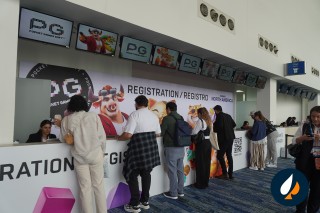

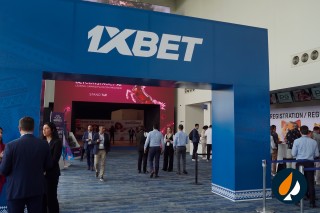

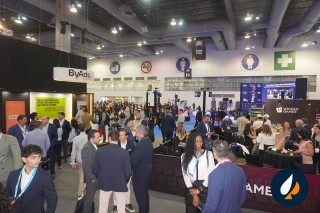





SiGMA North America 2026
01 de September 2026
Manuel Jiménez, CEO of SoluestBet: "Mexico is a priority market for us"
(Mexico City, SoloAzar Exclusive).- Manuel Jiménez, CEO of SoluestBet, analyzed his visit to SiGMA North America and highlighted the priority role of Mexico as a gateway between Latin America and North America. The executive also pointed out the opportunities for suppliers that manage to combine technology, commercial structure and solid relationships with operators in the region.
Monday 21 Sep 2026 / 12:00
Rocío Moitino of Ready Play Gaming looks back on her visit to SiGMA North America
(Mexico City, SoloAzar Exclusive).- After visiting SiGMA North America, Rocío Moitino Head of Sales, Latin America at Ready Play Gaming, analyzed the opportunities of the Mexican market and the new demands of operators. The executive highlighted the importance of combining product, distribution and commercial strategy, in addition to the potential of alternative formats to traditional slots.
Monday 21 Sep 2026 / 12:00
"Technology can be global, but execution in LATAM must be local": Borut Leban on Timeless Tech's Regional Expansion
(Mexico City, SoloAzar Exclusive).- Following a highly successful showing and a 'Best Aggregator 2026' award at SiGMA North America, Timeless Tech CEO Borut Leban reflects on the company's strategic growth across LatAm. In this interview, Leban discusses the necessity of deep market localization, concrete new business opportunities, and the upcoming launch of their unified retention ecosystem, Timeless Arena.
Friday 18 Sep 2026 / 12:00
SUSCRIBIRSE
Para suscribirse a nuestro newsletter, complete sus datos
Reciba todo el contenido más reciente en su correo electrónico varias veces al mes.