Alec Gehlot on Building Lasting Player Relationships in iGaming, a Soft2Bet Interview
Monday 21 de September 2026 / 12:00
⏱ 7 min read
(Malta).- Soft2Bet speaks with PlaySignal CEO Alec Gehlot ahead of the SBC Summit to discuss the future of the player experience, why trust matters, and the value of knowing exactly when not to engage.
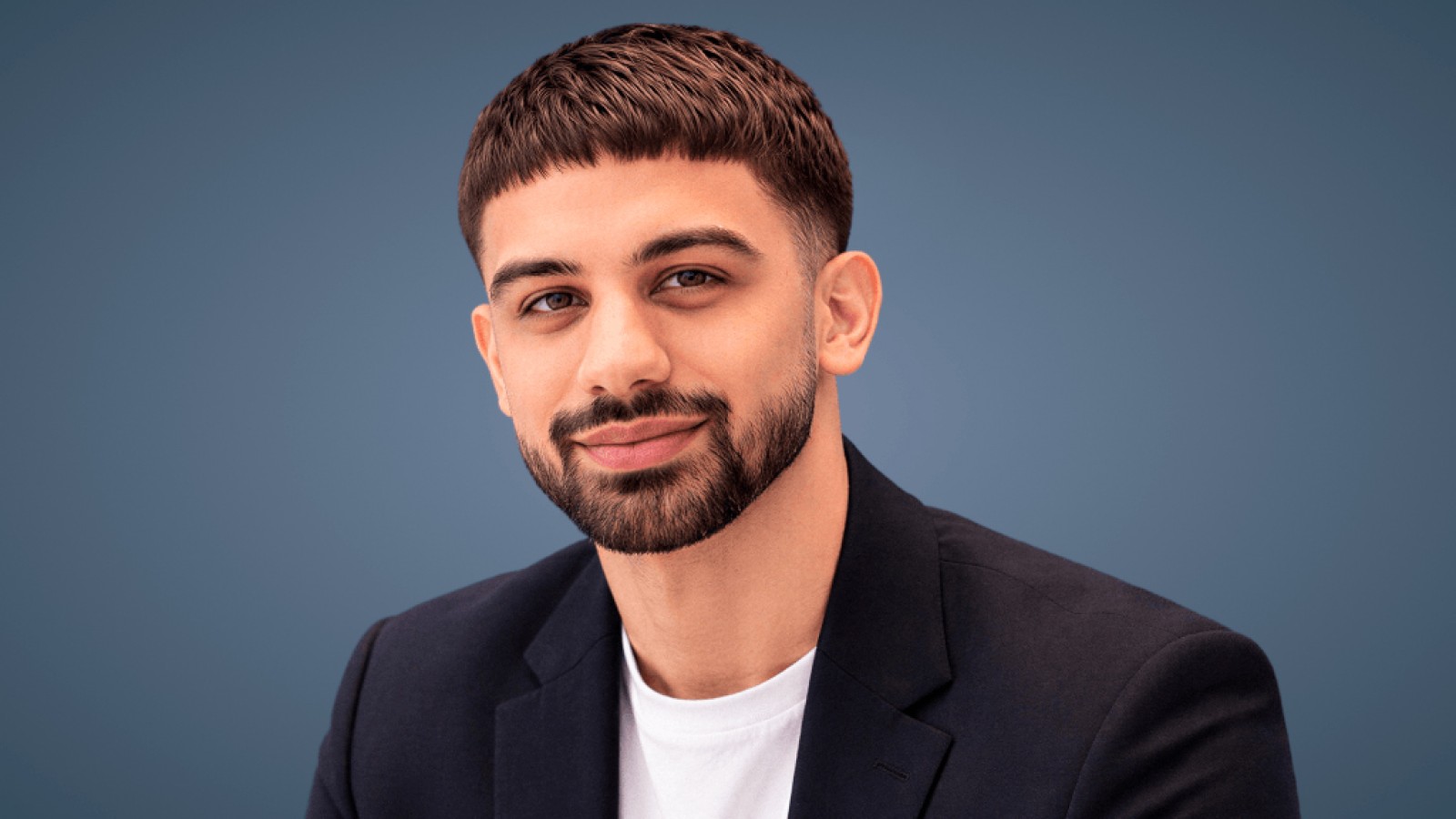
For years, the iGaming industry has treated engagement as both an objective and evidence of success. The quality and sustainability of the player experience matter just as much. That makes the next phase of player experience considerably more demanding. Ahead of the Player Experience Academy at the SBC Summit powered by Soft2Bet, the firm spoke with Alec Gehlot, CEO and Co-Founder of PlaySignal.
Redefining iGaming Engagement
Every player is on a journey. But how do they feel about that journey? Are they enjoying it? Are they frustrated?
If that journey is focused on quality, think first class rather than economy, then naturally the player is more likely to have a better experience. And if you get the quality of that relationship right, time and money tend to follow.
At the end of the day, people are willing to spend more when an experience feels better. That’s why people pay more for first class than economy. The difficult part is figuring out what “first class” actually means for that player in the first place.
Where Gamification Fails?
Here’s where I think it starts to go wrong. Operators are really good at getting players to do more. Play more, deposit more, bet more.
But when it comes to helping someone slow down, the tools are probably five years behind. And the reason is that most of the systems we use to encourage play are one directional.
It’s like having a car with no reverse gear. It can go forward really well, but what happens when you need to slow down, change direction or avoid a collision?
Gamification today basically says, “That’s not my problem. I was built to go forward as quickly as possible.” And you might say, “Well, obviously. Operators want people to spend more money.” For me, gamification is an opportunity to create a better and more balanced player experience.
Improving Players' Experience
I think we overcomplicate why people gamble. People want an experience. That’s true in gambling, but it’s also true in restaurants, e-commerce, supplements, pretty much any industry.
People do things because they want to feel something or get something out of the experience. AI, personalisation, gamification, all of that can help. But those things are only useful if they make the experience better. They can’t become the experience itself.
If I get amazing customer service, I don’t really care whether it came from a human or AI. I just care that it was good. And I think that’s what we sometimes get wrong. We assume players care about AI, gamification or whatever the latest technology is. They don’t. They care about whether the experience is good for them.
Everything else is just a mechanism for getting there. “We’re an AI casino !” Great. But what does that actually improve for the player? That’s the bit that matters.
Moving from Segmentation to Individual Motivations
I’d actually say iGaming is pretty far ahead when it comes to designing experiences around behaviour.
But moving from segmentation to individual player motivations? That’s extremely hard. And that’s probably why we don’t see it as often as we might expect. You’re starting to see companies like Netflix and Uber move towards more individualised journeys, with AI playing a big role in that.
Really, it’s about understanding the behaviours and characteristics of each player, then adapting every interaction around that understanding. That’s where we’re heading next. But it’s a really hard problem. And I mean super, super hard.
Take a tiny casino with 1,000 players. In theory, that’s 1,000 different journeys. But journeys across what? Email? SMS? Push notifications?
And don't forget… Offers? Timing? Content?
Once you start combining all of those decisions, it becomes impossible to manage without an army of AI agents that you can actually trust to produce quality work. Right now, there’s still a huge amount of value operators haven’t even unlocked from segmentation yet.
Real Value or Commercial Theatre?
I think any operator can answer this with a pretty simple question: Does it do what you wanted it to do?
If not, it’s probably just commercial theatre. There’s already a playbook out there. Look at Duolingo. Look at Fortnite. So really, it comes down to this: can you prove the feature is making the experience better? Go run some tests and find out.
Balancing Engagement and Protection
Knowing When Not to Engage?
I’m probably one of the strongest advocates for the idea that sometimes the best thing an operator can do is not engage a player. I think it’s too simplistic to say, “Just keep pushing. Keep messaging. Keep them engaged.”
Great experiences don’t work like that. They have push and pull. They have changes in pace. Think about a great film. The hero doesn’t just win for two hours straight. There are setbacks, tension, changes in momentum. That’s what keeps you engaged.
Games providers actually understand this really well. Marketing often doesn’t. Most marketing technology is still built in one direction: do more, send more, push more. And I think the operator that figures out how to balance that, when to push and when to pull back, is going to stand out.
Because if the whole industry just keeps pushing players harder and harder, it becomes a competition of who can shove more things down a players throat, before they choke.
Probably don’t need me to say that it doesn't end well for the players or the operators.
Embedded Player Protection?
Yes, it has to be embedded into the experience. What we need are systems that understand the player from the beginning and can recognise when things are starting to move too far, before it gets to the point of restriction or exclusion.
And I understand why that’s difficult. Regulated operators are under huge pressure. You’ve got increasing regulation, tighter margins, and then you’ve got others competing for the same players without necessarily operating under the same constraints.
So when we say, “Operators need to be more responsible,” we also have to recognise the environment they’re competing in. But I actually think that creates an opportunity.
Trust might be one of the strongest competitive advantages a regulated operator has left. So rather than seeing responsible gambling as something that holds the business back, I think the smartest operators will use it as part of what makes players choose them in the first place.
Personalization Too Effective?
I think personalisation becomes “too effective” when it starts damaging the player relationship. Knowing the player better isn’t the problem. The problem is what you do with that knowledge.
If you understand exactly what makes someone engage, and you use that to create a better, more relevant experience, great. But if you use that same understanding to keep pushing someone until they reach a point where they need to be restricted or excluded, then you’ve gone too far. It all depends on what you are aiming for.
Lessons From Other Industries?
A lot of industries have taken things from iGaming, and in some cases implemented them more smoothly.
But iGaming has a unique problem. We’re probably one of the only industries where there’s such a thing as too much engagement.
Take Netflix. Nobody’s stepping in and says, “Alec watched too much Netflix this week. We need to restrict his account.” In regulated iGaming, that upper limit exists. Most industries can keep optimising for more. We can’t.
For regulated operators, there’s a point you don’t want the player to cross. So the challenge isn’t simply maximising engagement. It’s maximising safe engagement.
Consistency Across Jurisdictions
The fundamentals don’t really change. That’s why it's not a surprise that almost all casinos and sportsbooks look the same.
Yes, every market has its own nuances. But fundamentally, are players enjoying the experience?
If you can answer that question well in one market, you can probably answer it pretty well in another.The bigger issue comes when operators lose the identity that made them successful in the first place.
What worked in one market often came from a really clear sense of who they were, what their players wanted and what made them special.
But as they expand quickly, that identity can start to get diluted. So the challenge isn’t just adapting to new markets. It’s doing that without losing the thing that made people care about the brand in the first place.
The Next Five Years
In the end, we’ll still be talking about the operators that consistently deliver a great experience. And the ones that don’t? We might not be talking about them at all in five years.
Advice for CEOs
Every CEO should decide how player experience will be measured and then experience the product personally. Use the app. Make a deposit. Contact customer service . Try to withdraw. Dashboards can tell you what players do, but they do not always tell you how the experience feels.
If CEOs want to understand the quality of the journey, they should begin by taking it themselves.
Categoría:Events
Tags: Soft2Bet, SBC Summit,
País: Malta
Región: EMEA




Event



SiGMA North America 2026
01 de September 2026
Manuel Jiménez, CEO of SoluestBet: "Mexico is a priority market for us"
(Mexico City, SoloAzar Exclusive).- Manuel Jiménez, CEO of SoluestBet, analyzed his visit to SiGMA North America and highlighted the priority role of Mexico as a gateway between Latin America and North America. The executive also pointed out the opportunities for suppliers that manage to combine technology, commercial structure and solid relationships with operators in the region.
Monday 21 Sep 2026 / 12:00
Rocío Moitino of Ready Play Gaming looks back on her visit to SiGMA North America
(Mexico City, SoloAzar Exclusive).- After visiting SiGMA North America, Rocío Moitino Head of Sales, Latin America at Ready Play Gaming, analyzed the opportunities of the Mexican market and the new demands of operators. The executive highlighted the importance of combining product, distribution and commercial strategy, in addition to the potential of alternative formats to traditional slots.
Monday 21 Sep 2026 / 12:00
"Technology can be global, but execution in LATAM must be local": Borut Leban on Timeless Tech's Regional Expansion
(Mexico City, SoloAzar Exclusive).- Following a highly successful showing and a 'Best Aggregator 2026' award at SiGMA North America, Timeless Tech CEO Borut Leban reflects on the company's strategic growth across LatAm. In this interview, Leban discusses the necessity of deep market localization, concrete new business opportunities, and the upcoming launch of their unified retention ecosystem, Timeless Arena.
Friday 18 Sep 2026 / 12:00
SUSCRIBIRSE
Para suscribirse a nuestro newsletter, complete sus datos
Reciba todo el contenido más reciente en su correo electrónico varias veces al mes.