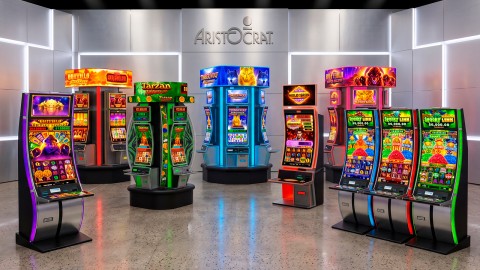
Current situation of casino machine imports in Mexico: Analysis from GAT Mexico
⏱ 4 min read
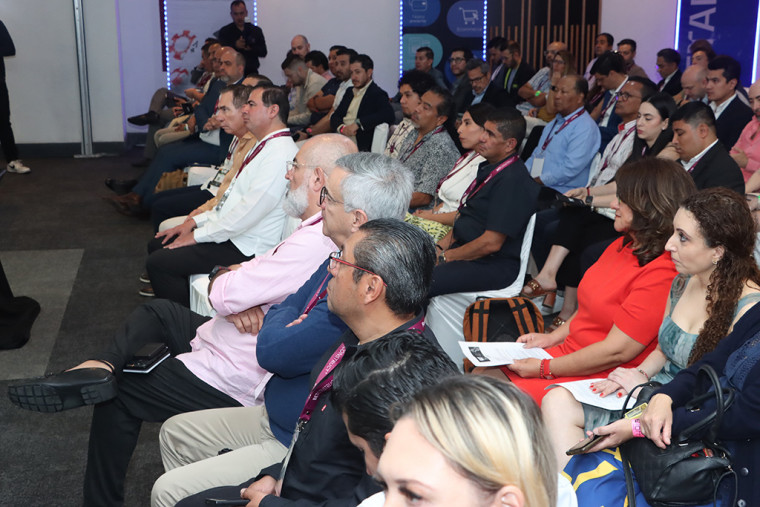
(Cancun, SoloAzar Exclusive) - Gaming & Technology Expo (GAT) made its debut in sunny Cancun, on 26 and 27 November. During the event, Rodrigo Galván, from L&BC Abogados, gave a lecture on the current situation of the importation of casino machines in Mexico. Below are the highlights of his presentation.
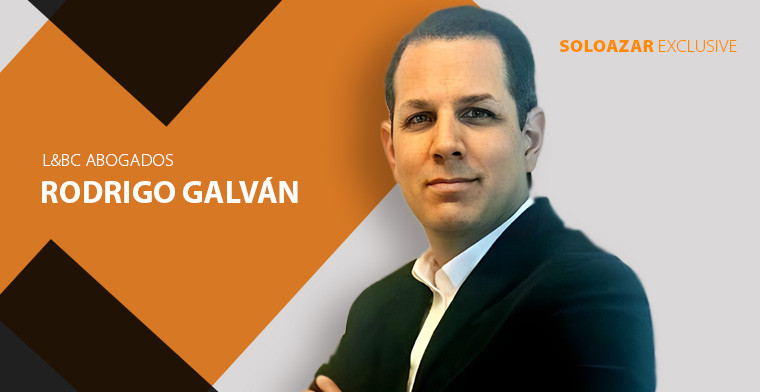
Rodrigo Galván began the conference by addressing the ‘controversial issue of the outcome of the regulatory reform that was issued at the end of 2023’.
He explained that the reform ‘generated different prohibitions, as you know, including the approval of section 17bis of article 3 of the regulation that allowed raffles or symbols through machines’. They also strengthened section 12bis, which establishes the prohibition of slot machines. ‘Both prohibitions were made clear in this reform,’ said Galván, supporting the idea of how the regulatory framework evolved to restrict these activities.
Reform challenges: rejections and import delays
After the ban on gaming and raffles, but not explicitly in the area of foreign trade, the main problems arose from the Ministry of Economy towards companies importing casino machines. Galván detailed them as follows:
- Rejections in the automatic notifications: ‘The main problem was the rejections in the automatic notifications of the Ministry of Economy regarding import requests, arguing that the slots did not comply with the new requirements of the aforementioned decree,’ Galván explained.
- Lack of legal clarity: Galván stressed that this lack of clarity is due to the use of the 2023 reform as a justification to deny rights: ‘There is a lack of clarity, in terms of foreign trade, because there is no explicit prohibition, and the authorities have been using the decree, last year's reform, to deny us rights’.
- Administrative silence: Another obstacle pointed out by Galván is administrative silence: ‘In some cases, the authorities have not issued resolutions on requests for automatic import notifications, generating significant delays in the processes. This bureaucratic inaction has hindered the normal development of commercial operations’.
What did the federal judges say about this?
- Interpretation of article 2: The judges determined that ‘article 2, section 2 of the law, by indicating the draws, the number of symbols organised through machines, were understood, let's say, within the concept mentioned therein, of draws, so they are permitted by law’.
- Deadlines for automatic notices: They indicated that the authorities are ‘obliged to resolve, according to the deadlines for automatic notice procedures, which vary between 13 and 15 days for this’.
- Provisional and definitive suspensions: Finally, they stated that ‘provisional suspensions were granted, in some cases, not all, but in some cases provisional and definitive suspensions were granted, granting this measure against these articles of regulation, allowing the companies to operate and import the machines while the matter was being resolved’.
What were the effects of these challenges?
Favourable results
Rodrigo Galván explained that favourable rulings were decreed, highlighting that ‘favourable results were decreed, the unconstitutionality in the first instance rulings, in general terms, and some second degree rulings already obtained, where the unconstitutionality of the prohibition of sweepstakes through machines was decreed, as well as the preceding articles already mentioned’.
Unfavourable results
However, not all cases were successful. According to Galván, ‘there were those who did not meet the same fate, and basically the analysis made by the judges in those cases was to determine that the complainants had not accredited the legal interest, evidencing a direct and real affectation of their interests’. In addition, he noted that ‘the judges also considered the risk of unlawful use of the machines as part of the public order of social interest, which is considered a risk factor in the judges’ consideration’.
CEVO guidelines for importation
Galván explained that in August this year, CEVO guidelines emerged that seek to regularise and facilitate the importation of machines, indicating that ‘these guidelines refer only to commission agents and operators to legally access the machine’. He added that ‘the aim is to guarantee legality and control, emphasising that those who have the appropriate permit can operate them’.
Import requirements
Regarding the requirements, he stated that ‘it was established that the procedure must be carried out through the automatic notices of the Ministry of Economy, which are written and free of charge’. In addition, he mentioned that ‘a series of documents are requested, such as the details of the permit, justifying why the machines are going to be imported, listing the machines to be imported, and accompanying invoices, mortgages, contracts with suppliers’.
Galván insisted that ‘these guidelines are a little contradictory in relation to what the reform established regarding prohibitions, but they could be used favourably in legal proceedings, if they are brought by private individuals, knowing how to take advantage of them’.
Brief summary of the import procedure
1. In the first phase, the dossier is drawn up.
2. In the second phase, the documentation is reviewed and validated.
3. In the third phase, the import payment is reported and captured. Galván explains that the wage classification is carried out, which ‘by the way, has not undergone any changes or major restrictions’. As mentioned, ‘there has been no express prohibition on foreign trade’.
4. In the fourth phase, the machines are cleared for delivery to the importer.
Recommendations for importation
- First review of the automatic notices: it takes 13 to 15 days, and the judges obliged the authority to issue a response within that time.
- Customs procedure: which includes the preparation and delivery of documents, takes 2 to 3 working days.
Inspection: is random and, depending on the type of access, can take between 1 and 4 working days. - Total estimated processing time: 16 to 22 working days, provided the documentation is correct and there are no obstacles.
Final considerations
According to Rodrigo Galván, success in importing and in lawsuits depends on having all the documents for the process, such as ‘the notices we have already mentioned, import, permits, invoice, list of packages, import method, receipts, among others’.
As for the legal approach, Galván stresses that it is necessary to ‘design a sufficiently solid legal strategy’ to demonstrate that, despite not fully complying with the regulation, the supplier does suffer a real affectation, based on its ‘corporate purpose authorised in its statutes’.
Categoría:Events
Tags: GAT EXPO Gaming & Technology,
País: Mexico
Región: Central America and Caribbean




Event

SiGMA North America 2026
01 de September 2026
"Technology can be global, but execution in LATAM must be local": Borut Leban on Timeless Tech's Regional Expansion
(Mexico City, SoloAzar Exclusive).- Following a highly successful showing and a 'Best Aggregator 2026' award at SiGMA North America, Timeless Tech CEO Borut Leban reflects on the company's strategic growth across LatAm. In this interview, Leban discusses the necessity of deep market localization, concrete new business opportunities, and the upcoming launch of their unified retention ecosystem, Timeless Arena.
Friday 18 Sep 2026 / 12:00
BSW Highlights Validation and Growth Opportunities in the LATAM iGaming Market
(Mexico City, SoloAzar Exclusive).- In Q&A with SoloAzar, Betting Software (BSW) Head of Digital Marketing Ilia Chumak discussed the company's standout showcase in SIGMA North America. Highlighting the incredible energy of the region, Chumak noted that the event was a major success for BSW, resulting in active negotiations and verifying multiple deals straight from their booth.
Friday 18 Sep 2026 / 12:00
SiGMA North America Explores Affiliate Marketing After Sports Events
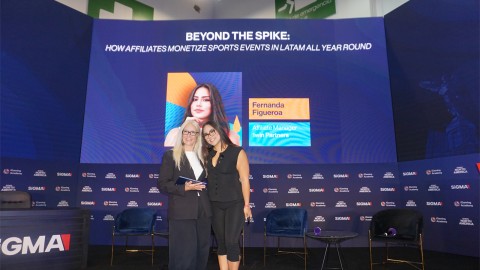
(Mexico City, SoloAzar Exclusive).- At SiGMA North America 2026, Fernanda Figueroa, Affiliate Manager at 1win Partners, examined how affiliates can monetize sports events in LATAM beyond the initial traffic spike. During the conference “Beyond the Spike: How Affiliates Monetize Sports Events in LATAM All Year Round,” she discussed sports betting traffic, player retention, campaign localization and audience segmentation as key elements for extending the value of major sporting events.
Friday 18 Sep 2026 / 12:00
SUSCRIBIRSE
Para suscribirse a nuestro newsletter, complete sus datos
Reciba todo el contenido más reciente en su correo electrónico varias veces al mes.