SBC Summit Europe: The Main Regulatory Challenges Facing European Gambling Markets
Thursday 12 de November 2026 / 12:00
⏱ 4 min read
(Amsterdam).- With 27 European countries operating some form of multi-licensing for online gambling, regulators face common challenges involving black-market competition, player protection and affiliate oversight. SBC Summit Europe will bring industry stakeholders together to discuss these issues in Amsterdam in April 2027
Channelisation and the Fight Against the Black Market
Keeping players within the licensed gambling market remains one of Europe's biggest regulatory challenges. Although enforcement against illegal operators is essential, regulators must also ensure that licensed platforms remain competitive and attractive to consumers.
Germany illustrates this balance. A study commissioned by the GGL estimated that 77.03% of online gambling activity takes place within the regulated market, leaving almost 23% outside it.
In response, the regulator introduced a temporary framework allowing qualifying players to place higher virtual-slot stakes under additional monitoring requirements. From July 2026, eligible players aged 21 and over could access stakes above the standard €1 limit, reaching up to €3 or €5 depending on the applicable requirements. The framework will remain in place until the end of 2027, when the GGL will assess its impact.
The Netherlands faces a different situation. According to the KSA's spring 2026 monitoring report, around 91% of players used legal operators, but regulated businesses accounted for only 53% of gambling revenue.
Meanwhile, research by the UK Gambling Commission identified more than 1,000 illegal gambling websites accessed by consumers between May 2024 and July 2025.
The UK regulator has also increased enforcement, issuing disruption notices and referring hundreds of thousands of URLs to search engines for removal.
These examples highlight the importance of combining enforcement measures with regulatory frameworks that allow licensed operators to compete effectively.
Finding the Right Balance in Player Protection
Deposit limits, affordability checks and self-exclusion tools are essential to reducing gambling-related harm. However, regulators must consider whether overly restrictive measures could encourage some consumers to turn to unlicensed platforms.
The Netherlands provides an example of this challenge. Since October 2024, operators have been required to contact customers seeking to exceed certain monthly deposit thresholds. They must also assess affordability when deposits surpass established limits. The measures were introduced to strengthen online gambling protection.
The KSA reported positive results, with the proportion of players depositing above those thresholds falling from 9.7% to 2.2%. Average monthly losses per player account also decreased by 31% during the first eight months after implementation, according to the regulator's assessment.
However, the measures also affected licensed operators' revenue and contributed to declining channelisation when measured by gambling expenditure, as acknowledged by KSA Chair Michel Groothuizen in a speech in October 2025.
Other countries have adopted different strategies. Germany is testing greater flexibility in virtual-slot stakes, while Great Britain has introduced financial vulnerability checks and plans more detailed financial risk assessments for higher-spending customers.
Although their approaches differ, all three jurisdictions face the same challenge: strengthening player protection without pushing consumers towards the illegal market.
Affiliate Regulation: Who Should Be Responsible?
Affiliate oversight is another important issue across European regulated markets. The main debate concerns whether affiliates should be directly licensed or whether responsibility should fall on the gambling operators they promote.
Romania follows a direct licensing model. Affiliates must obtain a Class II licence from the ONJN, paying an annual fee of €20,000 and a €15,000 responsible gambling contribution, in addition to an initial licence issuance fee. Further details are available in the Romania Gaming Law guide.
The UK takes a different approach. Affiliates do not require a dedicated gambling licence, but operators are responsible for ensuring that their advertising partners comply with regulatory requirements under the Gambling Commission's Licence Conditions and Codes of Practice.
These models reflect two different approaches to accountability: direct supervision of affiliates or making licensed operators responsible for third-party activities.
For other European jurisdictions, the challenge is determining which framework provides effective oversight without creating unnecessary barriers to participation in the regulated market.
European Markets Share Challenges but Require Different Solutions
Germany, the Netherlands, Great Britain and Romania demonstrate that there is no single regulatory model that can be applied across Europe.
Differences in player behaviour, market conditions and regulatory priorities mean that each jurisdiction must find its own balance between consumer protection, commercial competitiveness and effective enforcement.
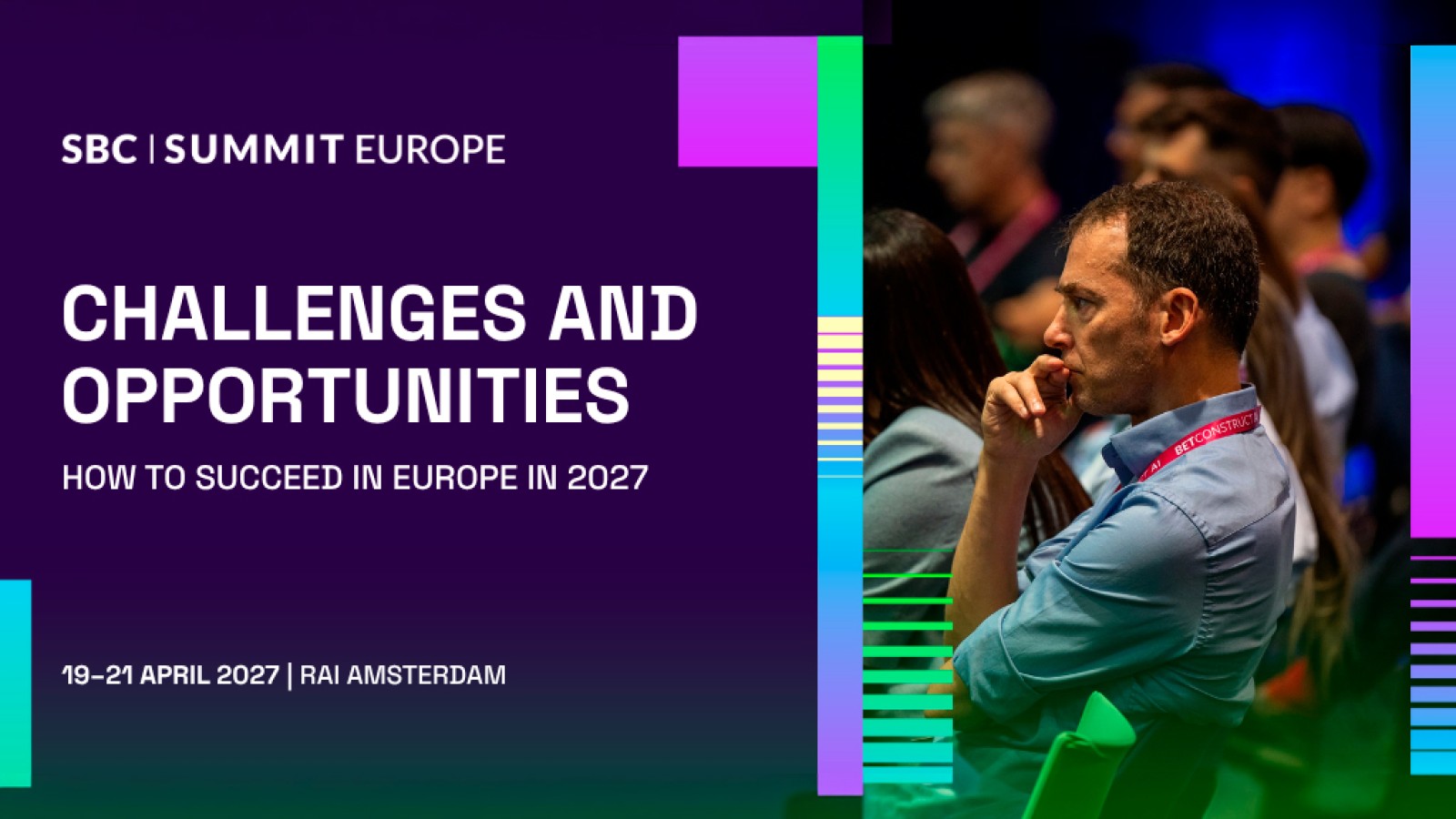
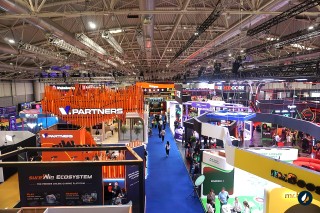
These issues will be among the topics discussed at SBC Summit Europe, taking place at RAI Amsterdam from 19 to 21 April 2027.
The event will bring together operators, regulators, policymakers, suppliers and other industry stakeholders to exchange experiences and explore solutions to the challenges facing Europe's regulated gambling markets.
About SBC Summit Europe
SBC Summit Europe will take place from 19 to 21 April 2027 at RAI Amsterdam in the Netherlands. The event expects approximately 8,000 attendees, including more than 3,000 licensed operator representatives.
Its agenda will cover channelisation, black-market competition, taxation, advertising restrictions, player protection, licensing, compliance, payments, artificial intelligence and technological developments.
Dedicated sessions will examine individual European jurisdictions as well as broader regulatory trends affecting the continent.
For further information, visit the SBC Summit Europe attendee overview or check the conference agenda.
Operators, regulators and qualifying affiliates can also register their interest in attending.
Categoría:Events
Tags: Sin tags
País: Netherlands
Región: EMEA




Event









SiGMA World 2026
02 de November 2026
Driving Engagement in the European iGaming Market: Habanero Insights Interview
Wednesday 11 Nov 2026 / 12:00
SiGMA World 2027: Rome Set to Welcome 35,000 Delegates for Third Edition
Tuesday 10 Nov 2026 / 12:00
Novomatic Italia at SiGMA World 2026: The Value of Dialogue to Build the Future of the Sector
Tuesday 10 Nov 2026 / 12:00
SUSCRIBIRSE
Para suscribirse a nuestro newsletter, complete sus datos
Reciba todo el contenido más reciente en su correo electrónico varias veces al mes.