SiGMA North America Explores Affiliate Marketing After Sports Events
Friday 18 de September 2026 / 12:00
⏱ 5 min read
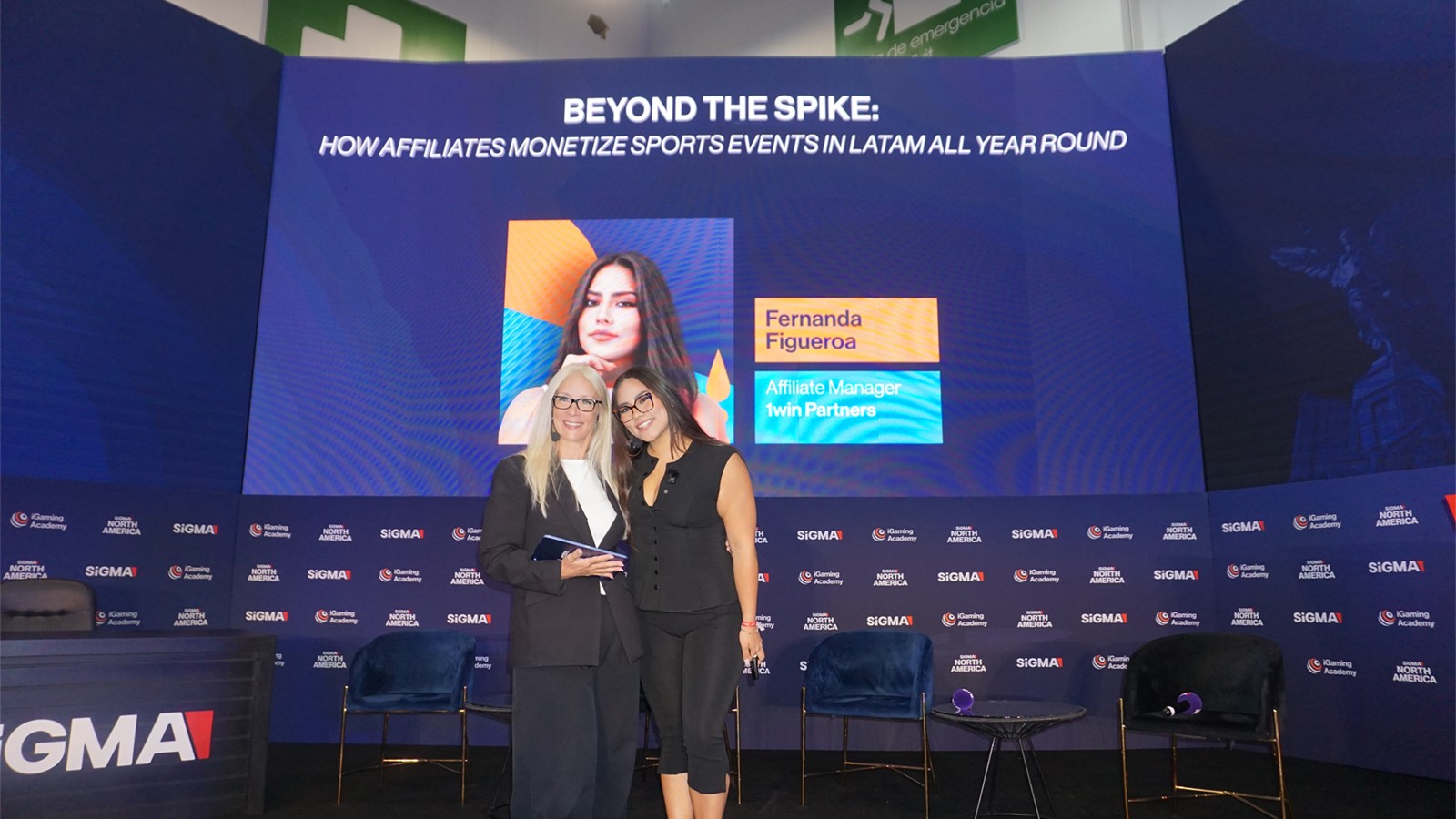
(Mexico City, SoloAzar Exclusive).- At SiGMA North America 2026, Fernanda Figueroa, Affiliate Manager at 1win Partners, examined how affiliates can monetize sports events in LATAM beyond the initial traffic spike. During the conference “Beyond the Spike: How Affiliates Monetize Sports Events in LATAM All Year Round,” she discussed sports betting traffic, player retention, campaign localization and audience segmentation as key elements for extending the value of major sporting events.
Sports Events in LATAM Generate Short-Term Traffic
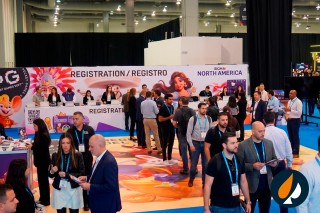
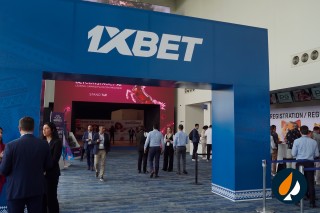
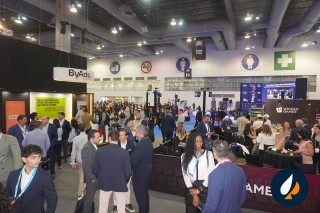
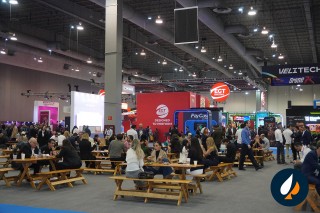
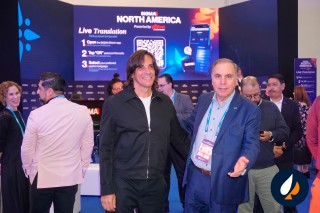
Held from September 1 to 3 at Centro Banamex in Mexico City, SiGMA North America 2026 brought together more than 4,000 delegates from the gaming, iGaming, fintech and technology sectors.
Against this backdrop, Figueroa focused on one of the central challenges for affiliate marketing: what happens to players after a major sports event ends.
She opened the conference by asking the audience to look beyond registrations and initial deposits.
“How many activities that you participate in the world of e-tourism are still active today?” she asked, highlighting the importance of identifying how many users return, make a second deposit and participate again during the next event.
According to Figueroa, major sports events in LATAM can produce significant increases in traffic, registrations and deposits. Events such as the World Cup, the Copa Libertadores and international football matches can create a strong incentive for users to act immediately.
“Traffic is up, registrations are up,” she explained.
However, the Affiliate Manager pointed out that the initial performance of a sports betting campaign does not necessarily determine its long-term value.
Why Sports Betting Traffic Needs to Be Measured Beyond Acquisition
Figueroa explained that sports events can attract different types of users. Some may have a genuine interest in betting, while others may only be interested in a specific match or tournament.
“An event usually comes with one specific motivation to get in and out,” she said.
As a result, two users acquired during the same sports event may initially look similar in campaign data but behave very differently afterward.
For affiliates, Figueroa suggested measuring performance beyond the initial acquisition stage, including activity on Day 7 and Day 30, repeat deposits and whether players return for subsequent sports events.
The objective is to understand whether the traffic generated by a major event can translate into longer-term player retention.
A Brazil Campaign Shows the Impact of Localization
During the presentation, Figueroa shared a Brazil case study comparing campaign performance during a normal week with a period surrounding a major football event.
The normal week generated approximately 96,000 clicks. During the event period, the campaign budget increased by 55%, while the click-through rate rose and cost per acquisition fell from approximately $22 to around $17.
However, Figueroa noted that the CPM also increased.
“This means that the traffic itself did not get cheaper,” she explained. “The users simply found a way to move faster through the funnel because they had a reason to act right now.”
The case study then compared different campaign setups to examine how localization could affect sports betting traffic.
One campaign used a broad approach, with a general sports page and a bonus included in the main message. Another setup focused on a specific local event, betting market and time period.
The localized campaign generated fewer clicks but more depositors. Its click-through rate increased by almost five percentage points, while the cost per acquisition fell from approximately $21 to $13.50.
“The closer we are to what the user really wants, the better we can understand why they are here and where we can take them next,” Figueroa said.
Player Retention Becomes the Next Challenge
According to the figures presented, the difference between the campaigns remained visible after the initial acquisition period.
After 30 days, approximately 4% of players from one campaign remained active, compared with around 5% from the localized setup. The repeat-event rate also increased from approximately 29% to 39%.
The figures illustrated another challenge for affiliate marketing around sports events: even when acquisition improves, a significant share of users may not remain active.
Figueroa therefore proposed analyzing the behavior of the players who remain active and adapting future communications to their individual profiles.
Audience Segmentation for Sports Betting Campaigns
With an audience of more than 4,000 players in the example presented, Figueroa divided users into four broad groups.
The first consisted of players who joined because of a national team and could disappear once that team was no longer involved.
The second group included regular sports bettors with several interests and multiple active days on the product.
The third group comprised live and passive users, while the fourth consisted of bonus-driven users whose primary motivation was promotional offers.
“Each of them needs their own reason to come back,” Figueroa said.
For users motivated by a national team, affiliates could promote another relevant team, a familiar club, a domestic league or another major national football match.
Regular sports bettors, meanwhile, could be connected with a sequence of tournaments and competitions in order to maintain engagement.
For live users, the approach could be different. If behavioral data shows that a player prefers short betting cycles and repeatedly returns to the product during an evening, Figueroa suggested that other products, such as casino or crash games, could be considered.
“But the behavioural signal is what matters the most,” she emphasized.
Localization Goes Beyond Language
Figueroa also stressed that localization in affiliate marketing should go beyond simply adapting a campaign to a particular country.
The match, timing, betting market, creative and overall message can all be adapted to the specific motivation behind a player's activity.
She also highlighted the importance of caution when using audience segmentation and behavioral information, particularly in relation to data sharing and privacy.
The Sports Calendar Can Extend Player Engagement
Another key point of the conference was the relationship between sports events in LATAM.
Rather than treating every tournament as an isolated acquisition opportunity, affiliates can look at the sports calendar as a continuous sequence of events.
“Big sporting events never happen in isolation,” Figueroa said.
The calendar discussed during the presentation included a succession of football competitions and major sporting events from September through October, followed by Formula One events in Mexico City and South Florida, as well as major South American finals.
This sequence allows affiliates to consider the next relevant event while the current campaign is still active.
“If you buy a user or a player doing one event, you can already catch it for the next events,” she explained.
For affiliate marketing, this approach shifts the focus from generating a temporary traffic spike to creating a continuous strategy around the sports calendar.
Planning the Next Sports Event Before the Current One Ends
Figueroa concluded by emphasizing that affiliates should not end their campaigns when a major sports event finishes.
Instead, they should monitor player activity at Day 7 and Day 30, evaluate repeat deposits and identify the next relevant sporting event that could bring users back.
Her recommendations also included deeper localization, with campaigns adapted to the specific match, time, betting market and creative message.
The underlying strategy is to consider the initial sports event as the starting point of a longer player journey.
“If you're applying for football today, you should be able to identify which risk you will bring back in a week, in two weeks or maybe in a month,” the presentation concluded.
“The real impact of a big sporting event happens after the event is over.”
You can watch this and other full conferences on the SoloAzar YouTube channel.
Categoría:Events
Tags: SIGMA,
País: Mexico
Región: North America




Event

SiGMA North America 2026
01 de September 2026
"Technology can be global, but execution in LATAM must be local": Borut Leban on Timeless Tech's Regional Expansion
(Mexico City, SoloAzar Exclusive).- Following a highly successful showing and a 'Best Aggregator 2026' award at SiGMA North America, Timeless Tech CEO Borut Leban reflects on the company's strategic growth across LatAm. In this interview, Leban discusses the necessity of deep market localization, concrete new business opportunities, and the upcoming launch of their unified retention ecosystem, Timeless Arena.
Friday 18 Sep 2026 / 12:00
BSW Highlights Validation and Growth Opportunities in the LATAM iGaming Market
(Mexico City, SoloAzar Exclusive).- In Q&A with SoloAzar, Betting Software (BSW) Head of Digital Marketing Ilia Chumak discussed the company's standout showcase in SIGMA North America. Highlighting the incredible energy of the region, Chumak noted that the event was a major success for BSW, resulting in active negotiations and verifying multiple deals straight from their booth.
Friday 18 Sep 2026 / 12:00
SiGMA North America Explores Affiliate Marketing After Sports Events
(Mexico City, SoloAzar Exclusive).- At SiGMA North America 2026, Fernanda Figueroa, Affiliate Manager at 1win Partners, examined how affiliates can monetize sports events in LATAM beyond the initial traffic spike. During the conference “Beyond the Spike: How Affiliates Monetize Sports Events in LATAM All Year Round,” she discussed sports betting traffic, player retention, campaign localization and audience segmentation as key elements for extending the value of major sporting events.
Friday 18 Sep 2026 / 12:00
SUSCRIBIRSE
Para suscribirse a nuestro newsletter, complete sus datos
Reciba todo el contenido más reciente en su correo electrónico varias veces al mes.