Sportradar explains Why the 2026 World Cup Could Transform Betting in Latin America
Tuesday 02 de June 2026 / 12:00
⏱ 6 min read
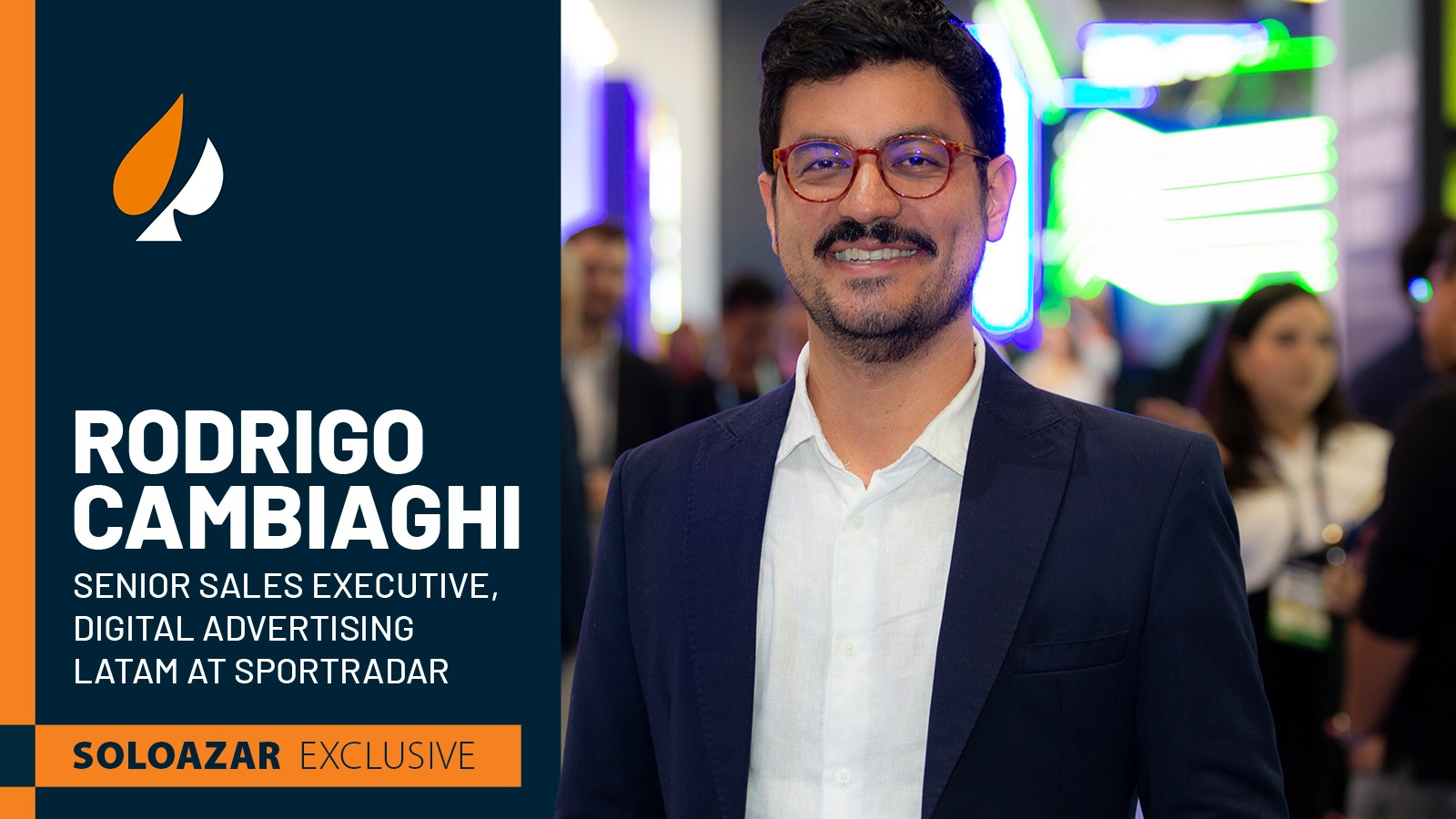
(St. Gallen, SoloAzar Exclusive).- Rodrigo Cambiaghi, Senior Sales Executive, Digital Advertising LatAm at Sportradar, explains how artificial intelligence, real-time data, and “always-on” strategies are transforming advertising and user acquisition ahead of the 2026 World Cup, a tournament that could redefine the global sports betting market.
Why do you believe the 2026 World Cup will be a turning point for the sports betting industry in Latin America?
"The World Cup represents a turning point for the sports betting industry in Latin America because it combines unprecedented scale, audience engagement, and market maturity at a moment when the region is rapidly becoming one of the most important regulated betting markets in the world.
This will be the largest World Cup in history, featuring 48 national teams and 104 matches, creating significantly more opportunities for fan engagement, customer acquisition, and real-time betting activity. At the same time, Latin American markets such as Brazil are evolving quickly from a regulatory and technological perspective, driving major investments in data, personalization, and digital advertising strategies.
What makes this tournament particularly different is that operators are no longer competing only through bonuses or media spending. Success will increasingly depend on how effectively they use real-time data, AI-driven personalization, and dynamic marketing to engage fans during emotionally charged moments throughout the tournament.
Operators that can activate campaigns around live moments — such as goals, momentum shifts, or major player performances — will have a significant competitive advantage in acquisition, retention, and long-term customer value."
What differences do you expect compared with previous tournaments such as the 2022 FIFA World Cup in Qatar, the 2024 Copa América, or UEFA Euro 2024?
"What makes the 2026 edition fundamentally different from previous tournaments such as Qatar 2022, Copa América 2024, or Euro 2024 is its scale, structure, and the maturity of the digital betting ecosystem surrounding it.
First, this will be the largest tournament in football history, with 48 teams and 104 matches played across three host countries. That creates far more betting inventory, longer engagement cycles, and significantly more opportunities for operators to activate campaigns throughout the 39-day competition.
Second, fan behavior has evolved dramatically since Qatar 2022. Today’s audiences consume sports across multiple screens simultaneously, engaging through social media, streaming platforms, live stats, and second-screen experiences in real time. As a result, operators must move beyond static campaigns and adopt “always-on” strategies powered by live data and dynamic creative optimization.
Another major difference is the role AI and automation will play. During Euro 2024 and Copa América 2024, operators already achieved substantial improvements in acquisition and efficiency by activating campaigns around live match moments and optimizing spend dynamically throughout the tournament.
In 2026, those capabilities will become central to competitive strategy rather than optional innovation."
Metrics and the “Battle for CPA”
What metrics will be most important for measuring the success of a World Cup campaign?
"CPA will remain an important metric during the tournament, but it will no longer be enough on its own to define campaign success. Operators are increasingly focused on balancing acquisition efficiency with long-term customer value.
One of the most important KPIs will be customer lifetime value (LTV), as operators look to identify users who continue engaging after the tournament rather than players who are only attracted by short-term promotions or bonuses.
Retention and engagement are also critical metrics, including repeat deposits, betting frequency, session duration, and responsiveness to personalized campaigns throughout different stages of the tournament.
At the same time, operators will closely monitor real-time campaign efficiency. The ability to dynamically optimize spend across channels based on match momentum, audience behavior, and live sporting narratives will become a major competitive advantage.
The World Cup will reinforce that success is no longer just about acquiring the highest number of users, but about acquiring the right users in the most efficient and sustainable way possible."
What is the “battle for CPA” all about?
"The “battle for CPA” refers to the growing competition between operators trying to acquire the same users during major sporting events like the 2026 World Cup. As more brands increase their media spending simultaneously, acquisition costs naturally rise and traditional marketing approaches become less efficient.
For many years, operators relied heavily on broad promotions, bonuses, and large-scale media buying to drive registrations. But in today’s highly saturated environment, simply spending more no longer guarantees better performance.
In many cases, it creates diminishing returns, with multiple operators competing for the same audience and inventory at the same time.
That is why the industry is shifting from volume-based acquisition toward smarter, more efficient customer targeting. Operators are increasingly using real-time data, AI-driven personalization, and dynamic creative optimization to engage users at the moments when attention and purchase intent are highest.
The key competitive advantage now comes from relevance and timing. Campaigns activated around live sporting moments — such as goals, momentum swings, or standout player performances — are significantly more effective than static campaigns that treat every minute of the tournament the same way.
Operators that succeed in the “battle for CPA” will not necessarily be those with the biggest budgets, but those capable of using data, automation, and personalization to acquire higher-quality users more efficiently and sustainably."
“Always-On” Marketing During the World Cup
Could you elaborate on the concept of an “Always-On” strategy and its relevance to the World Cup?
"The “Always-On” approach reflects a major shift in how operators and brands engage audiences during large sporting events like the World Cup. In the past, campaigns were often concentrated around kickoff moments or based on fixed media schedules. Today, fan behavior is far more dynamic, fragmented, and real-time.
During the World Cup, emotions and attention levels change constantly — before matches, during key moments in play, and even after games through highlights, reactions, and social conversations.
Modern sports marketing is increasingly focused on activating around these emotional peaks rather than treating every minute of a tournament the same way.
This is where real-time data and AI become essential. Operators can dynamically trigger personalized creative based on goals, momentum shifts, player performances, or trending stories, ensuring campaigns remain contextually relevant and emotionally engaging."
The Growing Role of AI in Sports Advertising
Will artificial intelligence play a central role in advertising during the 2026 World Cup?
"Yes, absolutely. Artificial intelligence will play a central role in sports advertising during the World Cup, particularly as operators compete in a much more dynamic and saturated digital environment.
AI is transforming how campaigns are created, optimized, and activated in real time. Instead of relying on static ads or pre-planned messaging, operators can now automatically generate personalized creative based on live match events, audience behavior, and betting intent.
For example, campaigns can instantly react to goals, momentum swings, standout player performances, or trending social conversations, delivering contextually relevant ads at the exact moments when fan engagement and emotional attention are highest.
AI is also reshaping personalization at scale. Operators are increasingly using machine learning and behavioral data to better understand customer preferences, predict engagement patterns, and deliver more relevant experiences across multiple channels.
An important evolution is the rise of AI-powered creative automation. Sportradar, for example, already uses GenAI capabilities to dynamically produce localized audio advertising in multiple languages and accents using live sports data integrations."
The Future of Sports Marketing Beyond Sponsorships
Is there anything else you would like to add on this topic?
"This World Cup edition will likely redefine how the industry thinks about sports marketing and customer acquisition. For many years, major tournaments were dominated by operators with the biggest sponsorships and media budgets. Today, technology, data, and AI are helping level the playing field.
What matters now is no longer just visibility, but relevance — delivering the right message, at the right moment, through the right channel.
The operators that succeed will be those capable of transforming live sporting moments into personalized and emotionally engaging experiences for fans.
We are also seeing a broader evolution in fan behavior. Sports audiences increasingly expect seamless, real-time, and highly personalized digital experiences across multiple screens and platforms.
That creates enormous opportunities for operators that can combine sports data, AI, automation, and creative agility into a unified strategy."
Categoría:Exclusive
Tags: Sportradar,
País: Switzerland
Región: EMEA




Event

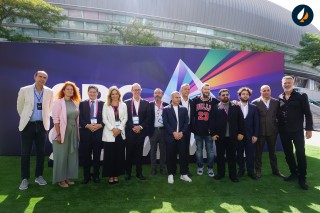

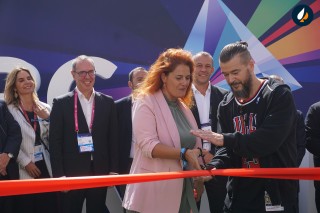
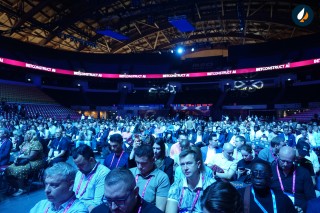
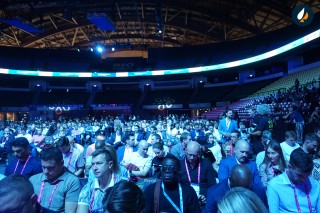
SBC Summit 2026
29 de September 2026
Eeze Drives Latin American Expansion After SBC Summit 2026
Monday 19 Oct 2026 / 12:00
The Future of Sports Engagement Beyond the Court
Friday 16 Oct 2026 / 12:00
Ninja Gaming Focuses on Innovation and Global Growth After SBC Summit
Friday 16 Oct 2026 / 12:00
SUSCRIBIRSE
Para suscribirse a nuestro newsletter, complete sus datos
Reciba todo el contenido más reciente en su correo electrónico varias veces al mes.