California signs two tribal-state gaming compacts
⏱ 2 min read
(California).- California signed two new gaming compacts with the Middletown Rancheria of Pomo Indians of California, and the Redding Rancheria.
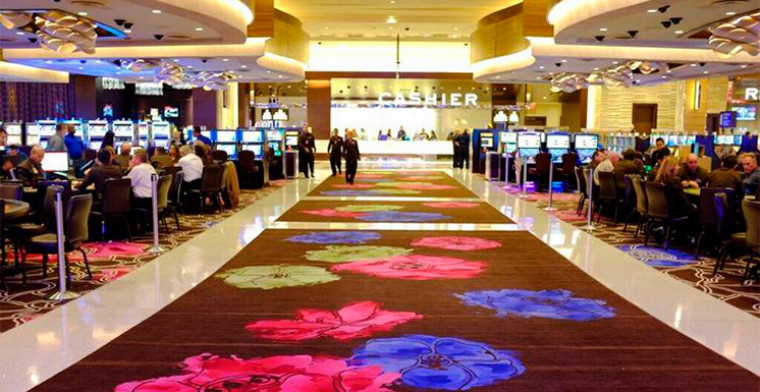
The two native american groups are allowed to operate up to two gaming facilities each on eligible Indian lands for Nevada-style games, slot machines, electronic games of chance, and many banked card games like blackjack. The Tribes would retain the right to acquire more lands for future expansion and negotiate for amendments to authorize gaming on those lands.
The Tribes would be entitled to operate up to a total of 1,200 gaming devices and offer off-track wagering on horse races at a satellite wagering facility.
The Tribes would be entitled to operate up to a total of 1,200 gaming devices and offer off-track wagering on horse races at a satellite wagering facility.
According to the report of PlayCA: “Tribal casinos do not pay taxes like commercial casinos. In California, tribal members who live on the reservation are not subject to state income tax, and tribal casinos do not have to pay corporate income tax. Instead of paying tax, the casinos pay fees into various funds and in some cases help support state and/or local agencies and programs. The amount they pay depends on how much revenue the casinos generate as well as the number of slot machines they operate. Each tribal-state compact determines the precise terms of the tribes’ payments and where those payments go.”
The two newest compacts signed provide for contributions to The Revenue Sharing Trust Fund, the Special Distribution Trust Fund and “The Tribal Nation Grant Fund” created by the Legislature to make discretionary distribution of funds to Non-Gaming Tribes and Limited-Gaming Tribes upon application of such tribes for purposes related to effective self-governance, self-determined community, and economic development.
Still, California’s 85 Tribal casinos generate almost $20 billion for state and local economies, $1.3 billion in revenue-sharing to the state and local governments and 125,000 jobs for Californians.
Prop 27 which would have allowed licensed tribes or gambling companies to offer online sports betting on mobile devices to people 21 years of age and older was voted down by California residents on Nov. 8, 2022.
By Ria Roebuck Joseph
Categoría:Gaming
Tags: casinos,
País: United States
Región: North America




Event










SBC Summit 2026
29 de September 2026
What Onlyplay Learned at SBC Summit 2026
Wednesday 14 Oct 2026 / 12:00
Ready Play Gaming Highlights New Opportunities After SBC Summit 2026
Tuesday 13 Oct 2026 / 12:00
Uplatform Brought "Your Dreams. Our Platform" to Life at SBC Summit Lisbon 2026
Friday 09 Oct 2026 / 12:00
SUSCRIBIRSE
Para suscribirse a nuestro newsletter, complete sus datos
Reciba todo el contenido más reciente en su correo electrónico varias veces al mes.