An increase in gambling taxes approved by French Senate
Tuesday 26 de November 2024 / 12:00
⏱ 2 min read
(Paris).- The French Senate has sanctioned tax hikes on gambling to boost social security funding and reduce national debt. The 2025 Social Security Financing Bill was initially tabled in October. Media speculation suggested an increase to gambling taxes would be included, but the industry ended up being spared in the initial version of the bill.
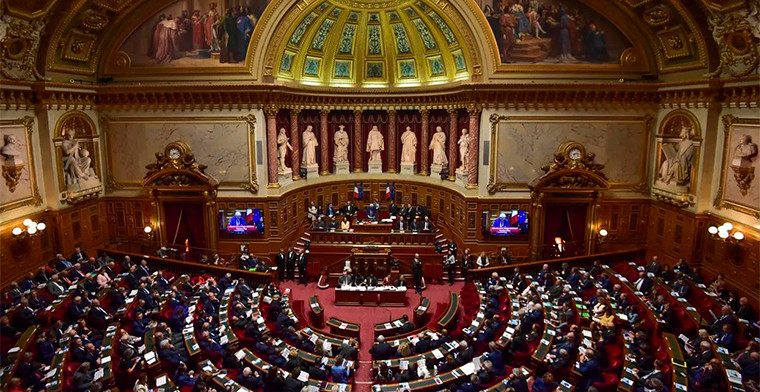
The 2025 Social Security Financing Bill was initially tabled in October. Media speculation suggested an increase to gambling taxes would be included, but the industry ended up being spared in the initial version of the bill. However, a number of amendments made since have included increases to gambling taxes and last week the senate voted to approve the final version of the bill, causing concern amid French gambling operators.
Senator Elisabeth Doineau tabled an amendment to Article L136-7-1 of France’s Social Security Code which will increase the tax on online casino from 11.2% to 11.9%.
The rate on lottery games will also be increased from 6.2% to 7.2%, while an amendment to Article 137-21 will raise the tax for physical sports betting from 6.6% to 7.6%. However, the tax hike for online sports betting is more severe and contributions to the state will be increased from 10.6% to 15%.
Also notable is a change to Article 137-22 that will increase the tax on lottery gross gaming revenue (GGR) to 10% from the current rate of 8.4%.
Doineau’s amendment noted the strengthening of taxation on gambling in France will aim to “prevent the risk of excessive and pathological gambling”, citing studies that showed a link between the rising popularity of gambling in France and the country’s gambling addiction levels.
The tax rises are anticipated to increase the contributions from gambling to France’s health sector to €1.6 billion (£1.3 billion/$1.7 billion) from €1.2 billion previously.
However, taxes on horse racing were left untouched “so as not to undermine the financial balance of the horse racing industry” the bill said.
How high will the combined taxes be?
In 2019, France’s senate passed a budget bill that would tweak taxes on gambling so they were calculated on GGR rather than turnover.
Prior to these new changes, online and retail operators pay a combined tax rate of 55.2%, but these amendments will increase this rate to close to 60% of GGR.
The tax hike risks harming the impressive performance of the gambling industry in France, where sports betting grew 24% in H1 of this year with €5 billion wagered across the first half of 2024.
Doineau’s amendments claimed in the context of the growing market, the increased taxes on gambling “would improve the fairness of the collection system”.
Categoría:Legislation
Tags: Sin tags
País: France
Región: EMEA




Event
iGaming tech leader Cristina Turbatu commends ICE Barcelona's vision for Hall 7
Tuesday 20 Oct 2026 / 12:00
CGA Showcases Canada’s Competitive Edge at ICE Barcelona
Tuesday 13 Oct 2026 / 12:00
ICE Barcelona Hosts WorldGaming-Backed Nineball Championship in 2027
Tuesday 06 Oct 2026 / 12:00
SUSCRIBIRSE
Para suscribirse a nuestro newsletter, complete sus datos
Reciba todo el contenido más reciente en su correo electrónico varias veces al mes.