Bipartisan U.S. Bill Targets Sports Betting Contracts in Prediction Markets
Monday 27 de July 2026 / 12:00
⏱ 2 min read
(Las Vegas).- Two Nevada lawmakers have joined forces on new federal legislation that could fundamentally alter the prediction market industry by banning all sports-related contracts.
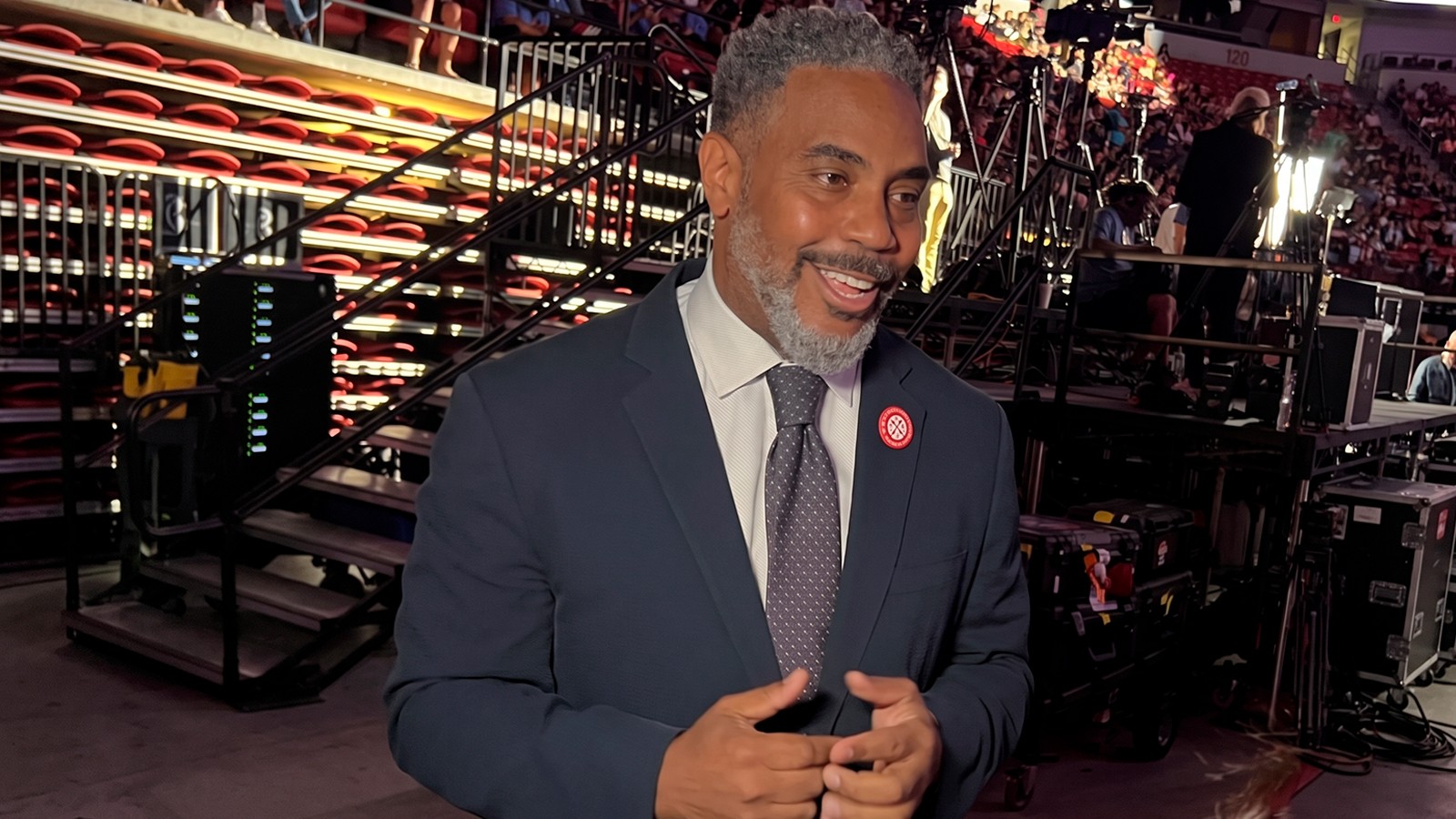
Representatives Steven Horsford (D-Nev.) and Mark Amodei (R-Nev.) introduced the Prediction Markets Are Gambling Act. If passed, the bill would explicitly prohibit platforms like Kalshi and Polymarket from offering sports event contracts unless they comply with individual state sports betting regulations. “Nevada has always been the gold standard for gaming regulations,” said Rep. Horsford. “These companies are exploiting a federal loophole that allows them to effectively sidestep state oversight that every other legal sportsbook must follow.”
A Major Threat to Kalshi and Polymarket’s Core Business Model Amid Bipartisan Efforts
While prediction platforms argue that their event contracts are financial derivatives rather than sports wagers, sports content drives a massive portion of their volume. During the 2026 FIFA World Cup, prediction markets accounted for nearly 25% of all sports betting action taken on matches.
A federal ban would force these platforms to strip sports entirely and pivot back to political, economic, and pop-culture event contracts.
Currently, oversight remains locked in a jurisdictional battle:
The Federal Perspective: The Commodity Futures Trading Commission (CFTC) has traditionally regulated prediction markets alongside financial futures like oil or agriculture.
The State Perspective: State gaming regulators argue these contracts are unregistered sports wagers designed to bypass state licensing, consumer protections, and local gaming taxes.
In gaming hubs like Nevada—where state policy protects 185 land-based sportsbooks and mandates in-person registration for mobile apps—unregulated prediction platforms present a direct threat to tax revenues and brick-and-mortar operations.
Rare Cross-Aisle Consensus in Congress
The movement to curb sports prediction markets is gaining momentum across political lines in both houses of Congress.
In the Senate, a companion effort is backed by Sen. Catherine Cortez Masto (D-Nev.) and Sen. John Curtis (R-Utah). The bipartisan alignment is notable given their states' contrasting gaming policies: Nevada’s economy relies heavily on commercial gaming, whereas Utah prohibits all forms of gambling. Despite these differences, neither state wants prediction platforms operating outside local oversight.
Legislative Outlook and Supreme Court Prospects
While momentum is building, the bill faces an uncertain path forward:
Executive Veto Risk: President Donald Trump has publicly favored prediction markets, making a presidential veto a strong possibility if the bill reaches his desk. However, widespread bipartisan pressure in Congress could shift the administration's position.
Supreme Court Battle: If signed into law, the statute would deal a severe blow to prediction platforms' current legal defenses, likely setting up a definitive showdown at the U.S. Supreme Court.
Timeline: With Congress currently on summer recess, formal debates will not begin before August 31. Given the upcoming midterms, a floor vote may be delayed until a new congressional session, though cross-party opposition to sports prediction contracts keeps the issue at the top of the legislative agenda.
Categoría:Legislation
Tags: Sin tags
País: United States
Región: North America




Event
Casa Italia to Connect Italy's Gaming Industry at ICE Barcelona 2027
Tuesday 27 Oct 2026 / 12:00
iGaming tech leader Cristina Turbatu commends ICE Barcelona's vision for Hall 7
Tuesday 20 Oct 2026 / 12:00
CGA Showcases Canada’s Competitive Edge at ICE Barcelona
Tuesday 13 Oct 2026 / 12:00
SUSCRIBIRSE
Para suscribirse a nuestro newsletter, complete sus datos
Reciba todo el contenido más reciente en su correo electrónico varias veces al mes.