Brazil: STF Concludes Bets Debate Amid Divisions Over Proposed Ban
Wednesday 04 de November 2026 / 12:00
⏱ 3 min read
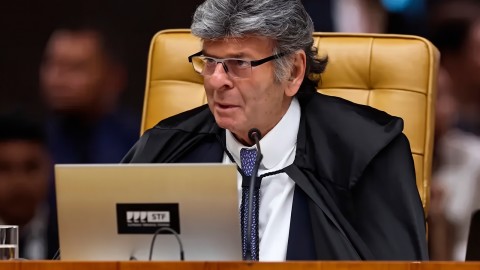
(Brasília).- Brazil’s Supreme Federal Court (STF) concluded on Tuesday, November 3, the public hearing examining the Provisional Measure (MP) seeking to ban online betting in the country. Led by Justice Luiz Fux, rapporteur of the cases related to the issue, the hearing brought together representatives from the government, gaming industry, sports organizations and various sectors of society, highlighting diverging views on the measure’s economic, legal and social implications.
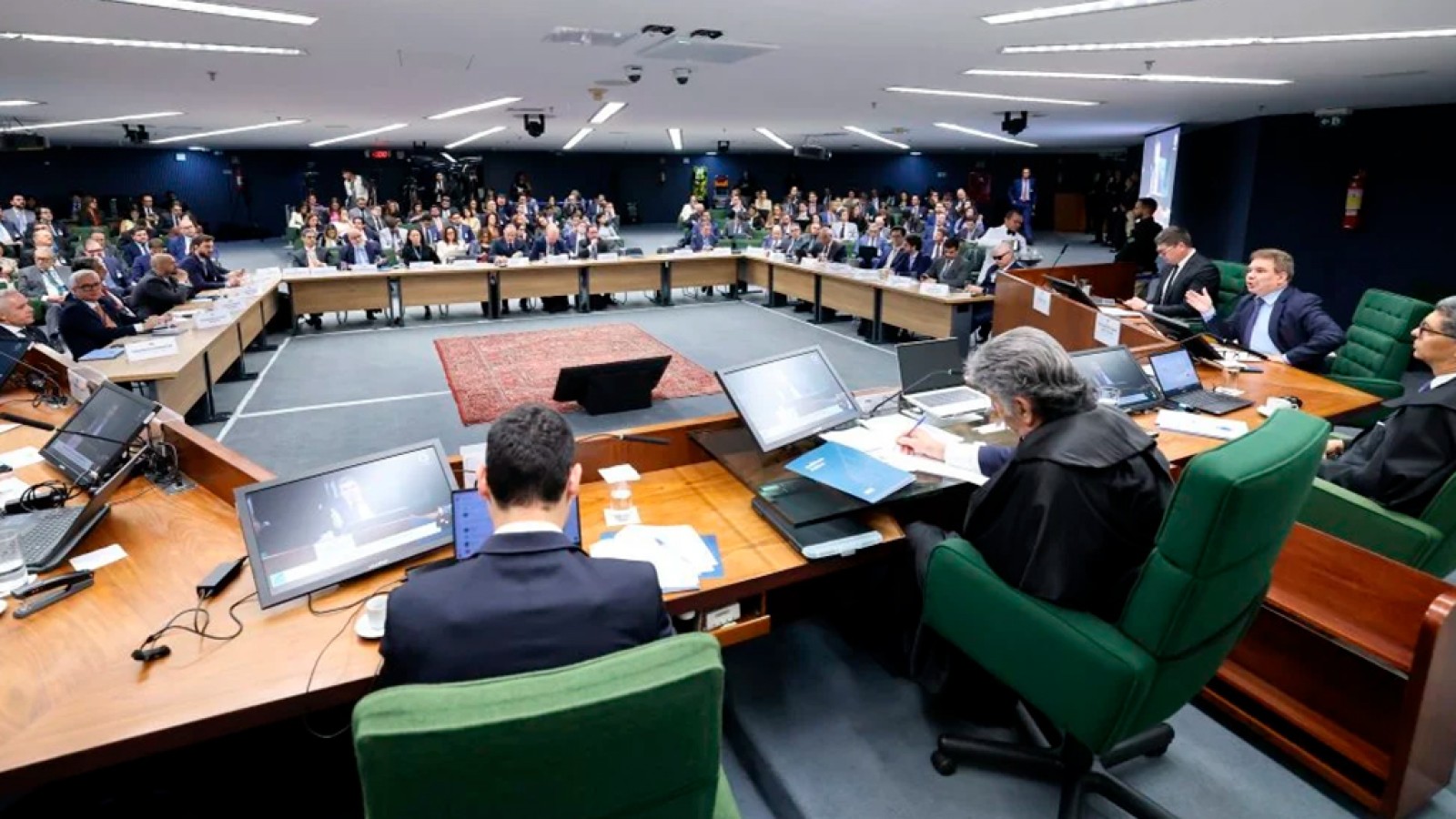
Bets Ban Divides Government and Industry Representatives
The hearing was marked by a clash between arguments supporting a ban on betting activities and positions advocating for the continuation of a regulated market, with consumer protection mechanisms and legal certainty for companies.
During the morning session, representatives of football clubs voiced their opposition to ending betting operations, emphasizing the importance of sportsbook sponsorships in funding teams and warning about potential consequences for employment across the sports sector.
In the afternoon, Health Minister Alexandre Padilha defended the provisional measure, citing the impact of problem gambling on public health.
"For me, the only and best solution to prevent suicide, domestic violence and debt is to ban bets," Padilha stated.
The minister also referred to the difficulties faced by people experiencing gambling-related problems when seeking medical assistance, while highlighting the growing demand for specialized healthcare services.
Along the same lines, Rodrigo Toneto, Undersecretary for Fiscal Policy at the Ministry of Finance, stated that "the problem of betting has become a problem for the entire Brazilian economy." According to him, the debate should not prioritize companies’ financial results over the social consequences of the activity.
Gaming Industry Calls for Regulation and Legal Certainty
Speaking on behalf of the industry, Ana Clara Marques de Barros Santos, representative of the International Gaming Association, argued that maintaining an authorized and regulated market is essential to protecting bettors and providing businesses with predictability.
According to her position, regulation serves as a tool to establish controls over the activity rather than simply pushing it outside the legal framework.
Gustavo Binenbojm, representative of the Brazilian Association of Radio and Television Broadcasters (Abert), also questioned the constitutionality of the measure. In his view, the ban interferes with the principle of free enterprise and raises concerns about the procedures governing users’ funds.
Among the issues he raised were account blocking, the indefinite withholding of balances and the transfer of funds to the federal government.
Organizations Highlight Social Impacts and Question the MP’s Urgency
Other contributions broadened the discussion beyond the betting industry.
Georgia Antony Gomes de Matos, representative of the National Confederation of Industry (CNI) and the Social Service of Industry (Sesi), presented findings from an independent survey on the replacement of in-person leisure activities with digital experiences.
According to her, this shift is particularly noticeable among younger workers and may be associated with issues such as stress, poorer sleep quality and difficulties in interpersonal relationships.
The representative also highlighted the effects of excessive screen time on workplace productivity, including a lack of motivation and absenteeism.
According to data presented by Sesi, each bettor can affect another 4.7 people, extending the consequences of problematic gambling behavior to family members and the wider social environment.
Meanwhile, Alessandra Jirardi, representative of the National Association of Mayors and Deputy Mayors of Brazil, questioned the grounds for declaring the provisional measure urgent, as well as the federal government's interference in matters falling under the jurisdiction of states and the Federal District.
"There is no demonstrated urgency in fact," she stated.
Jirardi also challenged the generalized association between betting, money laundering and organized crime as sufficient grounds for a ban, arguing that these activities are already covered by specific criminal provisions.
Debate Over the Future of Brazil’s Betting Market
The conclusion of the public hearing brought together positions reflecting the complexity of the debate over the future of bets in Brazil. While government representatives emphasized the social and health risks associated with the activity, industry members and other organizations defended regulation as an alternative to ensure consumer protection, legal certainty and the operation of a supervised market.
The statements presented before the STF highlighted key issues for the sector: the limits of state intervention, regulatory jurisdiction, bettor protection and the economic consequences of a potential ban.
With the presentations concluded, the debate now moves toward the legal analysis of the cases under Justice Luiz Fux’s rapporteurship, amid uncertainty over the next steps for Brazil’s online betting market.
Categoría:Legislation
Tags: Sin tags
País: Brazil
Región: South America




Event
Casa Italia to Connect Italy's Gaming Industry at ICE Barcelona 2027
Tuesday 27 Oct 2026 / 12:00
iGaming tech leader Cristina Turbatu commends ICE Barcelona's vision for Hall 7
Tuesday 20 Oct 2026 / 12:00
CGA Showcases Canada’s Competitive Edge at ICE Barcelona
Tuesday 13 Oct 2026 / 12:00
SUSCRIBIRSE
Para suscribirse a nuestro newsletter, complete sus datos
Reciba todo el contenido más reciente en su correo electrónico varias veces al mes.