Brazilian presidential candidates differ on sports betting
Tuesday 29 de September 2026 / 12:00
⏱ 5 min read
(Brasilia, SoloAzar Exclusive).- The ban on bets determined by President Luiz Inácio Lula da Silva last Friday (September 25) placed the future of fixed-odds betting at the center of the Brazilian presidential dispute. The main candidates present different positions on the continuity of the regulated market, while criticism of Lula's decision is mainly concentrated on the timing chosen to issue the Provisional Measure, just nine days before the first round.
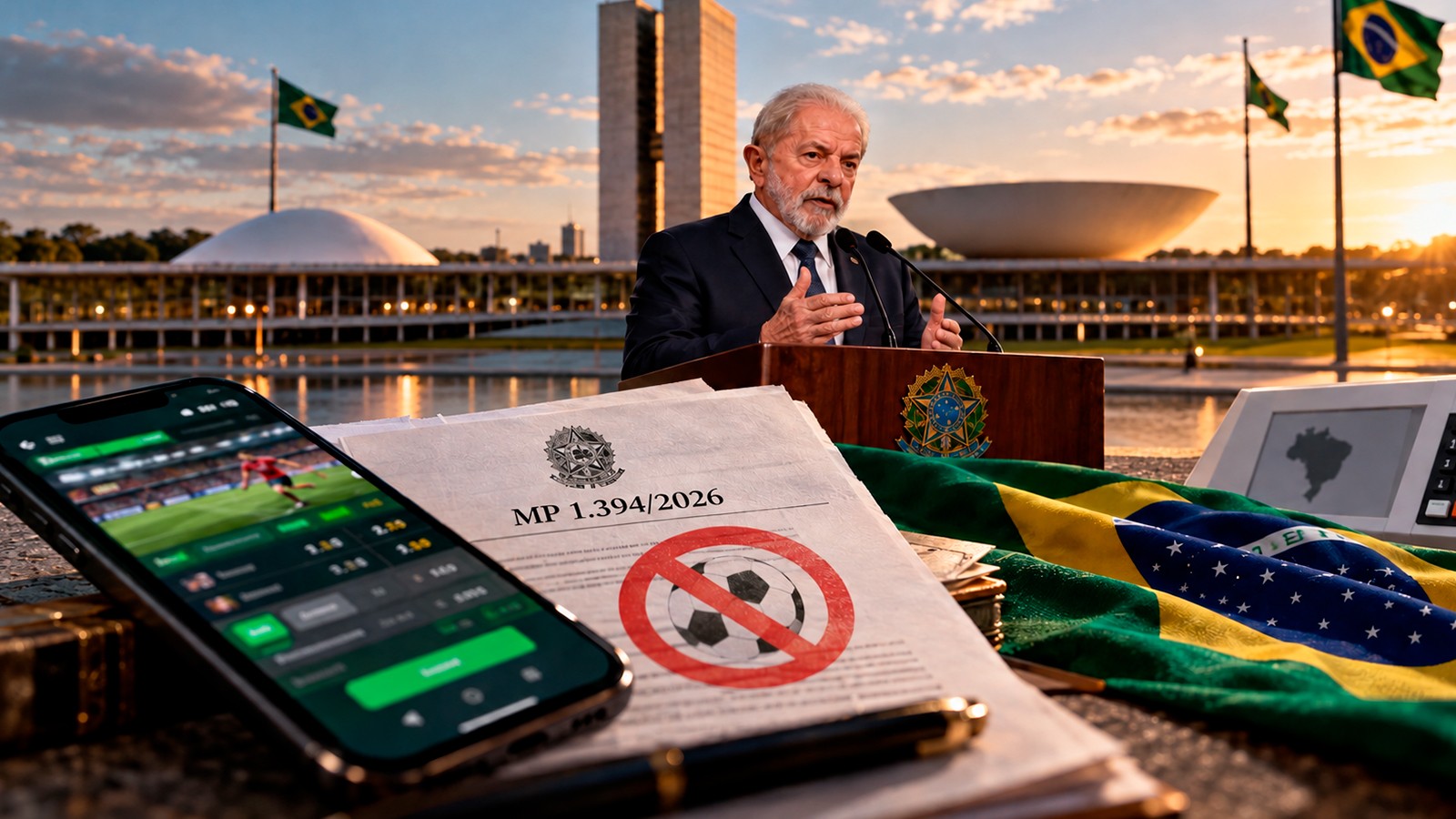
Lula's MP interrupts the regulated betting market
Provisional Measure 1.394/2026 banned the operation, offering, intermediation, and advertising of fixed-odds betting in Brazil, covering both sports betting and online games.
The decision was made through an MP, an instrument that takes effect immediately after its publication, but which still must be analyzed and approved by the National Congress to remain permanently in force.
Lula's presidential government justified the measure primarily due to the impacts associated with debt and public health, as well as the need to combat the illegal betting market. For the iGaming sector, however, the change represents a break with the regulated model developed by the government itself over the last few years.
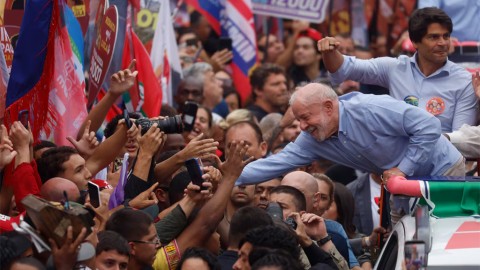
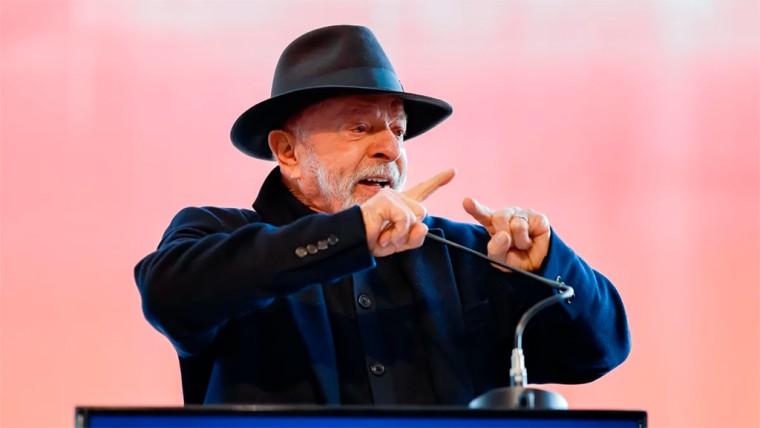
The offensive against betting also took center stage in Lula's campaign, who has associated betting with debt problems and with the so-called "Tigrinho Game."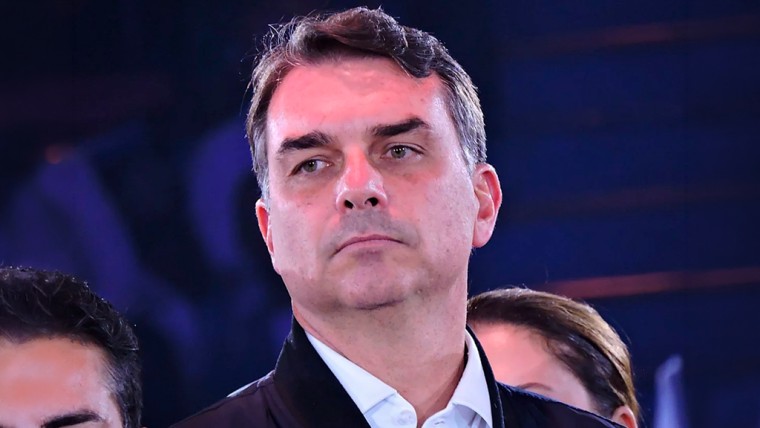
Flávio Bolsonaro differentiates bets from online casinos
Among the main candidates, Flávio Bolsonaro of the PL (Liberal Party) presents the most differentiated position regarding the scope of the ban.
The candidate states he is in favor of shutting down online casinos and modalities like the so-called Tigrinho Game, but maintains a different position regarding sports betting. Following the announcement of the MP, he left open the continuity of sports betting sites and defended a distinction between the two modalities.
Commenting on Lula's decision, Flávio described the measure as "populist, hypocritical, and electioneering," and questioned the adoption of the ban on the eve of the elections. The reaction was recorded by media outlets such as Folha de S.Paulo and Agência Estado.
The candidate also criticized the fact that the government had regulated online betting before opting for the ban. In another statement, he called Lula the "father of Tigrinho," in reference to the expansion of online games during the regulation period.
In this way, Flávio's position combines two different issues: opposition to online casinos and questioning the decision to eliminate sports betting as well.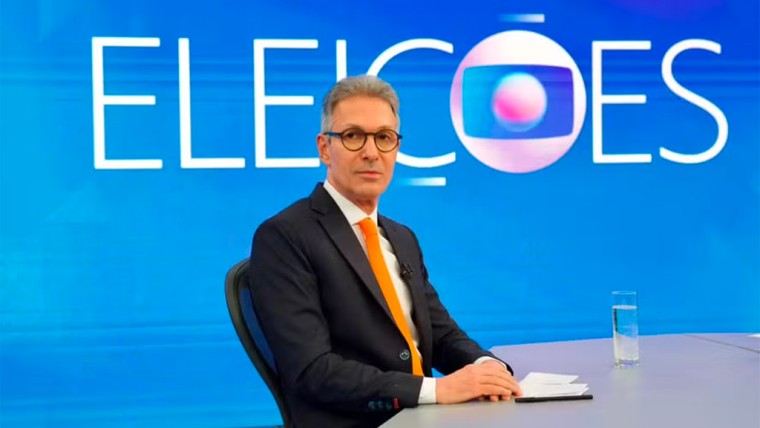
Zema questions the timing of the ban
Romeu Zema, of the Novo party, also criticized Lula's decision, but his position on the market does not coincide with that of Flávio Bolsonaro.
Commenting on the MP, Zema questioned why the government waited until the last days before the elections to adopt a measure of this magnitude.
"Why did they approve the bets at that time? Seeking only to collect revenue, even at the cost of the financial destruction of the humblest people?" he stated during a campaign activity in Varginha.
The candidate called the decision an "electoral aberration." At the same time, his statements on betting show a critical stance regarding the impacts of the market, especially in relation to debt and addiction.
Therefore, in Zema's case, the criticism does not represent a defense of the unrestricted maintenance of betting, but rather focuses on the manner and timing of the government's decision.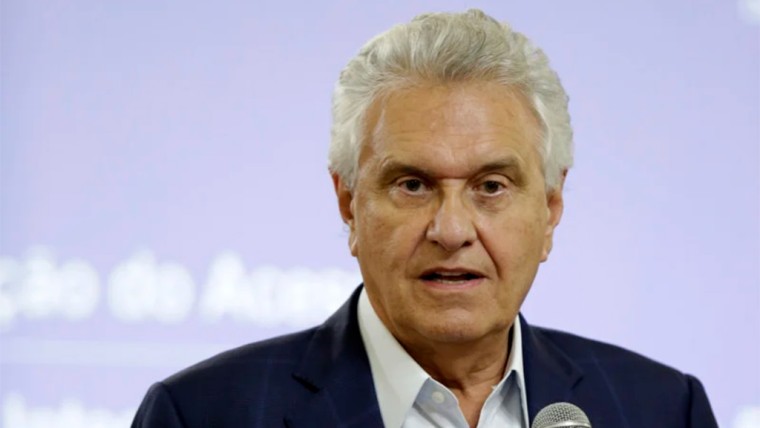
Caiado claims he already defended the end of bets
Ronaldo Caiado, of the PSD, also spoke out in favor of shutting down betting, but questioned the way Lula presented the measure.
The candidate stated that the ban on betting was already part of his government program and rejected the idea that his position had arisen in reaction to Lula's decision.
"I am not an opportunist. It is in my government plan," Caiado stated when defending his proposal to put an end to betting.
His position presents, therefore, an important difference from that of Flávio Bolsonaro: Caiado does not use his reaction to the MP to defend the continuity of sports betting. His divergence is mainly related to the timing and the way the presidential decision was made.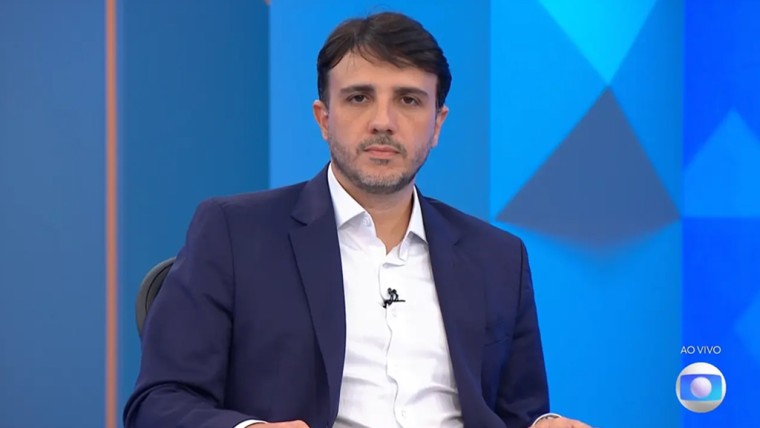
Renan Santos supports the ban, but questions the MP
Renan Santos, of the Missão party, presents another combination between his position on the market and his assessment of the presidential decision.
The candidate stated he is in favor of the ban on betting, but criticized Lula for having issued the MP a few days before the elections. For Renan, the measure should be discussed after the electoral process.
"It's just an electioneering measure by Lula to pretend he cares about Brazilians who are going into debt and becoming addicted to betting," he stated.
Renan also defended the end of online betting and questioned the way the decision was implemented.
In this case, the criticism of the government does not mean a defense of the continuity of the regulated market. The candidate supports the ban, but questions the time when it was implemented and its use in the electoral context.
Different positions on the future of betting
The statements of the five main candidates show that the debate over betting is not simply divided between those who support or reject the ban.
Lula defends the closure of fixed-odds betting and online games as a measure related to debt, public health, and combating the illegal market.
Flávio Bolsonaro establishes a differentiation between the modalities. His position is against online casinos, but he does not express the same opposition to sports betting. His main criticism of the MP is related to the scope of the ban and the moment it was adopted.
Zema, Caiado, and Renan, on the other hand, present positions favorable to broader restrictions or the end of betting. The criticisms of these candidates are mainly focused on Lula's decision to implement the measure in the final stretch of the campaign.
The difference is relevant for the iGaming sector because it brings into discussion two distinct issues: what the future of betting in Brazil should be, and how an eventual change in public policy should be implemented.
The future of betting now depends on Congress
Although the MP is already producing effects, the ban does not represent a final decision made exclusively by the Executive Branch. The National Congress will have to analyze the text so that it can remain permanently in force.
This aspect is particularly relevant for the regulated market, as the MP immediately modifies the legal environment in which authorized operators had been operating.
The future of the measure, therefore, will also depend on the legislative process and the positions adopted in Congress during and after the electoral period.
For the sector, the central question is not only who supports or rejects betting, but what model each candidate intends to adopt in the event that the MP is modified, rejected, or loses its validity in Congress.
With the first round scheduled for October 4, fixed-odds betting has taken a prominent place on the Brazilian electoral agenda, bringing into discussion not only the regulation of the sector, but also the future of the legal market built over the last few years.
Categoría:Legislation
Tags: Sin tags
País: Brazil
Región: South America




Event


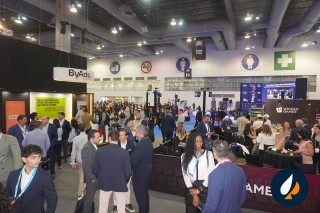

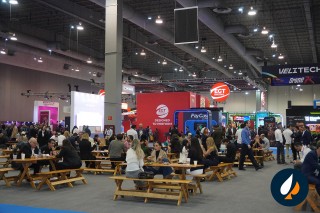
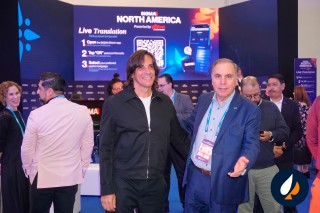
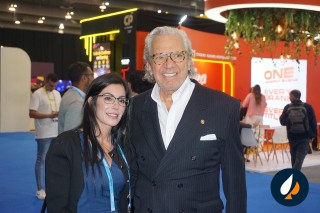
SiGMA North America 2026
01 de September 2026
LatAm Regulators Discussed Illegal Gambling and Innovation at SiGMA North America
(Mexico City, SoloAzar Exclusive).- The panel "The Red Pen Forum: Regulators Respond to the Industry," held during SiGMA North America 2026, brought together representatives from Uruguay, Argentina, Puerto Rico, and Honduras to analyze regulatory challenges, digital transformation, illegal gambling, and the need to adapt lotteries for new generations. The conference was moderated by Rodrigo Cigliutti, Executive Director of CIBELAE (Ibero-American Corporation of State Lotteries and Betting), and featured the participation of Marcelo Visconti, National Director of Lotteries and Quinielas of Uruguay; Carlos Moyano, President of IAFAS Entre Ríos, Argentina; Heidi Hernández Olivo, Deputy Secretary of the Puerto Rico Lottery; and Lissa Mencía, General Director of Lottery Operations and Games at Loto Honduras.
Monday 28 Sep 2026 / 12:00
SiGMA North America Addressed Crisis Management in iGaming
(Mexico, SoloAzar Exclusive).- During SiGMA North America 2026, Rosa Ochoa, founder of the Blue Global Gaming platform and strategic advisor for gaming operators; Iliana María Pineda Echeverri, Chief Legal & Compliance Officer at Wplay.co; Iraid Rosales, Country Manager Mexico at Amusnet; and Elizabeth Maya Cano, Executive President of CORNAZAR, analyzed the key factors in managing crisis situations within the iGaming industry, with a special focus on transparency, communication, technology, and preparation.
Friday 25 Sep 2026 / 12:00
Affiliates and Acquisition: Keys to Regulated Markets in North America
(Mexico City, SoloAzar Exclusive).- During SiGMA North America 2026, Cristopher Guzmán Reyes, Head of Affiliates at Logrand Entertainment Group; Guga Júnior, influencer and slots expert at Scalar Partners; Andrés Gómez, Head of Latin America Go-to-Market Strategy at Admattic; Yambot Aguilera, Gaming and Finance Sales Director at Google; and Paula Gabriel Jiménez, Advertising Client Growth Director for Microsoft at Aleph, analyzed the state and provincial affiliate ecosystem in North America, as well as the acquisition challenges in regulated markets.
Thursday 24 Sep 2026 / 12:00
SUSCRIBIRSE
Para suscribirse a nuestro newsletter, complete sus datos
Reciba todo el contenido más reciente en su correo electrónico varias veces al mes.