California to Enforce Blackjack Ban in Card Rooms from April, Fresno Operators Warn of Revenue and Job Losses
Tuesday 17 de February 2026 / 12:00
⏱ 3 min read
(Fresno).- A statewide ban on certain blackjack-style games in licensed card rooms will take effect on April 1 following the approval of new regulations in California, a move that tribal gaming groups have welcomed but local operators argue could significantly reduce tax revenues and employment.
The regulatory changes, approved by the state’s Office of Administrative Law, stem from proposals by Attorney General Rob Bonta and the Bureau of Gambling Control. They are designed to reinforce the exclusive right of Native American casinos to offer traditional house-banked blackjack, tightening restrictions on the player-dealer model long used by commercial card rooms.
Card Rooms Face Sharp Revenue Impact
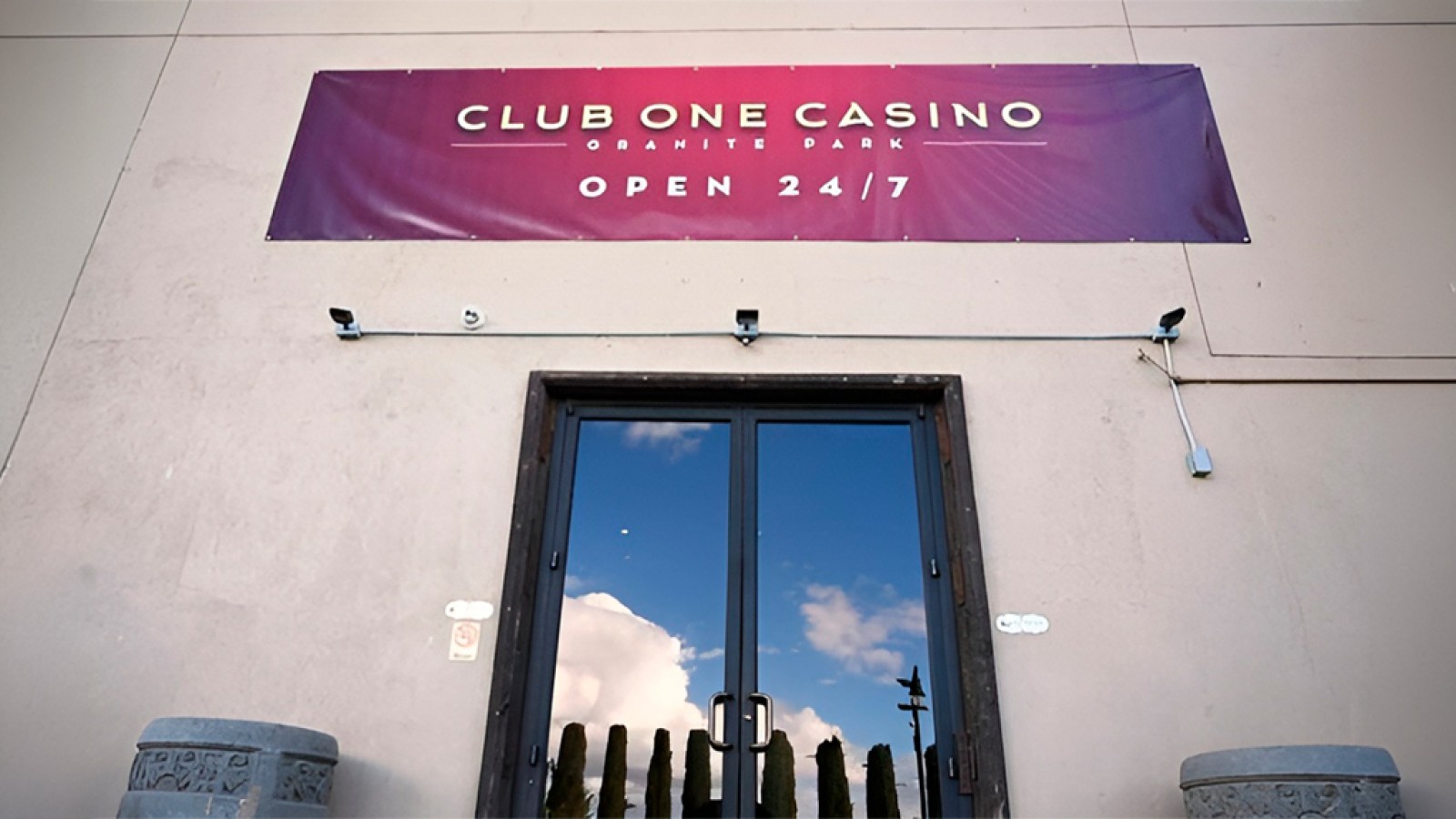
In Fresno County, the decision has sparked concern among operators. Kyle Kirkland, owner of Club One Casino and president of the California Gaming Association, warned that the changes could have far-reaching financial consequences for both businesses and municipalities.
According to Kirkland, blackjack accounts for roughly 25% of Club One’s total revenue, while player-dealer games represent approximately 60% of its revenue base. He estimates that compliance with the new rules could result in a 75% reduction in the tax contributions the casino makes to the City of Fresno’s General Fund — contributions that currently average about $1 million annually.
Beyond municipal finances, Kirkland pointed to employment risks. Between Club One and Clovis’ 500 Club Casino, he said 500 to 600 working families in Fresno County could be directly affected if revenue declines force operational cuts.
California law has, since 2000, granted tribal casinos exclusive rights to offer blackjack games in which players compete against the house. Card rooms, however, have operated blackjack-style games using third-party proposition player-dealers. Tribal operators have long argued that this model effectively circumvents the spirit of voter-approved exclusivity.
Under the new framework, card rooms must either eliminate or substantially modify their blackjack-style offerings. Operators have until May 31 to submit compliance plans to regulators.
Legal Challenge Under Consideration
Kirkland indicated that litigation is the industry’s primary response. He questioned the regulatory process, arguing that despite the state’s review of 1,764 public comments, the final rules were adopted without substantive modifications.
“Plan A is legal action,” he said, adding that operators are simultaneously evaluating contingency strategies to preserve parts of their business models should the ban withstand judicial scrutiny.
He further suggested that smaller municipalities in Southern California, where card room taxes represent a larger share of local budgets, could face severe fiscal strain if revenues contract significantly.
Tribal Groups Applaud Tighter Oversight
On the other side of the debate, the California Nations Indian Gaming Association has endorsed the regulatory shift. In earlier public comments, the association described the rules as a necessary step toward clarifying permissible gaming activities and curbing what it considers unlawful operations at card rooms.
Chairman James Siva wrote that tribal governments have sought regulatory relief for nearly a decade, arguing that ambiguities in existing rules allowed card rooms to offer games that infringe on tribal exclusivity. While supportive of the changes, the association has also called for even stricter enforcement measures and mandatory penalties for violations.
Tribal representatives emphasize that voter-approved gaming rights are central to funding essential services in tribal communities, including housing, education and healthcare. According to association figures, tribal gaming generates approximately $3.4 billion in taxes benefiting federal, state and local governments.
As the April 1 implementation date approaches, California’s gaming sector now faces a pivotal moment, with potential legal battles and economic ripple effects poised to shape the competitive balance between tribal casinos and commercial card rooms.
Categoría:Legislation
Tags: Sin tags
País: United States
Región: North America




Event









SiGMA North America 2026
01 de September 2026
LatAm Regulators Discussed Illegal Gambling and Innovation at SiGMA North America
(Mexico City, SoloAzar Exclusive).- The panel "The Red Pen Forum: Regulators Respond to the Industry," held during SiGMA North America 2026, brought together representatives from Uruguay, Argentina, Puerto Rico, and Honduras to analyze regulatory challenges, digital transformation, illegal gambling, and the need to adapt lotteries for new generations. The conference was moderated by Rodrigo Cigliutti, Executive Director of CIBELAE (Ibero-American Corporation of State Lotteries and Betting), and featured the participation of Marcelo Visconti, National Director of Lotteries and Quinielas of Uruguay; Carlos Moyano, President of IAFAS Entre Ríos, Argentina; Heidi Hernández Olivo, Deputy Secretary of the Puerto Rico Lottery; and Lissa Mencía, General Director of Lottery Operations and Games at Loto Honduras.
Monday 28 Sep 2026 / 12:00
SiGMA North America Addressed Crisis Management in iGaming
(Mexico, SoloAzar Exclusive).- During SiGMA North America 2026, Rosa Ochoa, founder of the Blue Global Gaming platform and strategic advisor for gaming operators; Iliana María Pineda Echeverri, Chief Legal & Compliance Officer at Wplay.co; Iraid Rosales, Country Manager Mexico at Amusnet; and Elizabeth Maya Cano, Executive President of CORNAZAR, analyzed the key factors in managing crisis situations within the iGaming industry, with a special focus on transparency, communication, technology, and preparation.
Friday 25 Sep 2026 / 12:00
Affiliates and Acquisition: Keys to Regulated Markets in North America
(Mexico City, SoloAzar Exclusive).- During SiGMA North America 2026, Cristopher Guzmán Reyes, Head of Affiliates at Logrand Entertainment Group; Guga Júnior, influencer and slots expert at Scalar Partners; Andrés Gómez, Head of Latin America Go-to-Market Strategy at Admattic; Yambot Aguilera, Gaming and Finance Sales Director at Google; and Paula Gabriel Jiménez, Advertising Client Growth Director for Microsoft at Aleph, analyzed the state and provincial affiliate ecosystem in North America, as well as the acquisition challenges in regulated markets.
Thursday 24 Sep 2026 / 12:00
SUSCRIBIRSE
Para suscribirse a nuestro newsletter, complete sus datos
Reciba todo el contenido más reciente en su correo electrónico varias veces al mes.