Czech Republic's IRIS Model Targets Smarter Gambling Regulation
Wednesday 08 de July 2026 / 12:00
⏱ 3 min read
(Prague).- New collaborative framework brings together operators, regulators and experts to tackle gambling harm and illegal betting through shared data and evidence-based policies.
A New Approach to Gambling Governance
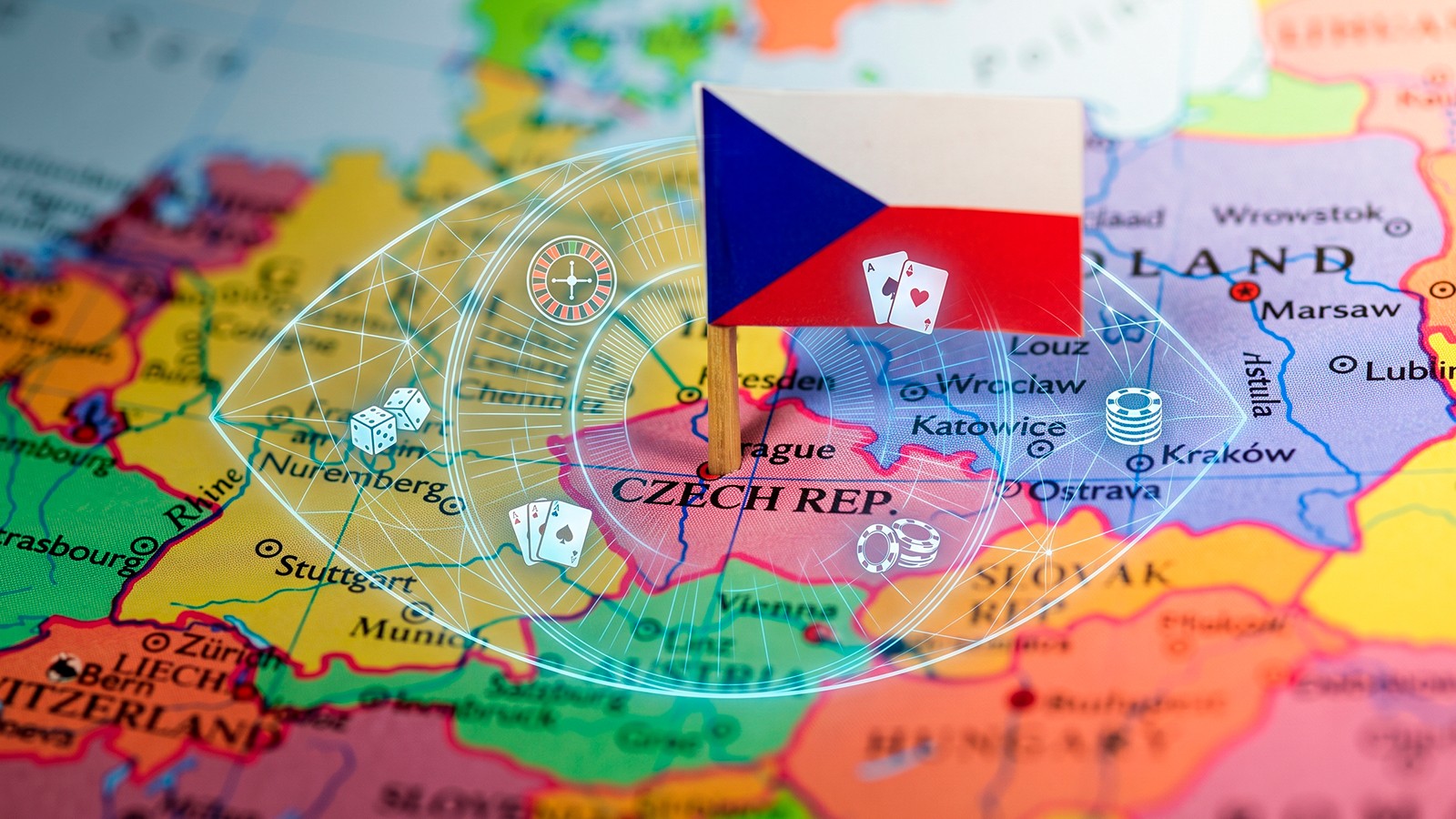
The Czech Republic is testing a new model for gambling regulation that prioritizes cooperation over confrontation. Led by the Institute for Gambling Regulation (IPRH), the initiative aims to unite licensed operators, government authorities, addiction specialists and researchers to develop data-driven responsible gambling policies.
The effort comes as illegal gambling continues to undermine the regulated market. According to recent estimates, unlicensed operators generate annual player losses of up to CZK14.5 billion, resulting in approximately $15.9 million in lost tax revenue.
Rather than functioning as a traditional lobbying organization, IPRH positions itself as a permanent platform for collaboration between all stakeholders involved in gambling regulation.
IRIS: A Player-Centered Protection System
At the heart of the initiative is IRIS, a responsible gambling system designed to monitor player behavior across multiple licensed operators.
Unlike conventional approaches that analyze customers within a single operator, IRIS evaluates gambling activity from the player's perspective, allowing operators to identify risk patterns that may be invisible when viewed in isolation.
"At the core of IRIS is a simple idea. We look at gambling from the perspective of the player, not the operator," said Jan Řehola, Director of IPRH.
The platform does not create a centralized database of gambling histories. Instead, it uses pseudonymized identifiers provided through the Czech licensing infrastructure, allowing operators to receive shared risk assessments without exchanging customers' personal information.
Measuring Results Through Behavior
Řehola stressed that IRIS is designed as a continuously evolving system rather than a perfect solution.
"I would not present IRIS as a magic solution that works in 100% of cases. Nothing in prevention or addiction risk reduction works like that," he said.
According to IPRH, the project's success will not be measured by the number of responsible gambling messages delivered, but by measurable behavioral improvements, including lower risk scores, reduced escalation of gambling activity and fewer players reaching high-risk categories.
The system also enables interventions to be evaluated almost in real time, allowing adjustments whenever specific measures fail to produce meaningful changes.
Balancing Commercial Interests and Player Protection
One of the key questions surrounding the project is whether gambling operators are willing to sacrifice short-term revenue to improve player protection.
Řehola acknowledged the concern but argued that isolated responsible gambling initiatives often fail because players simply migrate to competitors offering fewer restrictions.
"Revenue from players who are losing control is not sustainable revenue. It creates regulatory risk, reputational risk and political pressure for much stricter regulation," he said.
By applying the same responsible gambling standards across participating operators, IRIS seeks to eliminate competitive disadvantages while encouraging sustainable customer relationships.
Addressing Illegal Gambling
IPRH also recognizes that responsible gambling tools alone cannot eliminate gambling-related harm if vulnerable players move to offshore or unlicensed websites.
"If a responsible-gambling tool in the legal market simply pushes vulnerable players to offshore or crypto casinos, then it has not solved the problem. It has only moved the player into an even more dangerous environment," Řehola warned.
To address that challenge, the institute is working with the Czech Ministry of Finance and Customs Administration through a national taskforce focused on combating illegal gambling alongside improving player protection within the regulated market.
An Adaptive Risk Assessment Model
Rather than diagnosing gambling addiction, IRIS generates risk indicators that support proportionate interventions such as reality checks, safer gambling communications and information about professional support services.
"It does not diagnose a player and it should not restrict the player's legal rights. It produces risk signals," Řehola explained.
The methodology combines operator data, academic research, behavioral science and emerging international harm standards, while remaining open to continuous adjustments if the algorithm proves either too sensitive or insufficiently accurate.
Legal Framework Supports Cooperation
The IRIS project is backed by legislative amendments that came into force on 1 October 2025, allowing licensed Czech gambling operators to exchange pseudonymized player data exclusively for responsible gambling purposes.
"The data cannot be used for marketing, commercial profiling or competitive intelligence. It is used for one purpose only: responsible gambling and player protection," Řehola said.
The legislation was approved unanimously by the Czech Parliament, providing a legal foundation for collaborative player protection efforts.
A Model for Future Regulation?
While IRIS remains an ongoing experiment, the Czech initiative reflects a broader shift toward evidence-based gambling regulation. Instead of relying solely on stricter legislation or voluntary operator action, the model emphasizes cooperation, shared data and measurable outcomes.
As Řehola summarized, the objective is to promote "smart regulation instead of symbolic regulation," while allowing the system to evolve based on the evidence it generates.
Categoría:Legislation
Tags: Sin tags
País: Czech Republic
Región: EMEA




Event
iGaming tech leader Cristina Turbatu commends ICE Barcelona's vision for Hall 7
Tuesday 20 Oct 2026 / 12:00
CGA Showcases Canada’s Competitive Edge at ICE Barcelona
Tuesday 13 Oct 2026 / 12:00
ICE Barcelona Hosts WorldGaming-Backed Nineball Championship in 2027
Tuesday 06 Oct 2026 / 12:00
SUSCRIBIRSE
Para suscribirse a nuestro newsletter, complete sus datos
Reciba todo el contenido más reciente en su correo electrónico varias veces al mes.