D.C. Online Casino Bill Sparks Debate Over iGaming Legalization
Friday 24 de July 2026 / 12:00
⏱ 4 min read
(Washington, D.C.).- The D.C. Council's Committee on Human Services held a public hearing to examine the proposed Internet Gaming and Consumer Protection Act of 2026, bringing together lawmakers, gaming operators, industry associations, consumer advocates, and responsible gambling organizations to discuss the potential legalization of online casino gaming in the U.S. capital. Chaired by Councilmember Matthew Frumin, the hearing featured supporters who argued that regulation would strengthen consumer protections and opponents who warned of the social costs associated with expanded online gambling.
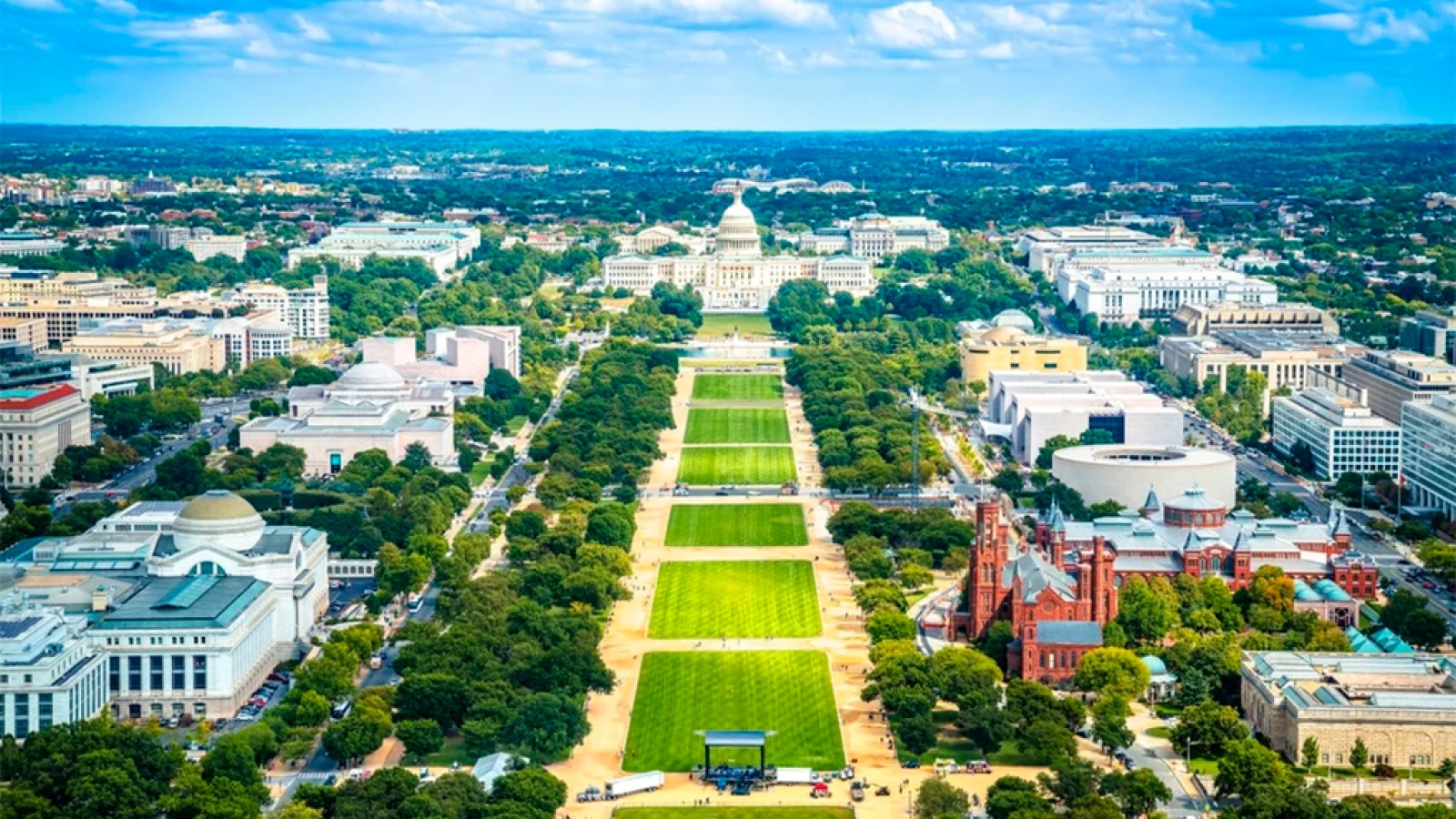
Lawmakers consider legalizing online casino gaming in Washington, D.C.
Washington, D.C., has become the latest jurisdiction in the DMV region, following Maryland and Virginia, to debate legislation that would legalize online casino gaming.
Introduced by Councilmember Wendell Felder, Bill B26-0656, formally titled the Internet Gaming and Consumer Protection Act of 2026, seeks to authorize, regulate, and tax internet gaming while also banning unlicensed sweepstakes gaming.
If approved, the legislation would legalize online casino games such as poker, blackjack, and roulette, allowing them to be played on computers and mobile devices under a regulated framework.
Bill follows unsuccessful efforts in neighboring states
The proposal comes shortly after similar iGaming bills failed to advance in both Maryland and Virginia, where opponents—including several land-based casino operators—argued that online casino legalization could negatively impact retail gaming revenue and casino visitation.
Supporters in Washington, D.C., contend that the District has an opportunity to adopt a regulated market while addressing the continued growth of illegal online gambling.
Supporters argue regulation will protect consumers
Addressing the committee, Wendell Felder, Councilmember for the District of Columbia, argued that illegal online gambling already represents a significant market and that regulation would provide oversight while keeping gaming revenue within the District.
"Whether we choose to acknowledge it or not, this market already exists," Felder said.
He continued: "The question before us is not whether online gaming happens. It does. The question is whether the District will continue allowing millions of dollars to flow outside of our oversight and outside of our economy, or whether we will regulate it responsibly."
According to Felder, illegal gambling generated approximately US$700 million in wagers during 2024, with little consumer protection for players.
"That is revenue currently leaving our city with little to no consumer protection," he added.
Key provisions of the proposed legislation
The proposed bill would:
- Legalize online casino-style games played via computers and mobile devices.
- Establish regulatory oversight through the Office of Lottery and Gaming.
- Introduce responsible gaming measures and consumer protection requirements.
- Ban unlicensed sweepstakes and dual-currency gaming products.
- Require a US$2 million initial license fee valid for five years, followed by a US$500,000 renewal fee.
- Apply a 25% tax on gross iGaming revenue.
Industry representatives back the proposal
The hearing included testimony from representatives of DraftKings, Caesars, and BetMGM, as well as industry organizations including the Sports Betting Alliance and the iDevelopment and Economic Association (iDEA).
Speaking on behalf of the Sports Betting Alliance, Michelle MacGregor argued that legalizing iGaming represents sound public policy because regulated markets encourage players to move away from offshore operators while providing stronger responsible gambling protections.
She also supported the proposal to eliminate what she described as the "loophole for illegal sweepstakes."
Meanwhile, John Pappas, representing the iDevelopment and Economic Association (iDEA), argued that illegal online gambling is already well established in the District.
According to Pappas, approximately 100,000 monthly visits from Washington, D.C., residents are made to offshore gambling websites. He said the proposed legislation would introduce safeguards including geolocation technology and strict age verification requirements.
Regulated market seen as a safer alternative
Supporters emphasized that regulation would allow authorities to monitor operators, strengthen responsible gaming initiatives, and provide greater consumer protection than the current unregulated environment.
They also argued that licensing and taxation would generate additional public revenue while reducing the influence of illegal gambling platforms.
Critics warn about addiction and social costs
Opponents of the legislation argued that expanding access to online casino gaming would increase gambling-related harm due to the constant availability of mobile wagering.
Les Bernal, National Director of Stop Predatory Gambling, described the proposal as: "Taxation by exploitation."
Bernal argued that District residents could lose approximately US$400 million over the next five years through government-sponsored gambling and rejected claims that legalization would significantly reduce the illegal market.
Also testifying before the committee, Brianne Doura-Schawohl, representing the Campaign for Fairer Gambling, expressed concern about the addictive nature of online casino products.
She described iGaming as: "Frankenstein's monster of advertising, access and action,"
adding that online casino gaming is "10 times more addictive than other gambling" and remains illegal in most U.S. states "for good reason."
Next steps for the legislation
Public testimony on the bill remains open until May 11, after which the Committee on Human Services will review the submissions before deciding whether to advance the legislation to the full D.C. Council.
If approved in two Council votes, the bill would proceed to the Mayor for consideration. Should it receive mayoral approval, it would then undergo a mandatory 30-day Congressional review before becoming law, provided Congress does not intervene during that period.
Categoría:Legislation
Tags: Sin tags
País: United States
Región: North America




Event
iGaming tech leader Cristina Turbatu commends ICE Barcelona's vision for Hall 7
Tuesday 20 Oct 2026 / 12:00
CGA Showcases Canada’s Competitive Edge at ICE Barcelona
Tuesday 13 Oct 2026 / 12:00
ICE Barcelona Hosts WorldGaming-Backed Nineball Championship in 2027
Tuesday 06 Oct 2026 / 12:00
SUSCRIBIRSE
Para suscribirse a nuestro newsletter, complete sus datos
Reciba todo el contenido más reciente en su correo electrónico varias veces al mes.