Kenya Opens First Gambling Licensing Process Under New Regulatory Framework
Thursday 16 de July 2026 / 12:00
⏱ 3 min read
(Kenya).- Kenya has officially launched its first gambling licensing cycle under the country’s new regulatory framework, introducing stricter compliance requirements, enhanced player protection measures and expanded oversight powers for the Gambling Regulatory Authority (GRA).

New Gambling Control Act introduces stricter industry supervision
The licensing process begins following the implementation of the Gambling Control Act, 2025, and five new regulations published in the Kenya Gazette on June 30, which entered into force on July 1.
The new framework replaces significant parts of the previous regulatory system and gives the GRA broader authority to monitor and control gambling activities across Kenya.
According to the regulator, the updated rules aim to establish a more transparent and structured environment for operators while strengthening consumer protection and promoting responsible gambling practices.
The GRA highlighted that the new licensing system will provide clearer requirements for businesses operating in the sector and support the development of a fair and sustainable gambling market.
Online gambling operators face new compliance obligations
One of the main changes introduced by Kenya’s new gambling regulations affects online operators, which will now face stricter technological and operational requirements.
Licensed companies must provide the GRA with real-time access to their platforms through secure API connections. In addition, operators will be required to integrate their systems with the Authority’s Central Monitoring System and the National Gambling Register.
The new rules also establish mandatory measures related to:
- Licensing procedures
- Gambling operations
- Foreign operators
- Advertising standards
- Player protection mechanisms
Online gambling companies must implement geolocation controls, ensure customer data protection and maintain a clear separation between player funds and operational accounts.
The requirement to segregate customer funds is designed to provide additional safeguards for players in case of financial difficulties or operational issues affecting operators.
Expanded licensing requirements for suppliers and industry stakeholders
The new regulatory framework extends beyond traditional gambling businesses such as casinos and betting operators.
Licensing obligations will now also apply to:
- Lottery operators
- Gambling software providers
- Equipment manufacturers
- Key industry personnel
- Suppliers and service providers working with gambling companies
Under the new rules, suppliers must obtain approval before providing services to licensed gambling operators. Existing operators are also required to inform their suppliers about the updated regulatory obligations.
Companies currently active in the market must submit a complete list of their suppliers to the GRA within seven days, allowing the regulator to gain greater visibility over the entire gambling ecosystem.
The framework also introduces separate licences for different online gambling verticals, including:
- Online bookmakers: KES 50 million licence fee
- Online casinos: KES 50 million licence fee
- Online lotteries: KES 20 million licence fee
Foreign gambling companies must meet additional requirements
International gambling operators seeking to enter the Kenyan market will face additional financial and operational conditions under the new system.
Foreign companies must demonstrate a minimum paid-up capital of KES 100 million and provide a security bond of KES 200 million.
They will also be required to comply with gambling regulations in their home jurisdictions and implement mechanisms to prevent users located in Kenya from accessing services when such access is restricted.
These measures are part of Kenya’s broader strategy to ensure that international operators meet local regulatory standards before participating in the country’s gambling market.
Stronger player protection measures introduced
Player protection represents another key pillar of the new regulatory framework.
Operators must implement age verification procedures, provide responsible gambling tools and participate in Kenya’s national self-exclusion system.
Existing licences will remain valid for a transitional period of 60 days, allowing operators time to adapt their operations and comply with the new requirements.
The GRA stated that the new licensing process has been designed to be accessible for operators while creating a stronger regulatory environment focused on accountability, consumer protection and sustainable growth of Kenya’s gambling industry.
Categoría:Legislation
Tags: Sin tags
País: Kenya
Región: EMEA




Event


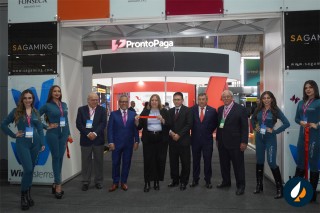




PERU GAMING SHOW – PGS 2026
17 de June 2026
ProntoPaga Consolidates Its Position at Peru Gaming Show 2026
(Lima, SoloAzar Exclusive).- Juan Carlos Loza, Head of Sales Latam at ProntoPaga, spoke exclusively after the company's participation in Peru Gaming Show 2026, highlighting the agreements reached, the interest in their payment solutions, and the expansion plans that will drive their growth across Latin America.
Monday 03 Aug 2026 / 12:00
Enhancing Responsible Gaming Through Effective Training at PGS 2026
(Lima, SoloAzar Exclusive) – Training, prevention, and technology took center stage at the "Value of Responsible Gaming in Gambling Operations" conference during the 2026 Perú Gaming Show (PGS). Presented by Fernando Calderón Castro, President of the National Gaming Society (SONAJA), the session brought industry leaders together to tackle current challenges and explore strategies for safer, more transparent, and sustainable operations.
Wednesday 22 Jul 2026 / 12:00
LSports at the Peru Gaming Show: Building Presence, Opening Doors
(Lima, SoloAzar Exclusive).- The Peru Gaming Show was never just about the booth. For LSports, it was about showing up in a market where showing up still matters — and leaving with more than a contact list. Federico Brancato, Sales Manager for the LATAM Region, came to Lima with a clear sense of what operators in this part of Latin America need most right now. What he found confirmed it.
Friday 17 Jul 2026 / 12:00
SUSCRIBIRSE
Para suscribirse a nuestro newsletter, complete sus datos
Reciba todo el contenido más reciente en su correo electrónico varias veces al mes.