Legalization of casinos and gambling in Brazil could generate R$20 billion in taxes
Tuesday 16 de September 2025 / 12:00
⏱ 5 min read
(Brasilia).- According to Senator Irajá Silvestre Filho (PSD-TO), the measure would not only increase revenue, but would also help weaken organized crime, in addition to creating new jobs and stimulating income generation.
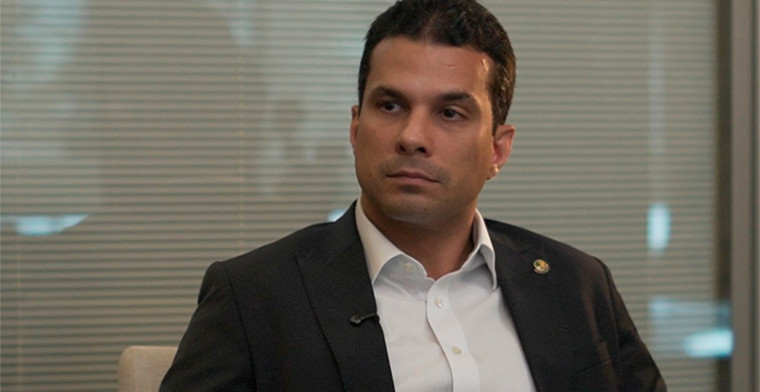
Senator Irajá Silvestre Filho (PSD), from Tocantins, rapporteur of Bill No. 2234, which regulates gambling, casinos and bingo, commented on the progress of the project that aims to legalize casinos and gambling in Brazil.
The politician is participating in the PSD national meeting in Santa Catarina. After a party agenda in Balneário Camboriú this Thursday (11), he and other leaders came for lunch in Florianópolis this Friday (12).
In an interview with columnist Paulo Cesar da Luz, he highlighted that the proposal has made progress in Congress, with approval in committees and thematic debates. If approved, legalization is projected to generate R$20 billion in taxes.
"Countries that have responsibly legalized responsible gambling have doubled their tourist flow in the last five years," the senator noted.
The parliamentarian argues that regulation is necessary to remove an already existing activity from illegality and protect citizens.
According to Senator Irajá, games such as bingo, casinos, and jogo do bicho already operate in many cities across the country without oversight.
The lack of regulation prevents the government from collecting taxes, in addition to leaving this activity in the hands of organized crime.
According to the rapporteur, the proposal seeks to bring into the light of the law what already operates in the "shadows", generating revenue for the State.
Project aims to generate employment and income
The bill's rapporteur emphasized that legalizing casinos and gambling in Brazil is an economic and social agenda, not just for entertainment. He projects the creation of more than 1.5 million jobs and revenue of at least R$20 billion in taxes.
"There is a prospect of raising at least 20 billion reais, and these resources will be used to benefit the population. They will be divided among the states, Brazilian municipalities, health, education, public safety, and not to mention that we will be taking it out of the hands of organized crime," said the senator.
These resources, according to the bill, would be distributed to the population, with distributions among states and municipalities, and investments in areas such as health, education, and public safety. Furthermore, the regulation would remove this activity from the hands of criminal groups such as militias, Comando Vermelho, and PCC.
Santa Catarina on the casino route
The bill to legalize casinos and gambling in Brazil provides for the establishment of a casino resort in each of the 27 states. The exception is the most populous states (São Paulo, Rio de Janeiro, Minas Gerais, and Bahia), which may have up to two integrated resort licenses.
In the case of Santa Catarina, the proposal foresees the possibility of hosting a casino resort, in addition to operating bingo and animal games.
The bill establishes licensing criteria, such as one bingo license for every 250,000 inhabitants and one for jogo do bicho for every 700,000 inhabitants.
The senator concluded by stating that the measure could boost tourism in the country, following the example of nations that have legalized gambling and doubled the flow of tourists in five years.
Has the project to legalize casinos and gambling in Brazil advanced much further than in the past, when it was discussed?
After a grueling vote, which took us a long time to get approved in the Chamber of Deputies, public hearings held in the Senate, approval by the Constitution and Justice Committee (CCJ) of the Senate, and a thematic debate in the plenary itself. The fact is, we need to bring to light an activity that currently operates in the shadows of the law.
The big truth is that bingo, casinos, and jogo do bicho, which are activities of Brazilian culture, already operate outside the law, operating in almost all cities in Brazil, in the capitals, in short, on street corners, and the government does not collect, the Brazilian people do not collect a single cent in taxes, the government does not monitor and we are unable to protect citizens from this game that I call gambling.
Therefore, this confrontation is necessary, since bingo, casinos, and jogo do bicho are now legal on cell phones, but have not yet been legalized and regulated.
Is job and income generation one of the aspects that the project encompasses, especially in regions that have difficulty producing wealth?
Without a doubt, this discussion is about an economic and social agenda, not just entertainment for the country. We will create a new business environment in Brazil, which will generate more than a million new jobs for the Brazilian people.
In taxes alone, there is a prospect of collecting at least 20 billion reais and these resources will be used to benefit the population, divided between the states, Brazilian municipalities, health, education, public safety, and not to mention that we will be taking out of the hands of organized crime an activity currently dominated, unfortunately, by militias, the Comando Vermelho, and the PCCs of life, and this is obviously not what we want.
Could Santa Catarina be part of this project? What are the possibilities of receiving this legalization, but also structures that are consistent with reality?
It's important to remember, for those of you watching, that the bill approved in the Chamber of Deputies and currently being considered in the Senate provides for the establishment of a casino resort within each of the 27 states of the Federation. The exception is the most populous states, with more than 10 million inhabitants—São Paulo, Rio, Minas Gerais, and Bahia—which may have up to two integrated resort licenses.
Therefore, it's an extremely conservative project. Of course, if it works, we'll expand in the future, but we've opted to maintain a more cautious approach, so we can conduct a comprehensive test. Furthermore, there's also the possibility of permits for bingo halls and jogo do bicho (animal gambling).
To give you an idea of the animal game, the Federal Government requires a company to operate for every 700,000 inhabitants in a city. And in the case of bingo, a license is required for up to 250,000 inhabitants.
I'm very confident. Brazil needs an agenda that generates jobs, income, and, above all, taxes for the country to be converted into benefits for the population. And we're facing a topic that will boost Brazilian tourism, which is what's happened worldwide.
Countries that have legalized responsible gambling have doubled their tourist flow in just five years. Meanwhile, Brazil watches all these tourists from Europe, Asia, and the United States, visiting Argentina, Chile, and Uruguay, but not coming to Brazil to generate wealth, circulate resources within our country, and generate foreign currenc
Categoría:Legislation
Tags: Sin tags
País: Brazil
Región: South America




Event





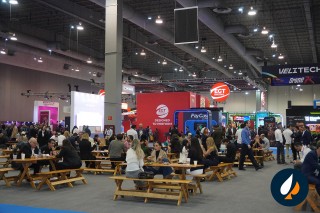



SiGMA North America 2026
01 de September 2026
CP Games at SiGMA North America: Localization, Integration, and Regional Growth
(Mexico City, SoloAzar Exclusive).- Following a successful showcase at SiGMA North America, Caio Ruiz, Head of Growth and Strategic Partnership at CP Games, reflects on the event's key takeaways. He discusses the critical need for localized strategies across the Americas, the importance of flexible technical integrations, and the company's next steps in navigating the diverse gaming landscapes of LatAm and North America.
Tuesday 22 Sep 2026 / 12:00
"Our focus for growth is in Mexico and the rest of LatAm", Alberto Alfieri, Co-Founder of Blokotech
(Mexico City, SoloAzar Exclusive).- Following their success at SiGMA North America—where they secured the Best Casino Platform 2026 award—Blokotech's co-founder discusses growth opportunities in Mexico and the broader region. He also highlights the platform's latest AI-driven innovations and outlines the next phases of the company's expansion strategy.
Tuesday 22 Sep 2026 / 12:00
SiGMA North America Examines the VIP Revenue Paradox
(Mexico City, SoloAzar Exclusive).- At SiGMA North America 2026 in Mexico City, the conference “The VIP Paradox: Emotional Intelligence vs. Revenue Pressure” brought together Beatriz Melges, Regional Director at BetConstruct AI; Rodrigo Ripol, Business Development Officer at AHIS; Erick Sapien, Country Manager at BC.GAME; and Thomas Carvalhaes, Founder and CEO of TC iGaming Advisors LATAM, to examine the balance between VIP management, revenue generation, player protection and emotional intelligence.
Tuesday 22 Sep 2026 / 12:00
SUSCRIBIRSE
Para suscribirse a nuestro newsletter, complete sus datos
Reciba todo el contenido más reciente en su correo electrónico varias veces al mes.