New Jersey Committee Advances Gambling Self-Exclusion Bill
Monday 15 de June 2026 / 12:00
⏱ 3 min read
(Trenton).- A bipartisan proposal aimed at strengthening responsible gambling protections has advanced in New Jersey after receiving approval from a Senate committee. The measure would allow the state to participate in multi-state and national self-exclusion programs, expanding the tools available to individuals seeking to restrict their access to gambling activities across multiple jurisdictions.
Senate Committee Backs Expanded Self-Exclusion Framework
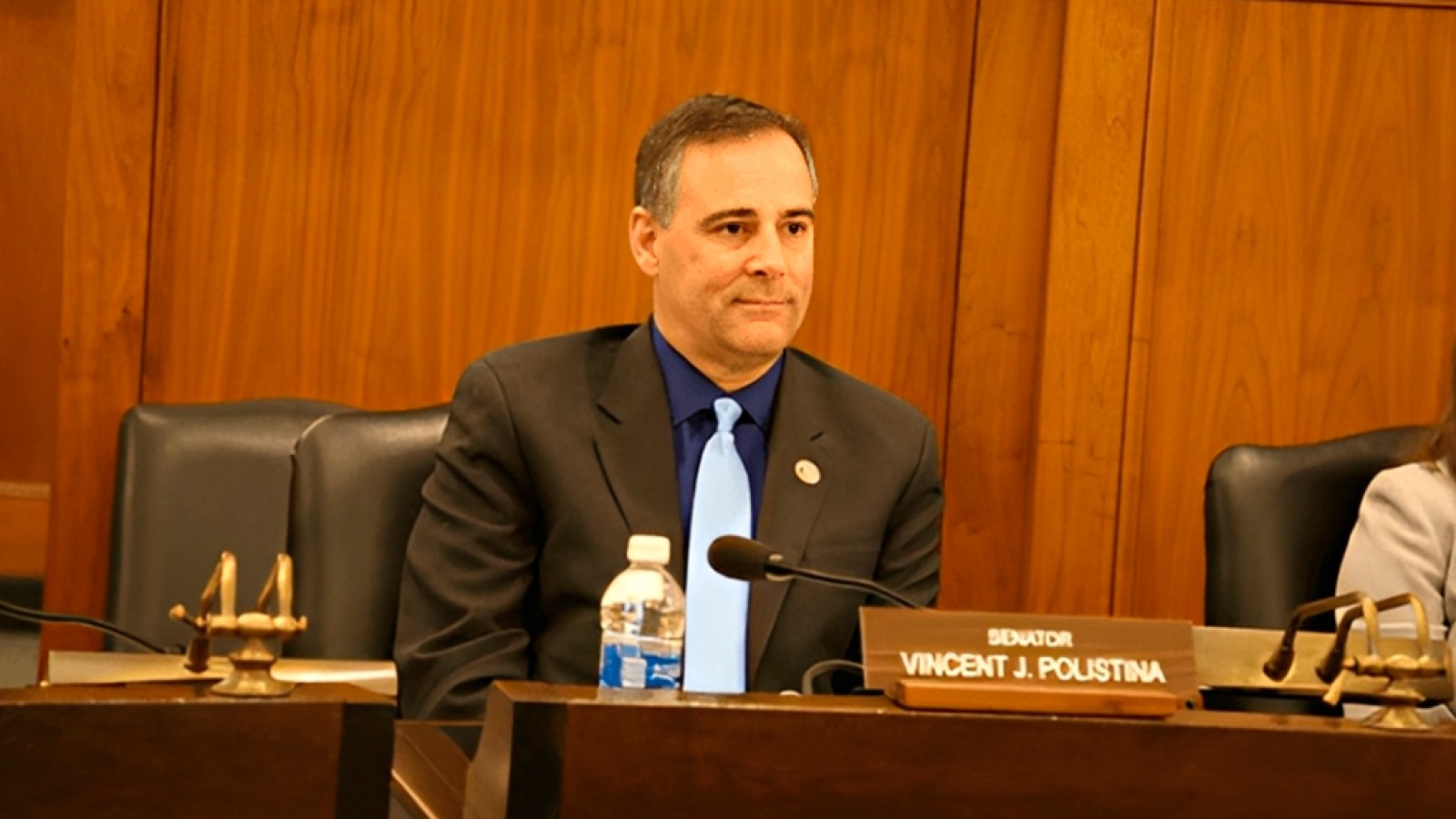
The bill, S-2055, sponsored by Senator Vince Polistina, moved forward following approval by the Senate State Government, Wagering, Tourism and Historic Preservation Committee. The committee's support represents an important step in the legislative process and highlights growing regulatory interest in cross-jurisdictional responsible gambling initiatives.
If enacted, the legislation would authorize the New Jersey Division of Gaming Enforcement (DGE) to participate in interstate and national self-exclusion programs. Under the proposal, individuals who voluntarily choose to self-exclude would no longer be required to register separately in each participating jurisdiction.
Instead, players could enroll in broader programs designed to apply across multiple regulated markets, creating a more efficient and comprehensive responsible gambling framework.
Committee Approval Reflects Regulatory Priorities
The committee's decision comes at a time when responsible gambling measures are receiving increased attention throughout the U.S. gaming industry. As online gambling and sports betting continue to expand, regulators are evaluating new mechanisms to provide stronger consumer protections while maintaining the integrity of regulated markets.
According to supporters of the bill, a multi-state approach could help individuals who wish to limit their gambling activity by reducing administrative barriers and extending protections beyond a single jurisdiction.
The committee also reviewed provisions designed to ensure that participants maintain control over their personal information throughout the self-exclusion process.
Interstate Cooperation Could Strengthen Player Protection
One of the most significant aspects of the legislation is its authorization for New Jersey to enter into agreements with other states that recognize and enforce self-exclusion lists.
Such agreements could create a more connected responsible gambling ecosystem, allowing regulators to cooperate across state lines while preserving privacy safeguards. Under the bill, the Division of Gaming Enforcement would be prohibited from sharing information with jurisdictions that have not been specifically authorized by the participant.
Industry observers note that as more U.S. states launch regulated gaming products, including online casinos and sports betting platforms, the effectiveness of responsible gambling tools increasingly depends on cooperation among regulators.
Polistina Highlights Benefits of Expanded Coverage
Senator Polistina emphasized the value of New Jersey’s existing self-exclusion program while explaining the rationale behind the legislation.
“New Jersey's self-exclusion program has helped many individuals take an important step toward addressing problematic gambling,” Polistina said.
He added that broader participation opportunities would improve the effectiveness of the system and provide greater support for individuals seeking assistance.
“This bill would make the process more effective by allowing people to extend those protections beyond our state's borders and access a broader network of support.”
Growing Industry Interest in Multi-State Solutions
The advancement of the bill through the Senate committee reflects a broader trend across the regulated gambling sector. Policymakers and regulators are increasingly exploring collaborative approaches that address the realities of a highly interconnected gaming market.
Should the measure continue to advance beyond the committee stage and ultimately become law, New Jersey could strengthen its position as one of the leading jurisdictions promoting innovative responsible gambling policies in the United States. The initiative may also serve as a model for other states considering similar approaches to self-exclusion and player protection.
Categoría:Legislation
Tags: Sin tags
País: United States
Región: North America




Event










SiGMA North America 2026
01 de September 2026
"Technology can be global, but execution in LATAM must be local": Borut Leban on Timeless Tech's Regional Expansion
(Mexico City, SoloAzar Exclusive).- Following a highly successful showing and a 'Best Aggregator 2026' award at SiGMA North America, Timeless Tech CEO Borut Leban reflects on the company's strategic growth across LatAm. In this interview, Leban discusses the necessity of deep market localization, concrete new business opportunities, and the upcoming launch of their unified retention ecosystem, Timeless Arena.
Friday 18 Sep 2026 / 12:00
BSW Highlights Validation and Growth Opportunities in the LATAM iGaming Market
(Mexico City, SoloAzar Exclusive).- In Q&A with SoloAzar, Betting Software (BSW) Head of Digital Marketing Ilia Chumak discussed the company's standout showcase in SIGMA North America. Highlighting the incredible energy of the region, Chumak noted that the event was a major success for BSW, resulting in active negotiations and verifying multiple deals straight from their booth.
Friday 18 Sep 2026 / 12:00
SiGMA North America Explores Affiliate Marketing After Sports Events
(Mexico City, SoloAzar Exclusive).- At SiGMA North America 2026, Fernanda Figueroa, Affiliate Manager at 1win Partners, examined how affiliates can monetize sports events in LATAM beyond the initial traffic spike. During the conference “Beyond the Spike: How Affiliates Monetize Sports Events in LATAM All Year Round,” she discussed sports betting traffic, player retention, campaign localization and audience segmentation as key elements for extending the value of major sporting events.
Friday 18 Sep 2026 / 12:00
SUSCRIBIRSE
Para suscribirse a nuestro newsletter, complete sus datos
Reciba todo el contenido más reciente en su correo electrónico varias veces al mes.