Tasmania Introduces New Gambling Harm Measures as Cashless Card Reform Is Abandoned
Friday 23 de January 2026 / 12:00
⏱ 3 min read
(Tasmania).- The Tasmanian government unveils revised harm minimisation rules for hotels, clubs and casinos, replacing its once nation-leading cashless gaming card proposal amid industry pressure.
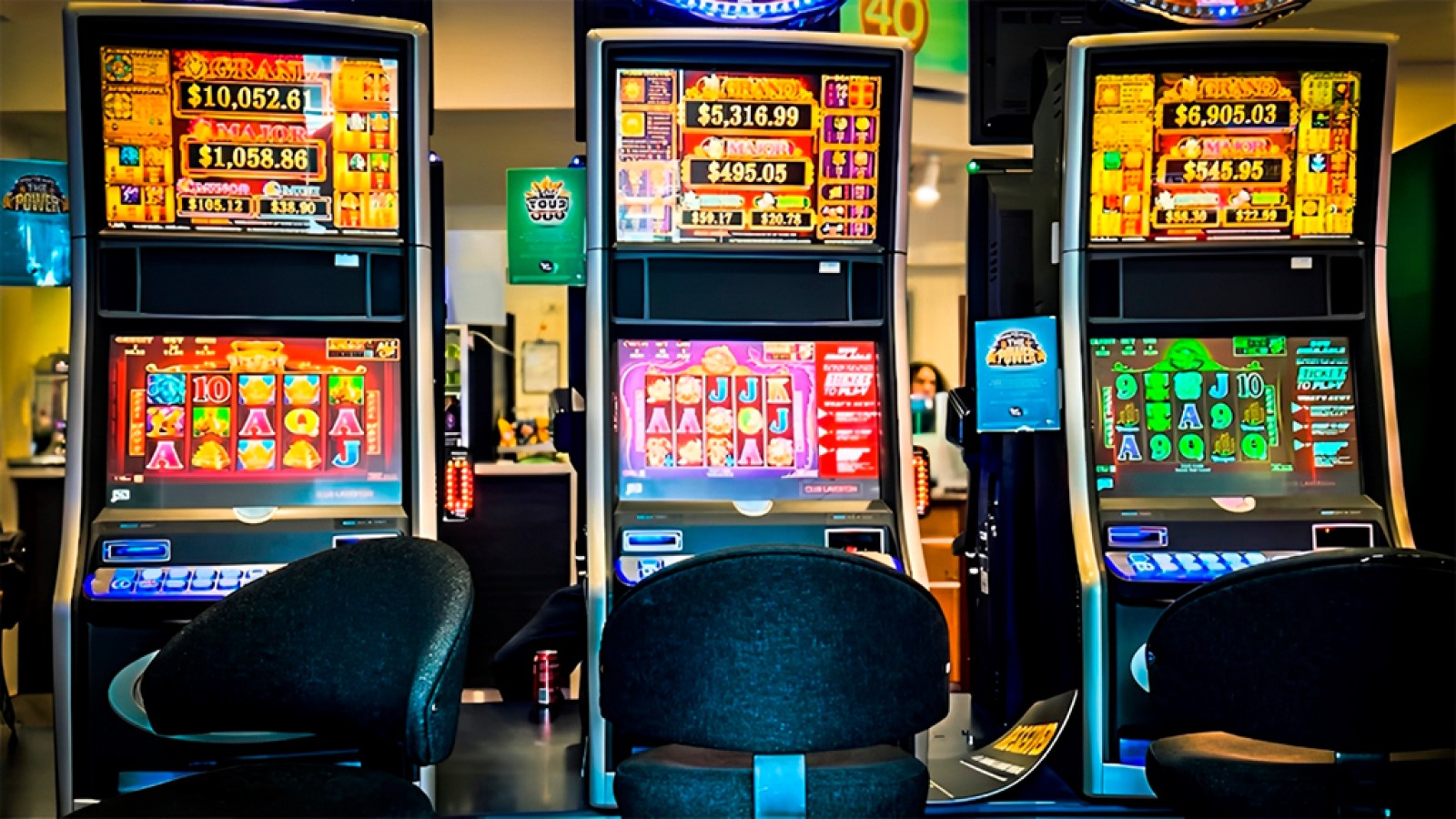
The Tasmanian government has announced a new package of gambling harm minimisation measures for hotels, clubs and casinos, positioning the changes as a way to reduce regulatory burden while maintaining player protections.
The reforms replace the state’s previously proposed nation-leading cashless gaming card, which would have capped gambling losses at AUD 100 per day or AUD 5,000 per year. That policy was abandoned in late 2024 following strong opposition from the hospitality sector.
The announcement comes against a backdrop of significant gambling losses in the state, with Tasmanians losing approximately AUD 200 million on gaming machines in the last financial year alone.
Key changes to gaming regulations
Under the revised framework, gaming areas in hotels and clubs will be required to close for longer periods, with the mandatory shutdown extended from four hours to seven hours in every 24-hour period.
A new mandatory cashless ticket system will also be introduced. Players will be required to load a ticket before using poker machines, with a maximum of AUD 200 permitted per load. However, the tickets will not carry a daily spending limit and will not require player registration.
The government has also committed to developing new technology that will allow patrons to self-exclude immediately from venues.
Facial recognition technology will become compulsory across venues, using images of all registered excluded patrons under the Tasmanian Gambling Exclusion Scheme. ATMs located within venues will also be fitted with facial recognition software, with limits imposed on withdrawals over a 24-hour period.
Cashless gaming card shelved pending national approach
Premier Jeremy Rockliff confirmed the cashless gaming card would not proceed unless adopted as part of a nationally consistent framework. Treasurer Eric Abetz added that the government would continue to monitor progress in other states on pre-commitment gaming cards.
A government spokesperson said the new measures aim to strike a balance between harm reduction and personal choice, stating they would “reduce harm, while also respecting freedom of choice”.
Deloitte report raises questions over effectiveness
The policy shift follows the release of a long-awaited Deloitte report into the impacts of the mandatory cashless gaming card, commissioned by the government in 2024 and finalised in December.
The report found that while the original proposal would negatively affect the gaming and hospitality sectors, it would deliver broader economic benefits, including increased household disposable income and reduced government spending on social welfare, healthcare and corrections. Deloitte also concluded that the social outcomes of the reform were “anticipated to be largely positive”.
However, the report warned that cashless gambling systems without mandatory registration and pre-commitment limits could make it easier for players to spend more, by removing “mental and physical barriers” that typically moderate gambling behaviour.
According to Deloitte, the most effective harm minimisation outcomes occur when cashless systems are combined with mandatory spending limits and player registration—elements that are not included in Tasmania’s revised measures.
Calls to revisit pre-commitment reform
Liberal backbencher Michael Ferguson, the architect of the original pre-commitment card reforms, welcomed the report’s findings, saying they strengthened the case for mandatory player cards.
He argued the Deloitte analysis “vindicates” the government’s 2023 decision to pursue cashless gaming and mandatory pre-commitment, despite the policy being shelved pending national alignment.
Tasmanian Labor MP Luke Edmunds said the party supported harm minimisation, but not a cashless card. "We support harm minimisation, we support facial recognition in all venues, and we support having gaming care officers on the floor to support people who might have a problem," he said “This has worked in other jurisdictions; it's on the ground working in places like South Australia”.
And added: "We think that can work in Tasmania."
Categoría:Legislation
Tags: Sin tags
País: Australia
Región: Oceania




Event







SiGMA North America 2026
01 de September 2026
"Technology can be global, but execution in LATAM must be local": Borut Leban on Timeless Tech's Regional Expansion
(Mexico City, SoloAzar Exclusive).- Following a highly successful showing and a 'Best Aggregator 2026' award at SiGMA North America, Timeless Tech CEO Borut Leban reflects on the company's strategic growth across LatAm. In this interview, Leban discusses the necessity of deep market localization, concrete new business opportunities, and the upcoming launch of their unified retention ecosystem, Timeless Arena.
Friday 18 Sep 2026 / 12:00
BSW Highlights Validation and Growth Opportunities in the LATAM iGaming Market
(Mexico City, SoloAzar Exclusive).- In Q&A with SoloAzar, Betting Software (BSW) Head of Digital Marketing Ilia Chumak discussed the company's standout showcase in SIGMA North America. Highlighting the incredible energy of the region, Chumak noted that the event was a major success for BSW, resulting in active negotiations and verifying multiple deals straight from their booth.
Friday 18 Sep 2026 / 12:00
SiGMA North America Explores Affiliate Marketing After Sports Events
(Mexico City, SoloAzar Exclusive).- At SiGMA North America 2026, Fernanda Figueroa, Affiliate Manager at 1win Partners, examined how affiliates can monetize sports events in LATAM beyond the initial traffic spike. During the conference “Beyond the Spike: How Affiliates Monetize Sports Events in LATAM All Year Round,” she discussed sports betting traffic, player retention, campaign localization and audience segmentation as key elements for extending the value of major sporting events.
Friday 18 Sep 2026 / 12:00
SUSCRIBIRSE
Para suscribirse a nuestro newsletter, complete sus datos
Reciba todo el contenido más reciente en su correo electrónico varias veces al mes.