Tax Revenue Decline Following New Gambling Regulations in Romania
Thursday 13 de August 2026 / 12:00
⏱ 2 min read
(Moldova).- The implementation of the regulation authorizing city councils to ban gambling halls has dealt a severe blow to tax collection. Operating machine licenses and budget revenues show a drastic reduction so far this year.
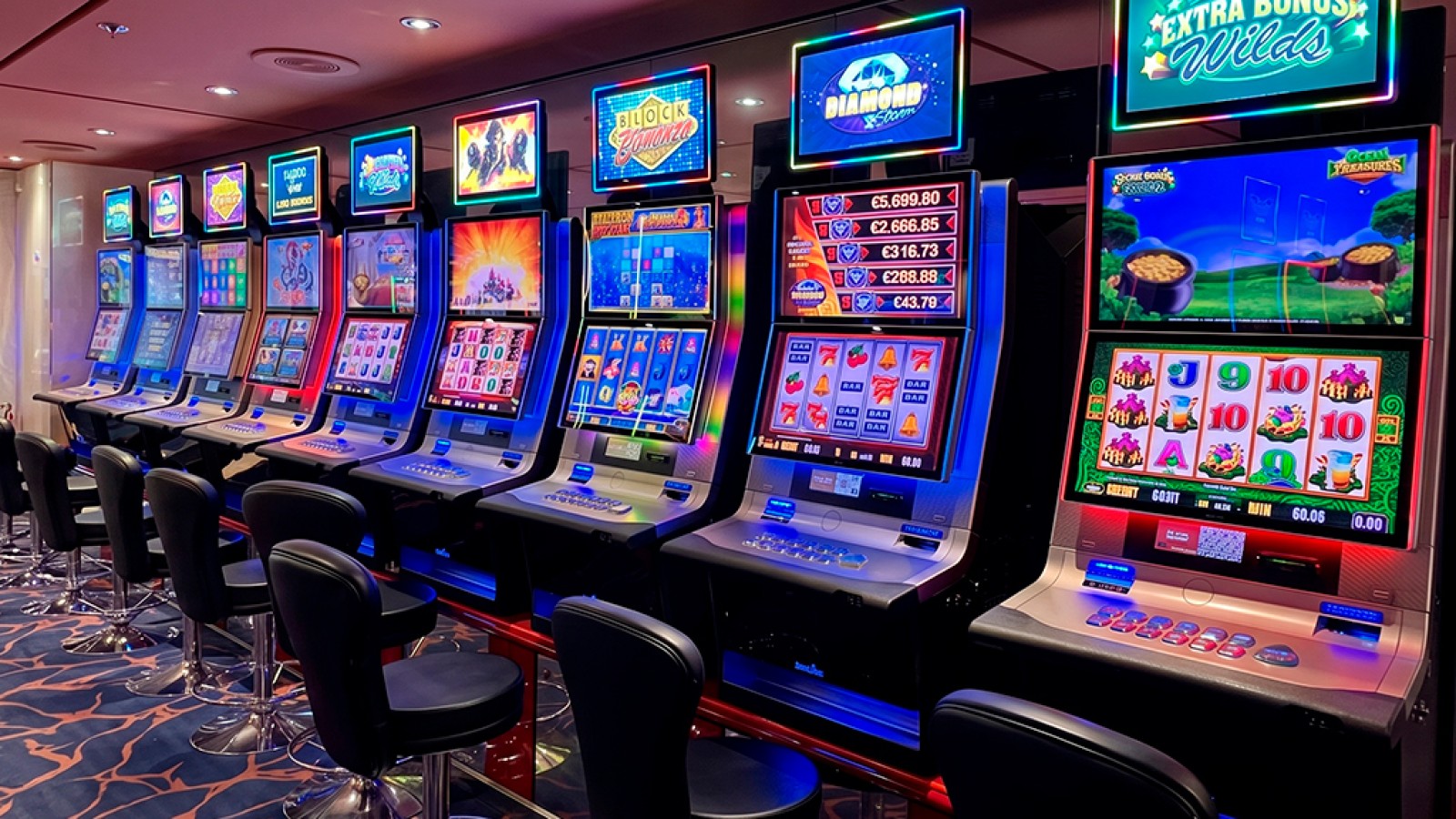
The landscape of the gambling sector has undergone a significant transformation following the entry into force of OUG nr. 7/2026. This measure, which delegates the authority to ban gambling activities in their localities to city councils, has generated a slow institutional response but with immediate financial and operational consequences.
Although the stipulated 60-day deadline for issuing resolutions has already expired, barely 90 of the approximately 3,100 city councils have taken action on the matter. From this small group, 35 have opted to permanently ban gambling in their jurisdictions.
Plummet in slot machine authorizations
The direct impact of these initial bans and the regulatory uncertainty is clearly reflected in the volume of operating equipment. Official data shows that during the period between February and May 2026, authorities only granted licenses for 2,337 slot machines. This figure pales in comparison to the 18,981 authorizations issued during the same four-month period the previous year.
On a general level, the market has contracted drastically: out of the 45,659 gaming machines that were legally authorized during 2025, only 29,014 currently remain in active commercial operation nationwide.
Heavy impact on tax and fee collection
As a natural consequence of the shutdown of equipment and the closure of gambling halls, public coffers have suffered a considerable cut. Budget revenues derived directly from taxes and fees on this industry have fallen from 485 million lei ($106.7 million dollars) in 2025 to just 300 million lei ($66 million dollars) for the 2026 fiscal year.
Faced with this scenario of shifting power towards local authorities, the National Gambling Office has been left in a limited position; although the entity can continue to offer technical support to municipalities that require it, it no longer has the power to adopt regulatory measures. The government's decision to decentralize regulation has completely reconfigured the map of this industry, and its economic effects are already being strongly felt in the State's accounts.
Categoría:Legislation
Tags: Sin tags
País: Romania
Región: EMEA




Event
iGaming tech leader Cristina Turbatu commends ICE Barcelona's vision for Hall 7
Tuesday 20 Oct 2026 / 12:00
CGA Showcases Canada’s Competitive Edge at ICE Barcelona
Tuesday 13 Oct 2026 / 12:00
ICE Barcelona Hosts WorldGaming-Backed Nineball Championship in 2027
Tuesday 06 Oct 2026 / 12:00
SUSCRIBIRSE
Para suscribirse a nuestro newsletter, complete sus datos
Reciba todo el contenido más reciente en su correo electrónico varias veces al mes.