How Britain’s Gaming Duty Affects Online Gambling Operators
Friday 14 de August 2026 / 12:00
⏱ 3 min read
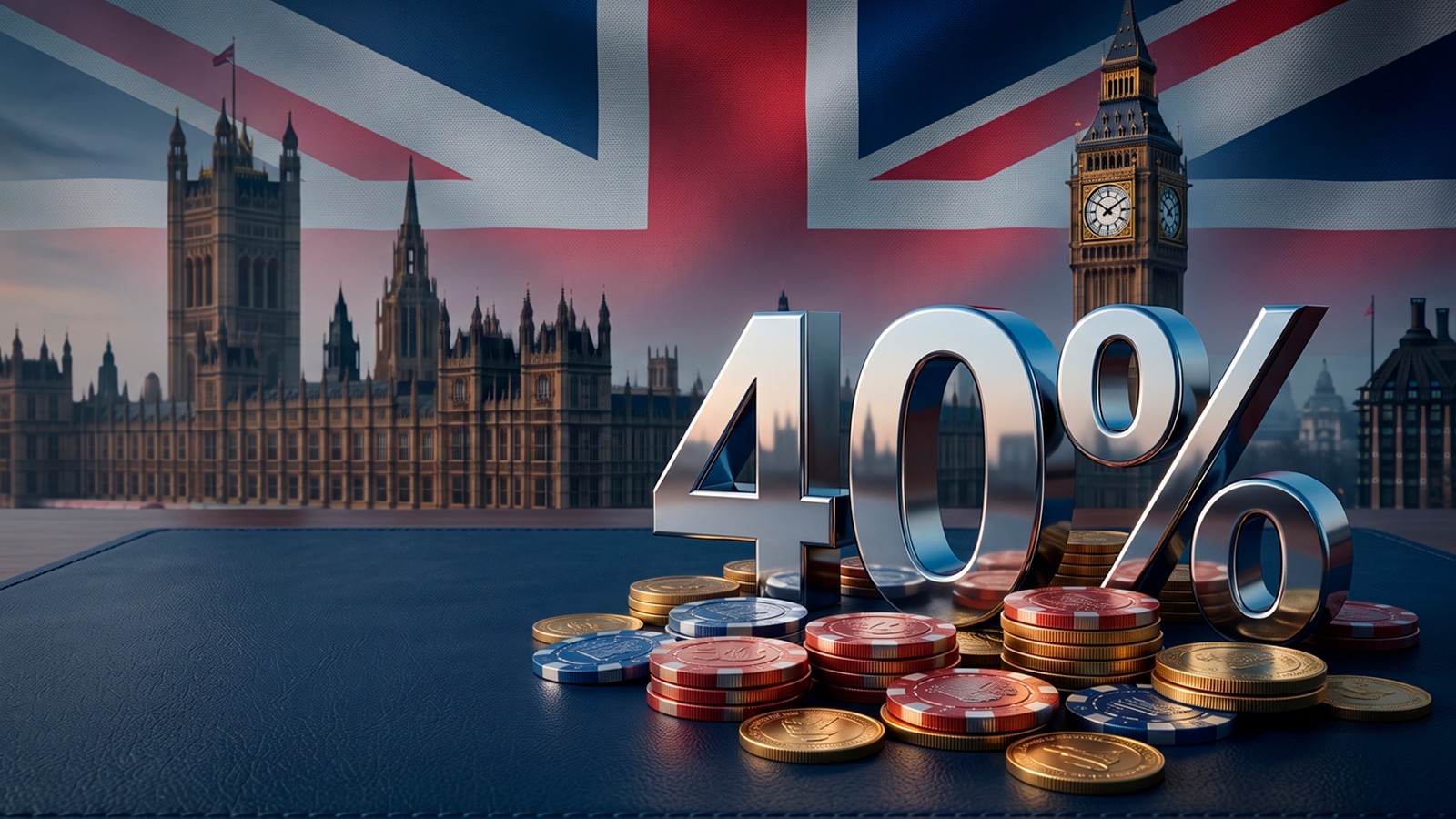
(London).- The UK’s April 2026 Remote Gaming Duty hike to 40% hit UK-focused operators like Evoke PLC hard. However, because the tax strictly targets license holders, companies further down the supply chain are largely shielded from the cost.
The duty follows the license, not the software
Remote Gaming Duty is charged on gross gaming yield — stakes minus winnings paid — and liability follows the customer’s location, not the operator’s domicile. A company serving British players owes it wherever it is incorporated, just like other operators in the market. A software vendor supplying that company does not.
That matters because a modern online casino is largely assembled from purchased parts. Game content, live dealer studios, payment orchestration and the player account platform are typically licensed from third parties charging a commission on operator revenue. When duty rises, the license holder absorbs it and the supplier’s invoice is unchanged.
HMRC’s policy paper on the changes sets out the package: remote gaming to 40% from April 2026, a new 25% remote betting rate from April 2027 with UK horse-racing held at 15%, and bingo duty abolished. The Treasury’s consultation response values the reforms at over £1 billion a year and states the reasoning without hedging — remote gaming is judged to carry lower operating costs and greater harm, and the steeper rate is meant to discourage operators from pushing customers toward those products.
The base is large enough for the arithmetic to bite: Gambling Commission official statistics put remote casino gross gambling yield at £1.5 billion for October to December 2025 alone.
Brazil prices the entry ticket instead
Brazil reached for a different instrument. Its regulated market opened on January 1, 2025 under the Secretariat of Prizes and Betting, and the framework set by Law 14,790 of 2023 carries a one-off federal license fee of R$30 million covering five years and up to three brands. The levy on gross gaming revenue began at 12% and, under legislation signed at the end of 2025, moves to 13% this year, 14% in 2027 and 15% from 2028.
The secretariat’s mid-year review of the market recorded 17.7 million Brazilians betting with authorized operators, more than 15,000 illegal sites taken down in cooperation with the telecoms regulator, and roughly R$3.8 billion in federal tax collected from betting companies over six months.
A R$30 million entry fee settles the build-versus-buy question before a single wager is placed. Operators facing that outlay — alongside local incorporation, in-country servers, segregated player funds and biometric identity checks against the CPF register — have little appetite to fund a platform build as well. Most procure a turnkey casino solution and point their capital at licensing and player acquisition instead. Fiscal policy aimed squarely at operators ends up routing spending to vendors.
Suppliers are insulated, not immune
Evolution AB, the largest supplier of live casino content, shows both halves. Its 2025 year-end report put fourth-quarter net revenue at €514.2 million across roughly 870 operator customers, at an EBITDA margin in the mid-60s — figures no licensed operator in a 40% duty market will approach. Yet that revenue was down 3.7% year on year, with European weakness attributed partly to falling channelization as players drift toward unlicensed sites the company declines to supply.
Commission revenue is a claim on operator turnover. If duty compresses operator margins enough to force exits or cut promotional budgets, the supplier’s base contracts too — one step behind, less sharply, but in the same direction.
Compliance turns into product specification
At 40%, the cost of a reporting error scales with the rate. Geolocation accuracy, duty period allocation and player identity records stop being back-office housekeeping and become criteria a platform is bought or rejected on. Brazil’s rules push the same way: prepaid instruments, PIX and debit cards only, no credit or crypto.
As Foreign Policy Journal reported this month, a survey found 68% of British bettors believe bookmakers use anti-money-laundering checks as a pretext to delay or deny payouts — a trust problem stacked on a tax problem, and one landing on the licensed operator rather than the vendor.
Two governments set out to raise revenue from gambling and, in the process, rewrote the industry’s cost structure. The license became the expensive, taxable, politically exposed asset. The software behind it became the cheaper, more portable and more profitable one.
Firms holding licenses across several jurisdictions while building their own technology now carry the heavy end of both. Whether finance ministries meant to advantage vendors over operators is doubtful; the incentive they created points that way regardless.
Categoría:Online Games
Tags: Sin tags
País: United Kingdom
Región: EMEA




Event

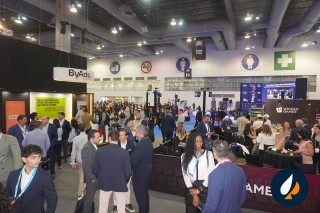

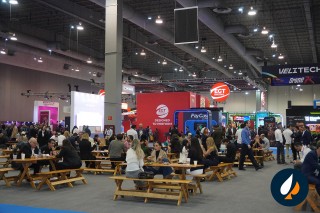


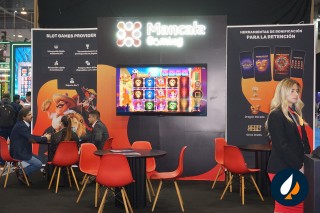
SiGMA North America 2026
01 de September 2026
LatAm Regulators Discussed Illegal Gambling and Innovation at SiGMA North America
(Mexico City, SoloAzar Exclusive).- The panel "The Red Pen Forum: Regulators Respond to the Industry," held during SiGMA North America 2026, brought together representatives from Uruguay, Argentina, Puerto Rico, and Honduras to analyze regulatory challenges, digital transformation, illegal gambling, and the need to adapt lotteries for new generations. The conference was moderated by Rodrigo Cigliutti, Executive Director of CIBELAE (Ibero-American Corporation of State Lotteries and Betting), and featured the participation of Marcelo Visconti, National Director of Lotteries and Quinielas of Uruguay; Carlos Moyano, President of IAFAS Entre Ríos, Argentina; Heidi Hernández Olivo, Deputy Secretary of the Puerto Rico Lottery; and Lissa Mencía, General Director of Lottery Operations and Games at Loto Honduras.
Monday 28 Sep 2026 / 12:00
SiGMA North America Addressed Crisis Management in iGaming
(Mexico, SoloAzar Exclusive).- During SiGMA North America 2026, Rosa Ochoa, founder of the Blue Global Gaming platform and strategic advisor for gaming operators; Iliana María Pineda Echeverri, Chief Legal & Compliance Officer at Wplay.co; Iraid Rosales, Country Manager Mexico at Amusnet; and Elizabeth Maya Cano, Executive President of CORNAZAR, analyzed the key factors in managing crisis situations within the iGaming industry, with a special focus on transparency, communication, technology, and preparation.
Friday 25 Sep 2026 / 12:00
Affiliates and Acquisition: Keys to Regulated Markets in North America
(Mexico City, SoloAzar Exclusive).- During SiGMA North America 2026, Cristopher Guzmán Reyes, Head of Affiliates at Logrand Entertainment Group; Guga Júnior, influencer and slots expert at Scalar Partners; Andrés Gómez, Head of Latin America Go-to-Market Strategy at Admattic; Yambot Aguilera, Gaming and Finance Sales Director at Google; and Paula Gabriel Jiménez, Advertising Client Growth Director for Microsoft at Aleph, analyzed the state and provincial affiliate ecosystem in North America, as well as the acquisition challenges in regulated markets.
Thursday 24 Sep 2026 / 12:00
SUSCRIBIRSE
Para suscribirse a nuestro newsletter, complete sus datos
Reciba todo el contenido más reciente en su correo electrónico varias veces al mes.