Investigation Reveals Slot Machine Disparities in Finland's Regions
Tuesday 21 de July 2026 / 12:00
⏱ 3 min read
(Helsinki).- A new investigation has reignited debate over Finland’s gambling monopoly after revealing that Veikkaus’ land-based slot machines remain disproportionately concentrated in lower-income regions, despite years of criticism and ongoing gambling reform. While the state-owned operator denies that socioeconomic factors influence machine placement, the findings have raised fresh questions about the effectiveness of Finland’s responsible gambling strategy ahead of the country’s regulated market opening in 2027.
Study Highlights Uneven Distribution of Gaming Machines
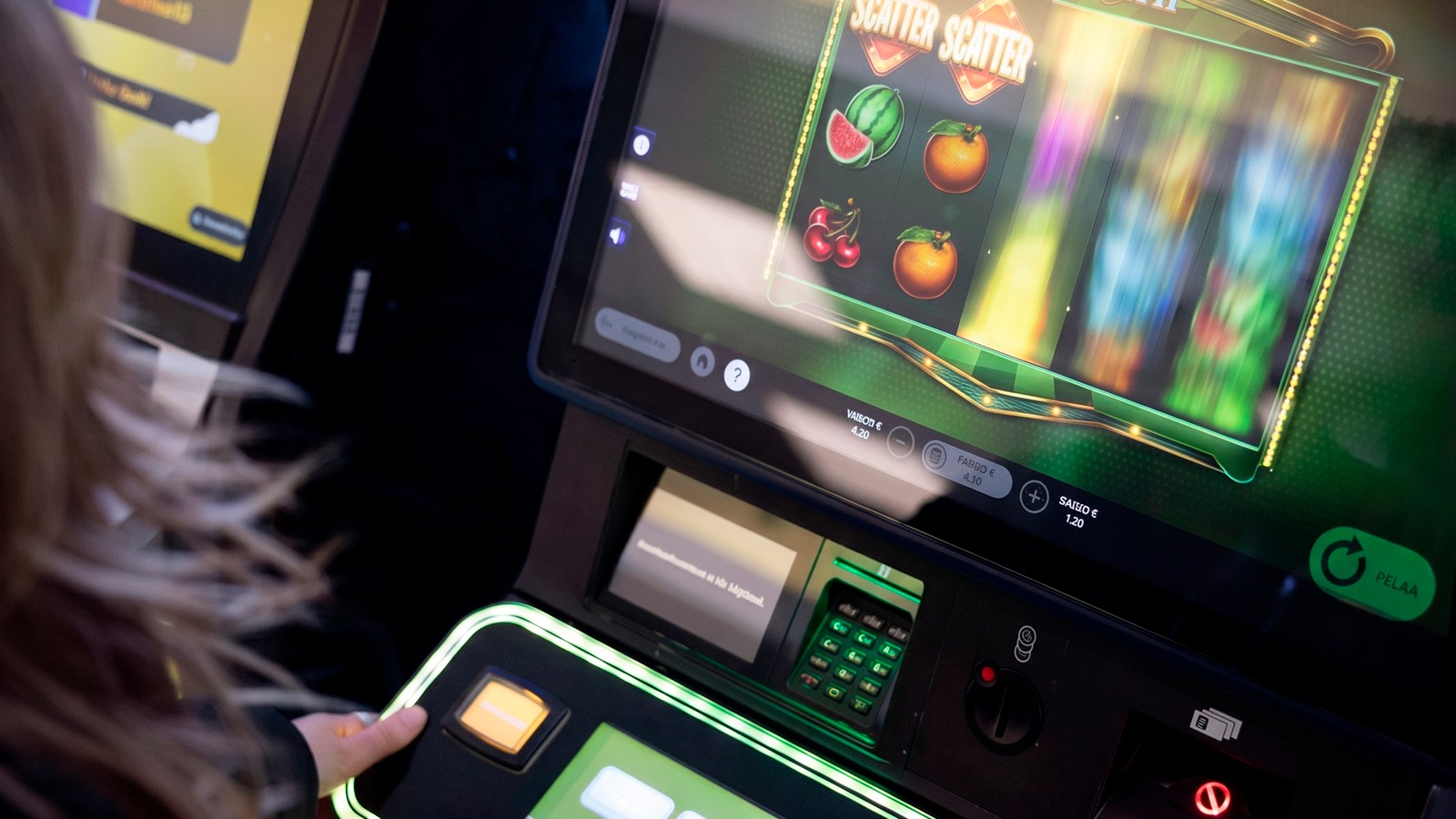
According to an investigation by Iltalehti, Veikkaus’ electronic gaming machines are significantly more common in Finland’s economically disadvantaged regions, including Lapland and Eastern Finland.
The analysis found a clear correlation between regional income levels and slot machine density: the lower the average disposable income, the higher the number of gaming machines per capita.
In Lapland, the region with the highest concentration, there are nearly two slot machines for every 1,000 residents—more than double the ratio recorded in Ostrobothnia, where income levels are comparatively higher and gaming machines are the least common.
Although Veikkaus has reduced its retail slot machine network from approximately 18,000 machines in 2019 to around 7,800 in 2025, critics argue that the remaining network continues to be concentrated in vulnerable communities.
Urban Data Reflects Similar Pattern
The investigation also examined the distribution of machines at the neighborhood level.
Turku city center recorded the highest number of Veikkaus gaming machines, with 67 units, followed by downtown Joensuu with 62. Helsinki’s Kontula and Mellunmäki districts ranked third with 52 machines.
By contrast, affluent Helsinki neighborhoods such as Eira and Punavuori did not appear among the country's 50 areas with the highest machine density.
Income data further illustrates the disparity. Annual disposable income in Eira averages approximately €48,000, while residents of Kontula average around €23,500, less than half that amount.
Veikkaus Rejects Claims of Income-Based Placement
Veikkaus maintains that its machine placement strategy is based on operational rather than socioeconomic considerations.
"Veikkaus does not place gaming machines based on socioeconomic factors or regional income levels," said Sina Hentunen, the company's Director responsible for casino games, scratch cards and gaming arcades.
According to Hentunen, the primary criteria include the suitability of retail locations, customer traffic, effective supervision and the ability to implement mandatory player identification and responsible gambling measures.
"Regional differences in machine numbers are largely explained by the service network and the types of commercial locations available in different parts of Finland, not by regional income levels," Hentunen said.
Previous Research Supports Similar Findings
The latest investigation aligns with several earlier studies.
A 2018 analysis by Seura concluded that slot machines were more frequently located in areas with lower income levels, lower educational attainment and higher unemployment.
More recently, a 2024 study by the Finnish Institute for Health and Welfare (THL) found that the widespread placement of gaming machines in everyday retail environments increases gambling-related harm, with the highest gambling losses occurring in Finland's most deprived communities.
Retail Slot Machines Remain a Key Gambling Policy Issue
The findings arrive as Finland prepares to introduce a competitive licensing framework for online gambling in July 2027, while allowing Veikkaus to retain exclusive rights over land-based slot machines.
Industry observers note that this has intensified discussions about whether the monopoly model has adequately fulfilled its responsible gambling mandate.
Although mandatory player identification has been implemented across all Veikkaus gaming machines and the overall retail network has been significantly reduced, concerns remain over the visibility and accessibility of electronic gaming machines in supermarkets, kiosks and other everyday locations.
Gambling Activity Shifts Online
Veikkaus acknowledges that gambling behavior in Finland is increasingly moving toward digital channels.
Approximately 2.5 million Finns participated in gambling activities in 2023, while overall participation has declined from nearly 80% of the population in 2019 to around 70% last year.
According to Hentunen, online gambling has become a more significant driver of gambling-related harm, reducing the relative impact of physical slot machines since 2018.
The operator stated that it continues to review the size and location of its retail machine network as part of its regular business planning, taking into account responsible gambling objectives, customer demand, market developments and the implementation of Finland’s new gambling system in 2027.
As the country advances toward market liberalization, the role of retail slot machines within the monopoly system is expected to remain one of the most closely watched issues in Finland’s evolving gambling regulation.
Categoría:Others
Tags: Sin tags
País: Finland
Región: EMEA




Event

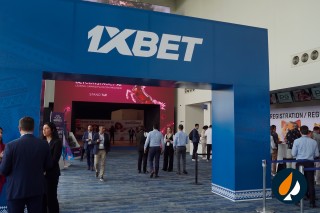

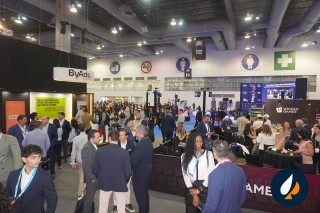
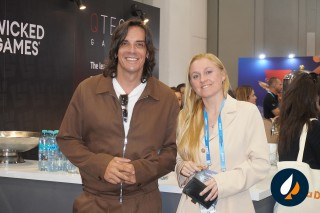
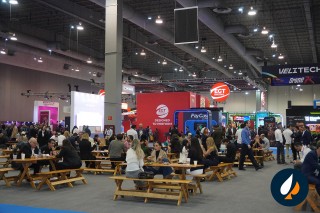
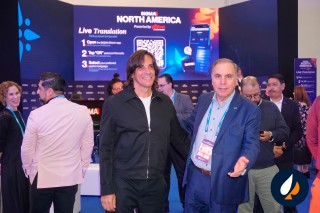

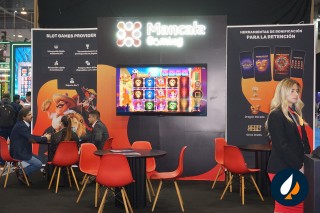
SiGMA North America 2026
01 de September 2026
CP Games at SiGMA North America: Localization, Integration, and Regional Growth
(Mexico City, SoloAzar Exclusive).- Following a successful showcase at SiGMA North America, Caio Ruiz, Head of Growth and Strategic Partnership at CP Games, reflects on the event's key takeaways. He discusses the critical need for localized strategies across the Americas, the importance of flexible technical integrations, and the company's next steps in navigating the diverse gaming landscapes of LatAm and North America.
Tuesday 22 Sep 2026 / 12:00
"Our focus for growth is in Mexico and the rest of LatAm", Alberto Alfieri, Co-Founder of Blokotech
(Mexico City, SoloAzar Exclusive).- Following their success at SiGMA North America—where they secured the Best Casino Platform 2026 award—Blokotech's co-founder discusses growth opportunities in Mexico and the broader region. He also highlights the platform's latest AI-driven innovations and outlines the next phases of the company's expansion strategy.
Tuesday 22 Sep 2026 / 12:00
SiGMA North America Examines the VIP Revenue Paradox
(Mexico City, SoloAzar Exclusive).- At SiGMA North America 2026 in Mexico City, the conference “The VIP Paradox: Emotional Intelligence vs. Revenue Pressure” brought together Beatriz Melges, Regional Director at BetConstruct AI; Rodrigo Ripol, Business Development Officer at AHIS; Erick Sapien, Country Manager at BC.GAME; and Thomas Carvalhaes, Founder and CEO of TC iGaming Advisors LATAM, to examine the balance between VIP management, revenue generation, player protection and emotional intelligence.
Tuesday 22 Sep 2026 / 12:00
SUSCRIBIRSE
Para suscribirse a nuestro newsletter, complete sus datos
Reciba todo el contenido más reciente en su correo electrónico varias veces al mes.