The world’s top gaming hub: A special report from Macau
Wednesday 30 de October 2024 / 12:00
⏱ 2 min read
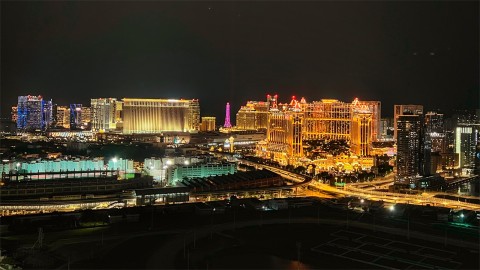
(Macau).- Throughout this special report, we have highlighted the PRC’s ability, over the past 75 years, to demonstrate pragmatism (in contrast to the expected ideological dogmatism) and adapt in adverse contexts. Take, for instance, the situation with games of chance in Macau.
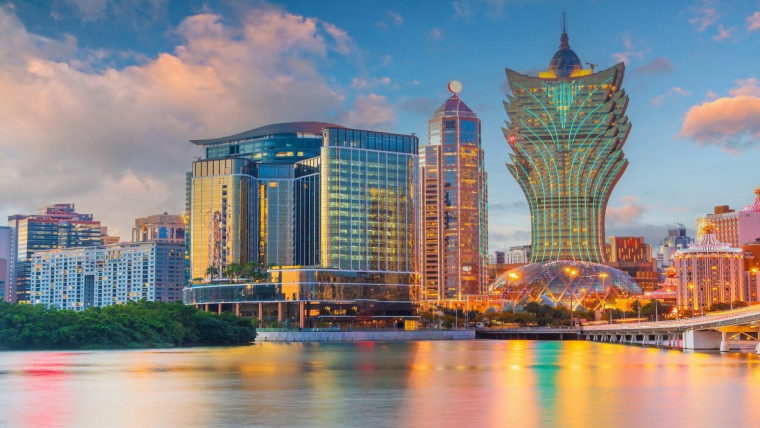
Until 1999, gambling decisions in Macau were made by the Portuguese administration. However, historians note that during the handover negotiations and the meetings of the so-called Liaison Group, there was no significant Chinese opposition to maintaining the status quo from 2000 onwards.
There are two types of countries that prohibit gambling: those that do so for religious reasons (generally Muslim countries) and those driven by ideological reasons. In the latter group, China clearly stands out. For Beijing, gambling is seen as a kind of enemy. It can lead to crime, addiction, and family disintegration (everyone in China knows a story about an ancestor or neighbour who got into trouble with gambling) or pose risks to political control. In addition to being seen as potentially destabilising, gambling activities can contribute to money laundering and corruption, one of Xi Jinping’s major concerns.
In what is one of the great contemporary ironies—and yet another testament to China’s ability to ‘bend without breaking’—the PRC not only agreed to maintain gambling in Macau after 1999 but even to enhance it, with the liberalisation authorised by Beijing in 2001.The results of this gamble were that by 2006 [the first casino of the new era only opened in 2004], Macau surpassed the Las Vegas Strip to become the world’s largest gambling centre, as measured by total gambling revenue. At its peak, before the COVID-19 pandemic, Macau generated approximately seven times more revenue than Las Vegas. In 2019, for example, Macau raised around USD 36 billion, compared to the Nevada city’s USD 6.6 billion.
The explanation for these staggering numbers lies in Chinese citizens’ appetite for gambling—even if it’s just mahjong. It is therefore no surprise that the overwhelming majority of customers at Macau’s large casinos come from the mainland. Only recently, spurred on by the pandemic’s impact on tourist traffic, have the Macau authorities—under pressure from top PRC officials—begun to speak about diversifying revenue streams and reducing reliance on gambling. While the economy will continue to be tourism-based, there are now efforts to explore alternatives such as finance and technology.
In other words, while the PRC disapproves of gambling, Macau remains an exception. This is why, over the past 15 years, some of the largest casinos in the world have been built in Macau, most notably the Venetian Macao. Since 2007, it has held the title of the world’s largest casino, with a total gaming floor area of approximately 51,000 square metres, 3,400 slot machines, and more than 800 gaming tables. It is also one of the most profitable.
Until 2049, it is highly likely that Macau will continue to be the largest gambling market in the world. However, what will happen after that is anyone’s guess. The last set of licences granted is valid for 10 years, meaning that nothing significant is expected to change before the end of 2032. Whatever the next steps may be, they will be scrutinised closely and will undoubtedly have consequences.
Categoría:Reports
Tags: Sin tags
País: Macao
Región: Asia




Event



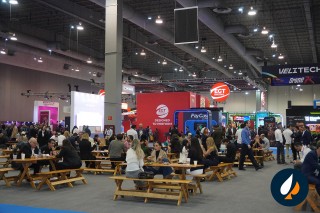

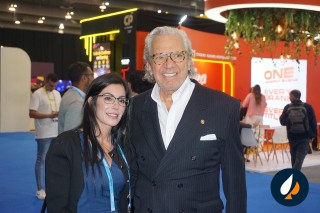
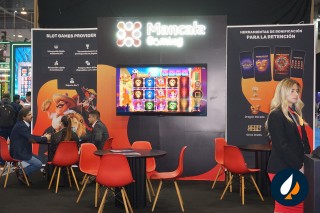
SiGMA North America 2026
01 de September 2026
LatAm Regulators Discussed Illegal Gambling and Innovation at SiGMA North America
(Mexico City, SoloAzar Exclusive).- The panel "The Red Pen Forum: Regulators Respond to the Industry," held during SiGMA North America 2026, brought together representatives from Uruguay, Argentina, Puerto Rico, and Honduras to analyze regulatory challenges, digital transformation, illegal gambling, and the need to adapt lotteries for new generations. The conference was moderated by Rodrigo Cigliutti, Executive Director of CIBELAE (Ibero-American Corporation of State Lotteries and Betting), and featured the participation of Marcelo Visconti, National Director of Lotteries and Quinielas of Uruguay; Carlos Moyano, President of IAFAS Entre Ríos, Argentina; Heidi Hernández Olivo, Deputy Secretary of the Puerto Rico Lottery; and Lissa Mencía, General Director of Lottery Operations and Games at Loto Honduras.
Monday 28 Sep 2026 / 12:00
SiGMA North America Addressed Crisis Management in iGaming
(Mexico, SoloAzar Exclusive).- During SiGMA North America 2026, Rosa Ochoa, founder of the Blue Global Gaming platform and strategic advisor for gaming operators; Iliana María Pineda Echeverri, Chief Legal & Compliance Officer at Wplay.co; Iraid Rosales, Country Manager Mexico at Amusnet; and Elizabeth Maya Cano, Executive President of CORNAZAR, analyzed the key factors in managing crisis situations within the iGaming industry, with a special focus on transparency, communication, technology, and preparation.
Friday 25 Sep 2026 / 12:00
Affiliates and Acquisition: Keys to Regulated Markets in North America
(Mexico City, SoloAzar Exclusive).- During SiGMA North America 2026, Cristopher Guzmán Reyes, Head of Affiliates at Logrand Entertainment Group; Guga Júnior, influencer and slots expert at Scalar Partners; Andrés Gómez, Head of Latin America Go-to-Market Strategy at Admattic; Yambot Aguilera, Gaming and Finance Sales Director at Google; and Paula Gabriel Jiménez, Advertising Client Growth Director for Microsoft at Aleph, analyzed the state and provincial affiliate ecosystem in North America, as well as the acquisition challenges in regulated markets.
Thursday 24 Sep 2026 / 12:00
SUSCRIBIRSE
Para suscribirse a nuestro newsletter, complete sus datos
Reciba todo el contenido más reciente en su correo electrónico varias veces al mes.