Interviews
Beyond the Final Whistle: Lessons from the FIFA World Cup 2026
2 minutos de lectura
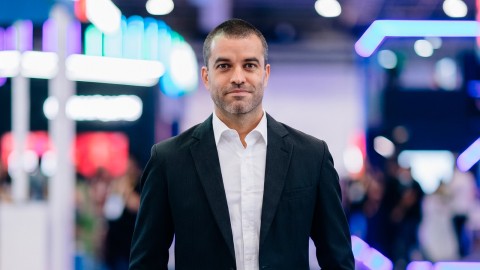
As the FIFA World Cup 2026 enters its final days, Matt Sahakian, iGaming consultant and advisor, shares his reflections on how the world's biggest sporting event extends far beyond the action on the pitch. In this opinion piece, he explores how the tournament has become a meeting point for sport, innovation, regulation and business, while highlighting the growing role of regulated sports betting markets across Latin America and football's unique ability to bring people together across cultures.
"We call it football, not soccer—and the numbers leave little room for debate." The FIFA World Cup reaches an audience of more than 5 billion throughout the tournament, while the Final alone attracts well over 1.5 billion viewers worldwide. By comparison, the Super Bowl—America's biggest sporting event—draws an estimated maximum global audience of around 200 million viewers. Different competitions, different formats, but one undeniable conclusion: football is the world's game.
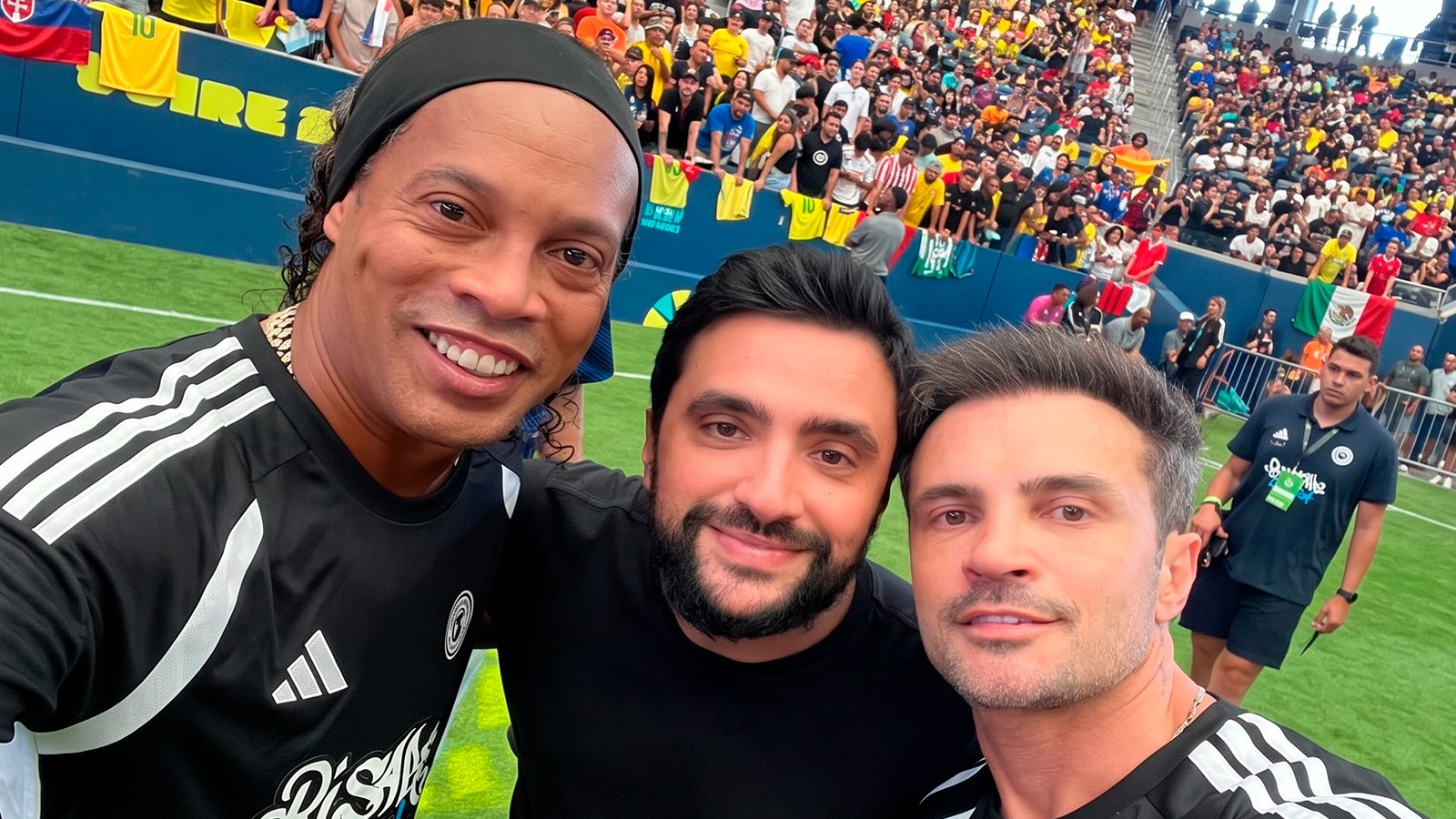
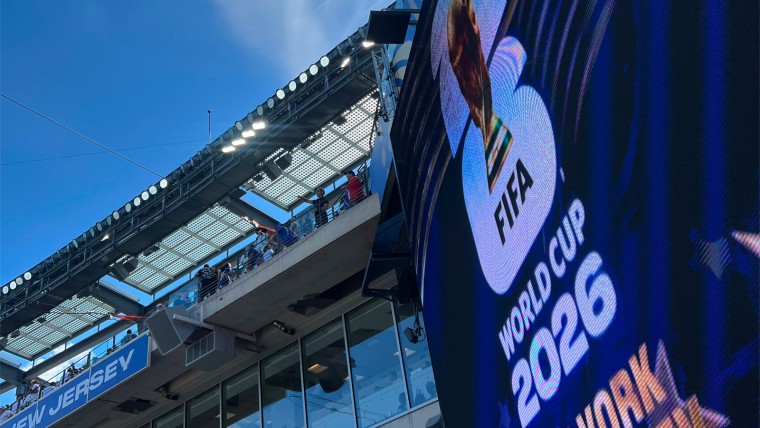
As the FIFA World Cup 2026 draws to a close, I find myself reflecting less on the scorelines and more on the privilege of experiencing it from inside the stadiums. Walking among supporters from every corner of the world, watching superstars like Kylian Mbappé perform live, reconnecting with football legends such as Ronaldinho, Ricardo Quaresma and Diego Forlán, and spending time interviewing Falcão—the greatest futsal player of all time—between Miami and New York reminded me that football's greatest strength is not limited to the ninety minutes on the pitch. It is its extraordinary ability to unite people who, outside the stadium, may have nothing else in common.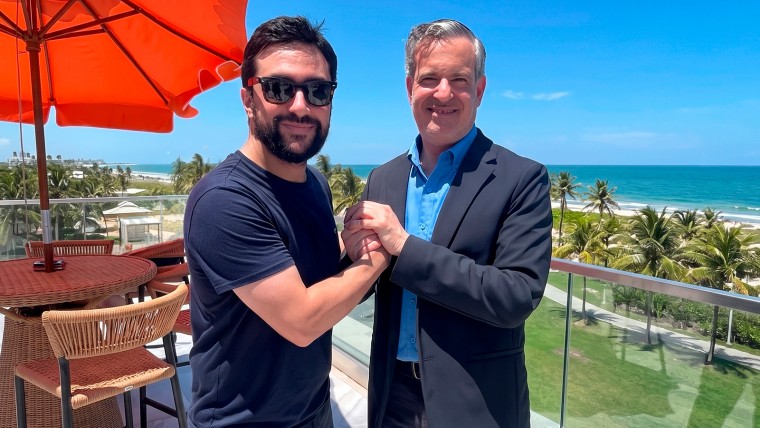
Watching the tournament from inside the stadiums also offered another perspective. Every match was surrounded by an ecosystem of technology, media, digital payments, fan engagement, sponsorships and entertainment operating at an unprecedented scale. Mega sporting events are no longer just sporting spectacles—they are economic platforms that continue generating value long after the final whistle.
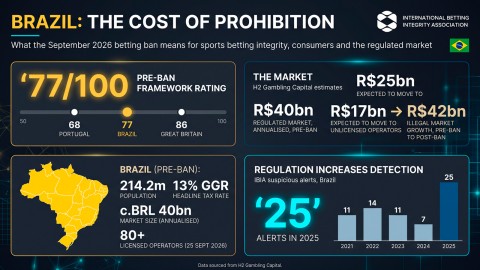
One of the clearest lessons from this World Cup is how closely football's global growth is now connected with the maturation of regulated sports betting and iGaming markets. Latin America, in particular, has entered a new era. Brazil experienced its first FIFA World Cup under a regulated federal betting framework, while Peru joined the tournament with its newly regulated market and Colombia continued to consolidate its position as one of the region's regulatory pioneers. Together, they illustrate a broader continental movement toward consumer protection, responsible gaming and transparent, sustainable regulation.
Throughout my conversations during the tournament, one message became increasingly clear: regulation is no longer perceived as a barrier to growth—it is becoming its foundation. Well-regulated markets attract investment, strengthen compliance, increase consumer confidence and redirect players away from illegal operators while generating significant public revenue. Brazil's case is particularly symbolic. As Latin America's largest economy and the spiritual home of "jogo bonito" football, the success of its regulated market extends far beyond its borders. Countries such as Chile and others still progressing through their own regulatory journeys are watching Brazil closely. The success of Brazil's regulatory model has the potential to become a benchmark for the entire continent, accelerating confidence, investment and regulatory progress across Latin America and beyond. For all of us working in the iGaming industry, that is a powerful source of motivation and responsibility.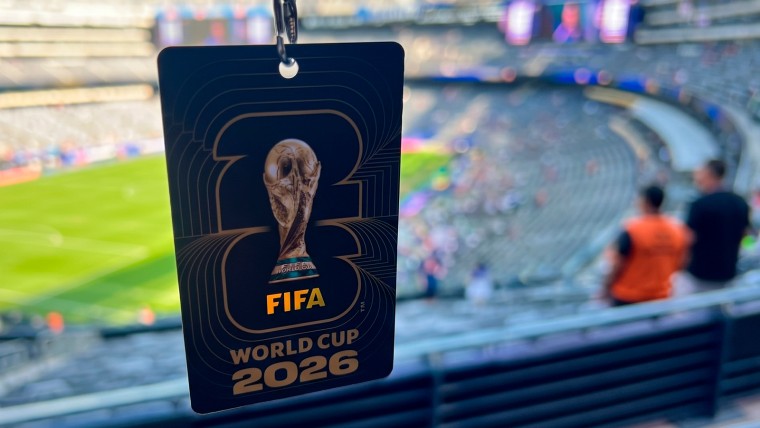
My biggest takeaway, however, wasn't commercial or technological—it was human. Whether speaking with football legends, industry leaders or supporters wearing different colours, everyone shared the same emotion. For a few weeks, nationality, language and politics faded into the background, replaced by a collective passion that transcended borders. Sport gives humanity something increasingly rare: a genuine sense of communion. It reminds us that, despite our differences, we are capable of celebrating, respecting and dreaming together.
I was reminded of this during the opening days of the tournament in Miami. As Miami Beach Mayor Steven Meiner told to me in front of the cameras of the world during the World Cup launch event on Ocean Drive, "The FIFA World Cup is uniting everyone. It's a message of peace and a message of hope." Those words stayed with me throughout the tournament.
Perhaps that is the greatest legacy of the FIFA World Cup 2026. Beyond the unforgettable goals, historic matches and economic opportunities, it reminded us that sport remains one of humanity's most powerful common languages. In a world that often feels increasingly divided, football continues to prove that competition can elevate rather than divide us, inspiring respect, hope and a shared sense of purpose. If there is one lesson to carry beyond the final whistle, it is that the noble values of sport still have the power to bring the world together—and perhaps, in 2026, that was the greatest victory of all.
*Matt Sahakian is an iGaming consultant and advisor specializing in business development, strategic sales and international market expansion. With six years of experience working alongside leading providers and operators, he has helped adapt platforms, products and strategies to the unique dynamics of Brazil and Latin America. Leveraging his multilingual and multicultural background, Sahakian focuses on connecting the region with global markets while driving growth, innovation and long-term success across the iGaming industry.
Categories: Analysis
Tags: No Tags
Region: Europa
Sign Up
To subscribe to our newsletter, please fill in your details
Receive all the latest content in your email several times a month.