Interviews
CP Games at SiGMA North America: Localization, Integration, and Regional Growth
2 minutos de lectura
(Mexico City, SoloAzar Exclusive).- Following a successful showcase at SiGMA North America, Caio Ruiz, Head of Growth and Strategic Partnership at CP Games, reflects on the event's key takeaways. He discusses the critical need for localized strategies across the Americas, the importance of flexible technical integrations, and the company's next steps in navigating the diverse gaming landscapes of LatAm and North America.
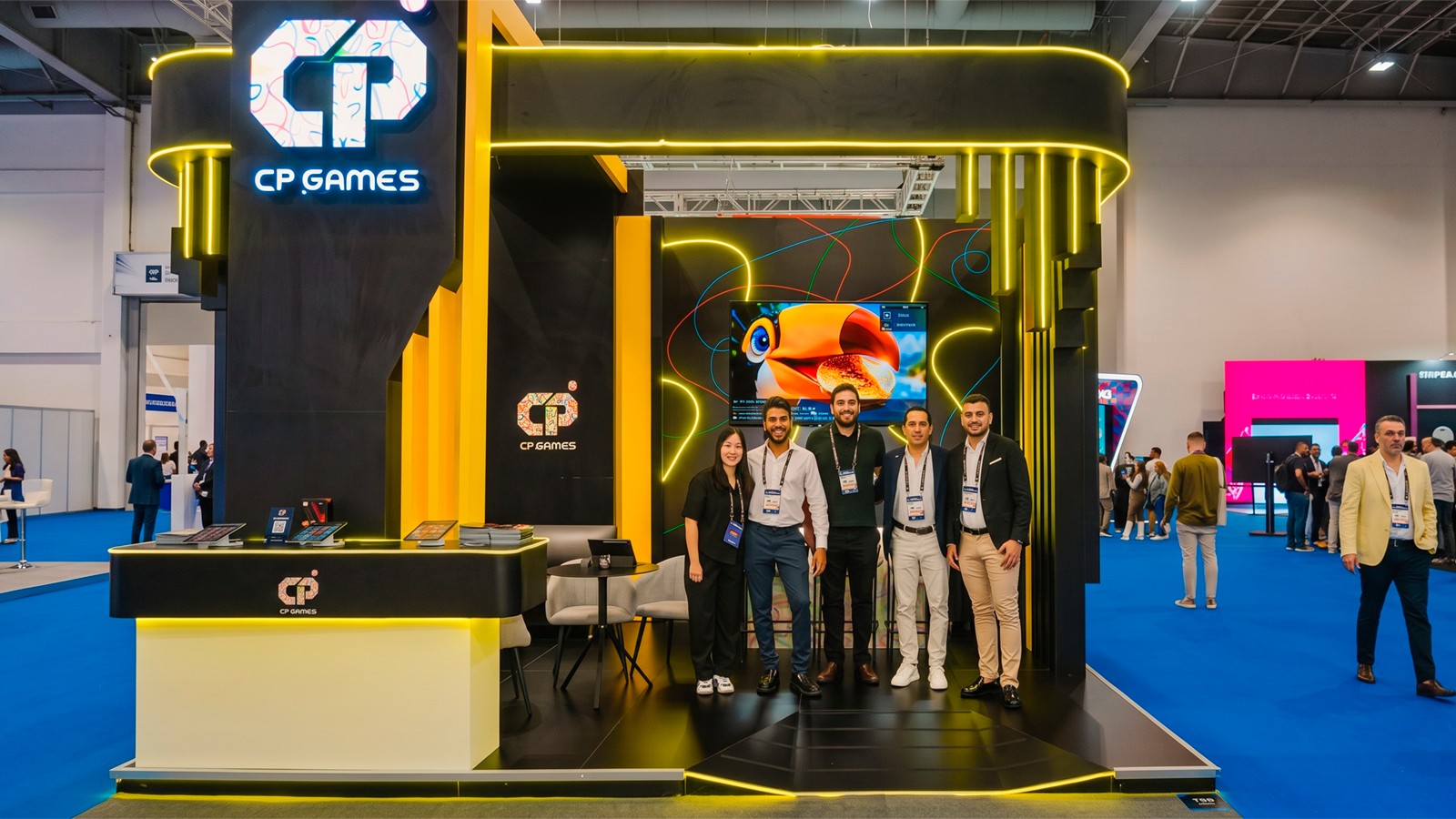
Valuable takeaway for CP Games at SIGMA North America
In Q&A with SoloAzar, Caio Ruiz described the firm's experience at the show: "SiGMA North America gave CP Games a valuable opportunity to speak with operators, aggregators and platform partners from both regions in one place. We were able to introduce CP Games’ content and hear directly what different partners need from a game provider. The most useful takeaway was the importance of treating each market on its own terms: the right content, technical setup and market requirements can vary considerably, even between neighbouring countries. Those conversations will help us decide where to focus our next discussions and product planning.
Mexico City turned out to be the right place for this conversation. The room was genuinely mixed: operators focused in Mexico, groups working across several Latin American countries, and partners with an eye on the US and Canada. That mix made our most valuable takeaway hard to miss: “the Americas” is not one market, and it isn’t even two.
Brazil has operated under a federal regulatory framework since January 2025, Mexico works under a very different licensing model, and North America is still a patchwork of state and provincial rules. Player habits follow the same pattern. What works in a Brazilian lobby on a Friday night is not automatically what works in Monterrey or Toronto."
For a game provider, that changes the question partners ask. It’s less about “how many titles do you have?” and more about “which of them fit my players, my platform and my regulator?” That is the question we brought home from SiGMA, and it’s shaping our priorities for the coming months.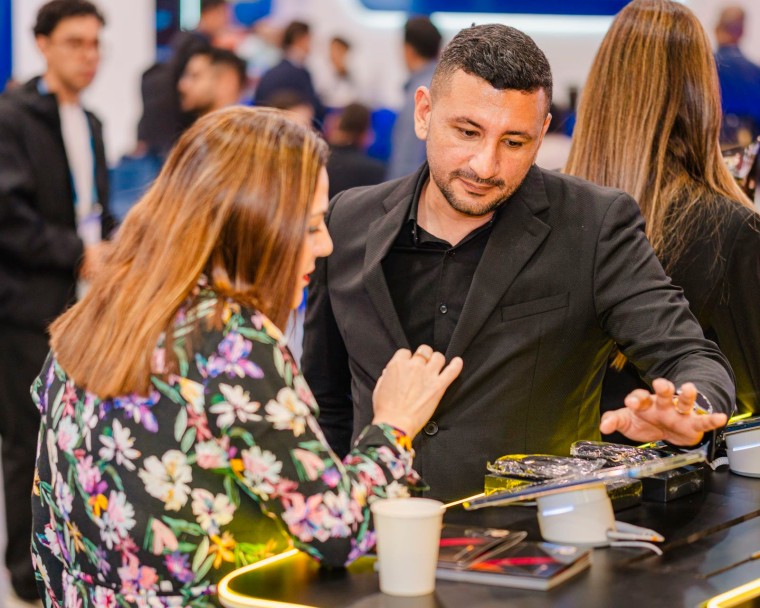
Driving Practical Business Conversations and Technical Execution
“The most relevant conversations were with operators and aggregators interested in adding game content, and with platform teams discussing how new titles could be integrated into their existing systems. We spoke about the types of games their players respond to, the markets they serve and what an integration would require on each side. These are practical starting points for follow-up discussions on content distribution and platform integration. We are assessing each opportunity with the partners involved rather than treating an initial meeting as a concluded deal.”
Calo Ruiz remarked that some of the best conversations started before the expo floor even opened. "The informal sessions in the days before the event gave us time to get to know people without a booth between us, and several of those chats turned into proper meetings later in the week, including with operators we had never worked with before.
On the floor, the discussions were more practical than a typical first meeting. Operators wanted to talk about what their players actually play, how long it takes to get a new game live and what the integration involves on their side. Aggregators and platform teams went straight to the technical path: API, wallet, certification and reporting. We see that as a good sign. It shows partners are thinking about execution, not just about adding another logo to their lobby."
Beyond general brand exposure, Ruiz affirmed: “We’re also being realistic. A good meeting in Mexico City is a starting point, not a deal. The work now is in the follow-up: understanding each partner’s roadmap, testing the fit and building agreements that make sense for both sides.”
Mexico's Strategic Role and Expanding Regional Growth
Mexico is increasingly acting as a bridge between the North American and LATAM markets. What potential do you see in Mexico and the broader region, and how does it fit into your company’s overall growth strategy?
"Mexico is an important market for us to understand because it brings together conversations with partners active in Mexico, elsewhere in Latin America and North America. For CP Games, the opportunity is to build on our experience in Latin America while learning what Mexican operators and players need specifically. Brazil remains a key market in our regional work, but we would not assume that the same games or commercial approach should be carried into Mexico unchanged. Our growth strategy is to work with local partners, assess each market’s requirements and use that feedback to guide content and integration priorities.
Mexico is interesting precisely because it sits between two worlds. Many of the companies active there also operate in the US, Central America or South America, so a conversation in Mexico often reaches well beyond the local market. It also has a large, mobile-first player base and a digital payments landscape that keeps evolving, and both have a direct impact on how quickly players adopt new games.
Our foundation is in Brazil, and Brazil remains central to what we do. It has taught us lessons that travel well: players respond to local references, to fast-paced formats and to games that run smoothly on an average smartphone. What doesn’t travel automatically is the specific content, the game math or the commercial model. Mexican players have their own culture, humour and habits, and we would rather learn them from local partners than assume them.
So our approach is step by step: work with operators who know the market, bring content that fits, learn from real performance data and adjust. That’s how Mexico fits into our wider strategy for the Americas, as a market to be earned rather than a copy-paste of Brazil."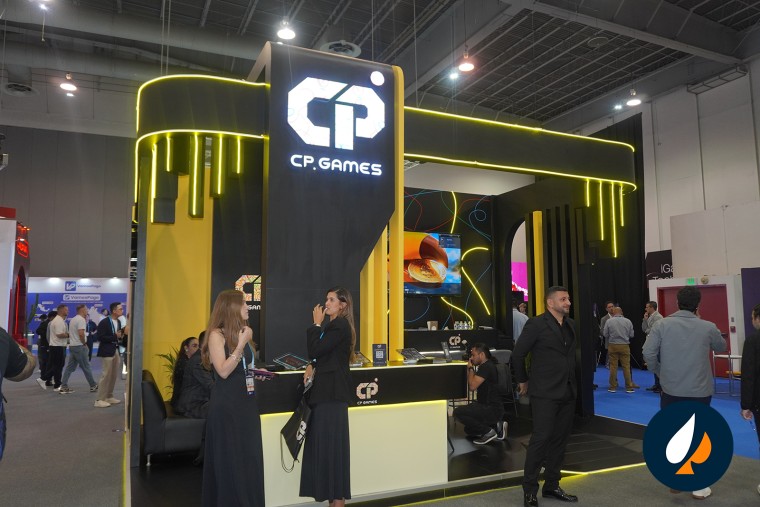
Showcasing Flexible Solutions and Tailored Slot Content
"Our discussions at the event focused primarily on CP Games’ slot content, alongside our crash games. We also introduced our API and reverse-integration options for operators and aggregation platforms.
Drawing on our experience in Latin America, we shared how we develop game content around local themes and player preferences. Our partners need games that appeal to their players and can be integrated into their existing platforms, rather than a single solution applied across every market. Through these discussions, we can identify the games and integration methods best suited to each partner instead of assuming that one title will appeal to an entire region.
Our slot portfolio was at the centre of most conversations, alongside our crash games, a format that has grown quickly across Latin America. We also gave partners a look at what’s coming on our roadmap over the next few months.
The topic that often caught people’s attention was integration. Partners can connect to CP Games through our API or through reverse integration, where we adapt to the platform they already use. For an operator or aggregator, that can mean less development work on their side and a faster route to having games live.
Behind all of this is a simple observation: different partners have different problems. Some want themes and features that feel local to their audience. Others care most about performance on mid-range phones and unstable connections, or about compatibility with their wallet and payment setup. Our job is to show that our portfolio and technology can adapt to those needs, instead of asking every operator to fit around a single product."
Strategic Next Steps Across the Americas
"Our immediate next step is to follow up with the operators, aggregators and platform teams we met, understand their market and technical requirements, and identify where our content is a good fit. We will continue developing our work in Brazil and evaluating opportunities in Mexico and other Latin American markets on a market-by-market basis. In North America, our focus is on learning from potential partners before deciding where to prioritise distribution. Across both regions, we are paying close attention to local player preferences and market requirements so that our roadmap responds to real partner feedback.
The first step is the least glamorous and the most important one: following up properly. That means sitting down with the operators, aggregators and platforms we met, understanding their technical and regulatory requirements, and agreeing where our content can genuinely add value.
Brazil remains our priority as the regulated market matures and operators become more selective about the content they offer. Mexico is the next market we want to understand in depth, and we’ll look at other Latin American countries one at a time rather than all at once. In North America, we’re in listening mode. The regulatory picture changes from state to state and province to province, so we’d rather learn from potential partners before committing to a distribution plan.
As for trends, we’re keeping a close eye on three: the continued growth of fast, mobile-first formats such as crash and instant games; the influence of local payment methods on how players engage; and the growing weight of compliance and responsible gaming in operators’ decisions. Providers that make life easier for operators on those fronts are the ones that will grow in the region," he concluded.
Categories: Events
Tags: SIGMA,
Region: Europa
Sign Up
To subscribe to our newsletter, please fill in your details
Receive all the latest content in your email several times a month.